


Creating Inclusive Classrooms: Moving Beyond Stereotypes to Support Autistic Students
I need to start with a confession of gratitude. My family has been incredibly fortunate. Adrián and Guille attend a school where the teachers and staff do not just see a diagnosis. They see Adrián, with his encyclopedic knowledge of trains and roads and his sudden, silly jokes. They see Guille, with his deep, observant eyes and his joyful, whole-body communication. They see their potential first, and they work with us as partners. It is a gift I do not take for granted for a single day.
Adrián has been at this school since he was three years old. Three. He walked through those doors as a tiny little person who already had so much to say, in his own unique way. And now, at twelve, he is getting ready for high school. I am excited for him. Genuinely, deeply excited. And also, if I am honest, a little anxious in the way that only a parent who has been held by something truly good can understand. Because leaving a school that has given us everything feels enormous. The teachers there did not just educate him. They helped shape who he is becoming.
The silver lining is this: Guillermo is still there. He has years ahead of him at that school, and knowing that brings me so much peace.
One of the things that tells me everything I need to know about our school is this: when I see their number come up on my phone, my first instinct is not dread. It is not that sinking feeling so many parents know. I know, with complete certainty, that if they are calling me, it is because they have genuinely exhausted every option they had. I am their last resort, not their first reaction. That is the kind of trust that took years to build. And it is everything.
But over the years, in online groups and late-night conversations, I have heard a different story. So many stories, in fact. Stories from parents whose hearts break a little each morning, sending their child into a classroom where they are seen as a problem to be managed, a stereotype to be fit into, or a mystery that is too complex to solve. I have heard these stories from parents everywhere, and I know that a child’s experience can depend so much on their location, their district, or even the single teacher they get that year.
That disparity, that gap between what is possible and what is happening for so many, is why this conversation matters. This is not about theory. It is about the real, daily life of our kids. Let us talk about moving beyond the stereotypes to see and support the whole, amazing child.
Peeling Off the Labels to See the Child
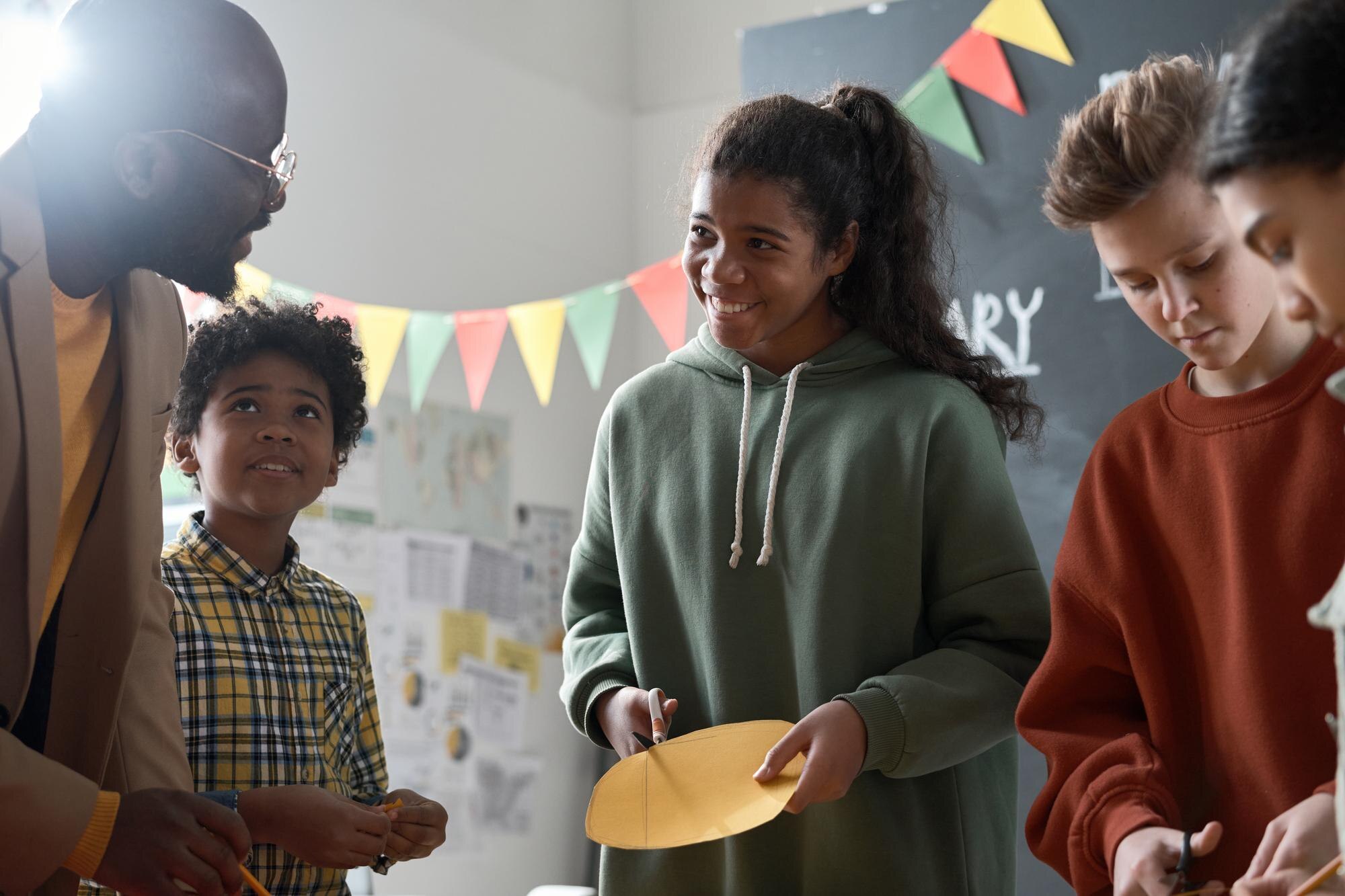
We have all heard the stereotypes. The math whiz with no social skills. The nonverbal child in their own world. The “low-functioning” versus “high-functioning” binary that tells us nothing about who a person actually is.
The Harm in a Single Story
Stereotypes are not just inaccurate. They are limiting. They tell our kids what they cannot do, and they tell educators where to set the bar. Moving beyond them means getting curious. It means asking: What are this child’s unique strengths? What does their communication look like? What brings them joy? It means trading the label for a learner’s profile.
Celebrating the Neurodiverse Garden
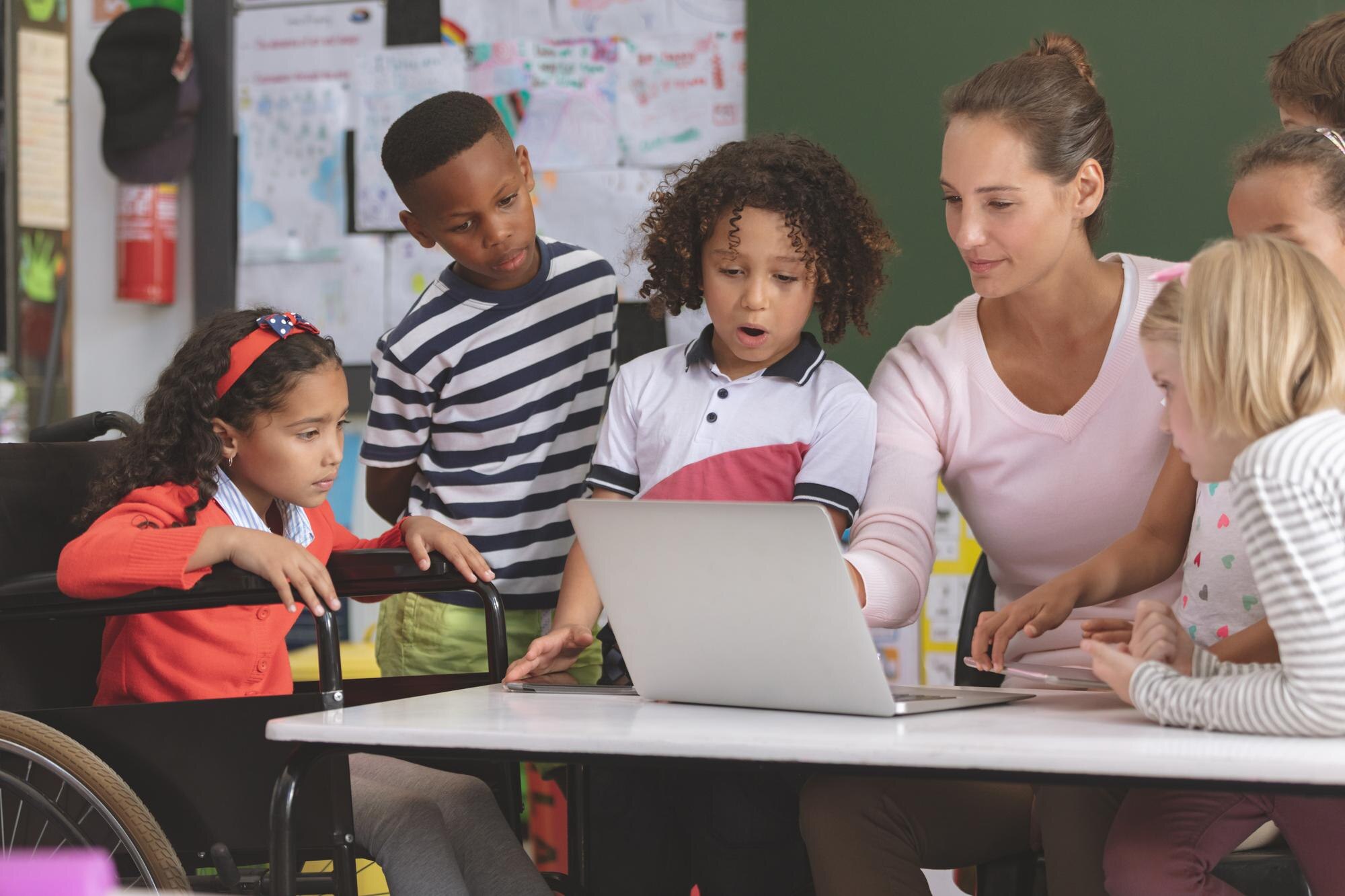
I love the metaphor of a neurodiverse garden. In a real garden, you would not get mad at an orchid for not being a sunflower. You would learn what the orchid needs, more humidity, indirect light, a specific kind of care, and you would be rewarded with a breathtaking, unique bloom.
Guille is my orchid. He communicates without many words, but his language of touch, gesture, and expression is profound. A classroom that embraces neurodiversity does not try to force him to be a sunflower. It appreciates his unique beauty and structures the soil so he can thrive. It understands that the goal is not to make him “normal,” but to help him grow into his fullest, most magnificent self. This shift in perspective, from fixing to nurturing, changes everything.
From Understanding to Action: Real Strategies That Work
So how do we turn this philosophy into a Monday morning practice? Here are some things I have seen work, both in my kids’ blessed classrooms and in stories shared by parents fighting for change.
Designing the Space for All Brains
Inclusion starts with the physical space. Think about a “quiet corner” not as a time-out spot, but as a recharge station, with noise-canceling headphones, a weighted lap pad, and soft lighting. It is a proactive tool, not a punishment.
Adrián’s teacher, Ms. Nuria, has the most thoughtful calm corner in the school. She built it with every student in mind, which gives it even more meaning. And Guillermo’s classroom with Mrs. Silvia and Mrs. Mayka goes one step further: the entire room is adapted to have sensory needs covered. Flexible seating. Visual schedules, pictures for Guille and his classmates, that are not accommodations for “special” kids but tools that reduce anxiety and increase independence for many kids. Not only Guillermo but even when Adrián’s class started using tools for transitions or the calm corner, the whole room got calmer. Not just him. Everyone.
The progress we have witnessed over the years has been real and steady and sometimes breathtaking. That does not happen by accident. It happens because the people in that building showed up every single day with intention.
Teaching Empathy, Not Just Tolerance
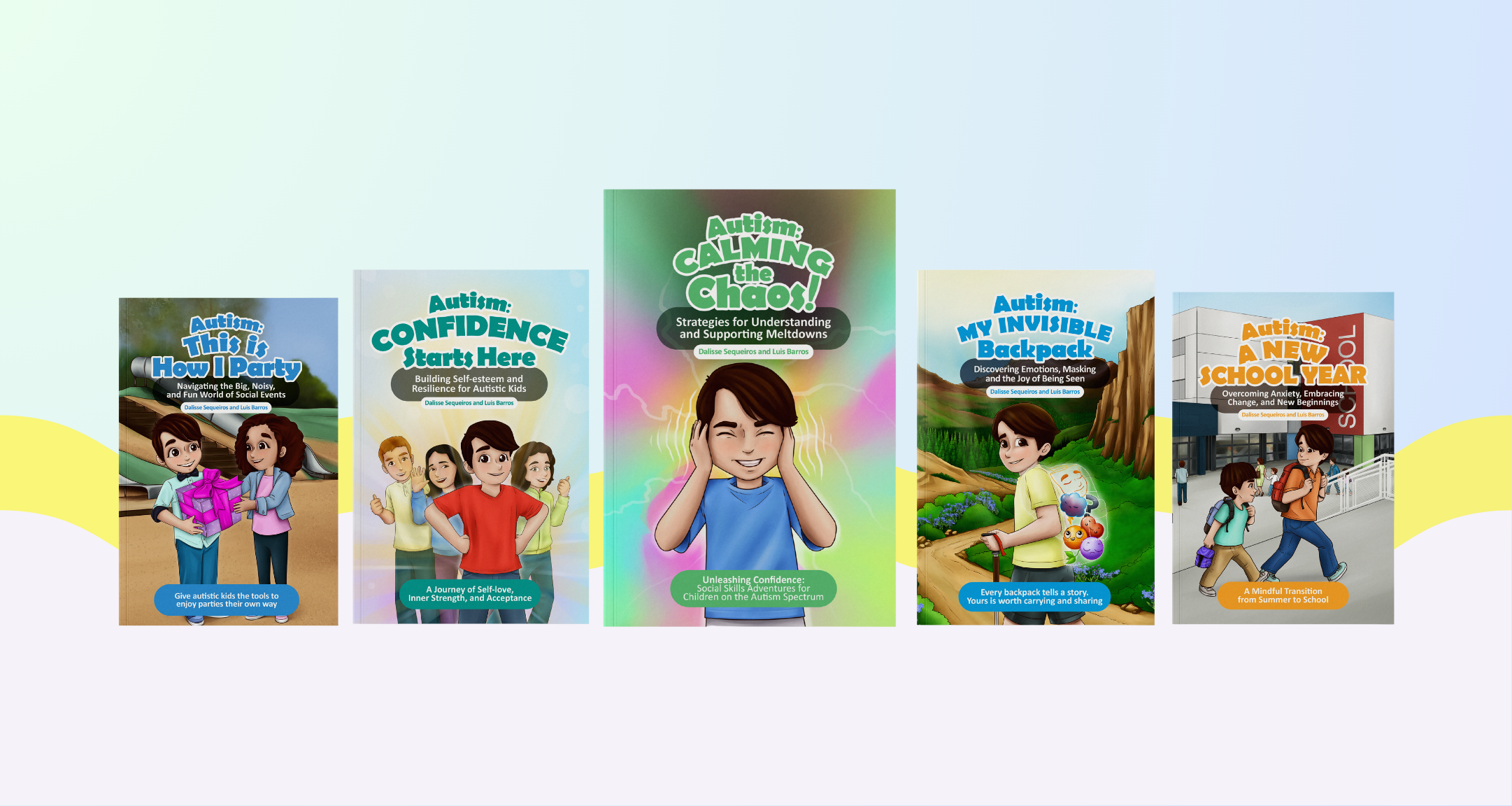
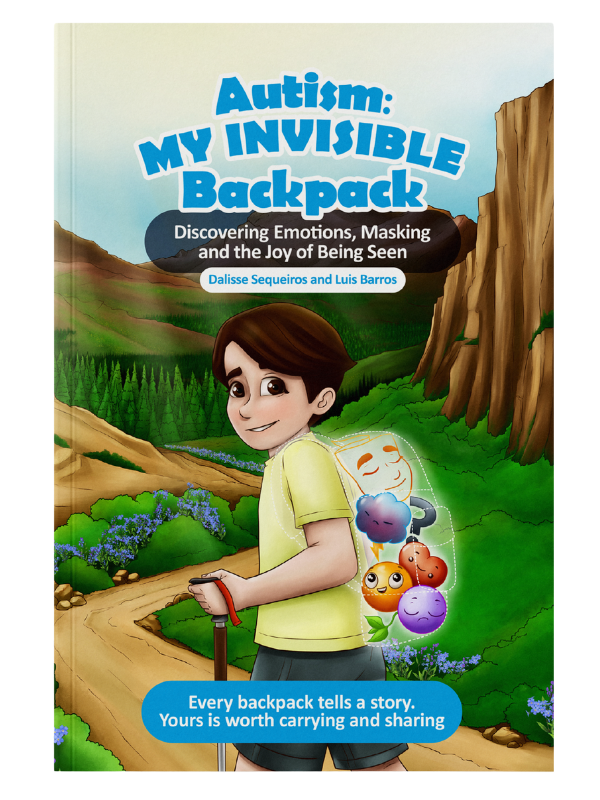
Empathy is not something you lecture about. It is something you model and create experiences for. One of the most powerful tools I have seen is using story to build connection. When a teacher reads a book from our Series or any inclusive book that features an autistic character, it is not a “lesson about autism.” It is an invitation into a different perspective. Kids start asking questions. They might say, “Oh, that is why Guille wears headphones!” It builds understanding from a place of narrative curiosity, not from a list of rules. This is how you build a classroom community that protects and includes everyone.
Partnering, Not Just Reporting
This is the most critical shift. For parents who are not seen as partners, school can feel like a fortress. True inclusion means teachers and parents are on the same team. It looks like a teacher asking me, “What works for Guille when he is overwhelmed at home?” and actually using that information. It looks like co-creating simple, one-page profiles that list a child’s strengths, triggers, and calming strategies, not just their deficits. This partnership tells a child: the important adults in my life are talking, and they both get me.
Building a Wider Circle of Support
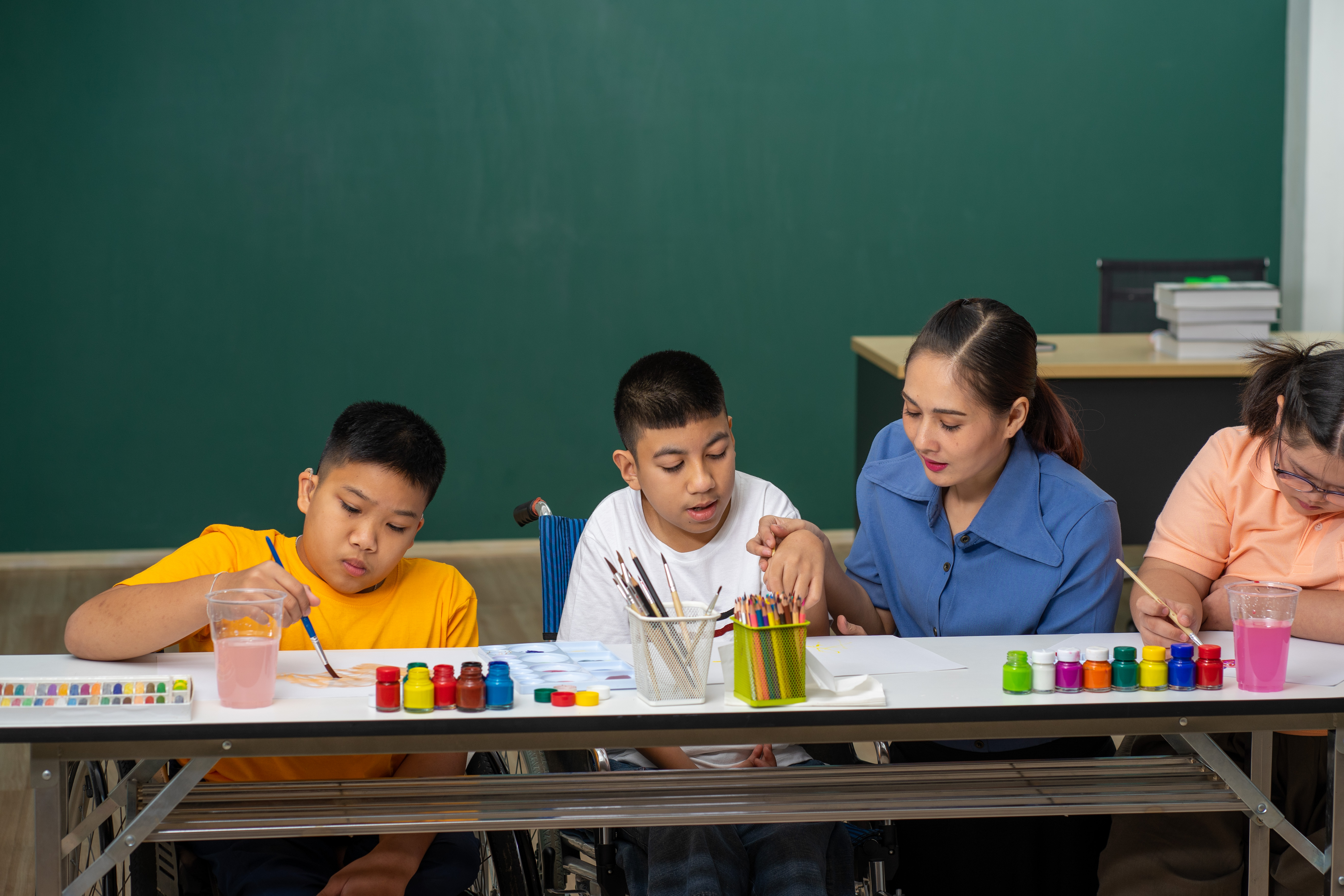
Change in one classroom is wonderful. Systemic change is the goal. I love how in Adrián and Guille’s school, every classroom, whether they have a neurodivergent student or not, has a calm corner. That is what real inclusion looks like. It is not bolted on after the fact. It is built in from the start.
For the Educators Asking for More
If you are an educator reading this and wanting to learn, thank you. Your willingness to learn is the first and biggest step. Seek out resources written by actually autistic adults and parents in the trenches. They offer the real-world insight that manuals often miss. Our FREE Resources page is one place to start, built from our lived experience.
For the Parents Fighting for a Seat at the Table
To every parent who has had to be a relentless advocate, I see you. I hear your stories. It should not be this hard. My heart is with you. Sometimes the most powerful tool you can bring is a story, a story about your child’s brilliance, their struggles, their humanity. Sometimes it is finding that one ally in the building and starting there.
We have been fortunate. I know that. And as I watch Adrián prepare for this next chapter, I carry gratitude and nervousness in equal measure. Nine years in one place that truly saw him. Nine years of teachers who built something real with us, not just for him. That kind of foundation does not disappear when the building does. He carries it with him.
But our story should not be rare. It should be the standard. Every child deserves to walk into a school that is ready to see them, support them, and be genuinely delighted by who they are. Let us keep sharing our stories, the hard and the hopeful, until that becomes every child’s reality.
With love,
Dalisse