
neurodiversity

  • Empowering Our Autistic Kids: Nurturing Self-Advocacy from a Young Age

    Empowering Our Autistic Kids: Nurturing Self-Advocacy from a Young Age

    Self-advocacy isn’t something kids just magically know how to do—it’s a skill we have to gently teach and practice, especially with autistic children. I’ve stumbled through this myself, watching my boys find their voices in a world that often misunderstands them. If you’re looking for parenting tips and practical ways to support your child’s confidence and self-expression, you’re in the right place. Let’s walk this path together, learning how to nurture self-advocacy from the very start.

    Cultivating Self-Advocacy Skills

    Helping our children find their voices is a rewarding journey. It’s about more than just teaching them to speak up; it’s about building confidence and understanding their unique perspectives.

    Starting Conversations Early

    The best time to start teaching self-advocacy is when your child is young. Begin by encouraging them to express their thoughts and preferences. You might start simply by asking them what they want for a snack or which activity they’d prefer to do. These small choices empower them.

    Try to create opportunities for your child to make decisions. It could be as simple as choosing their clothes or deciding which book to read before bed. By doing so, you’re showing them that their opinions matter. It’s a way of saying, “Your voice counts.” When children feel heard, they are more likely to speak up in other areas of their lives.

    Building Confidence Through Stories

    Stories can play a powerful role in helping autistic children build self-confidence. When they see characters who share similar experiences, it can be incredibly validating. Imagine reading a story together where the main character successfully navigates a situation your child faces. This can be a great conversation starter.

    You can ask questions like, “How do you think they felt?” or “What would you do in their place?” These discussions can help your child reflect on their own experiences and develop a deeper understanding of themselves. Plus, it opens the door for them to share their thoughts and feelings, reinforcing their ability to advocate for themselves.

    Creating Inclusive Environments

    Building a world where our children feel included starts with their immediate surroundings. Schools, homes, and communities should all reflect acceptance and understanding.

    Empowering Through Education

    Education is a key factor in creating a supportive environment for autistic children. It starts with helping teachers and classmates understand autism. Simple explanations about what it means to be autistic can go a long way. You might work with teachers to present a short lesson or share a book with the class that explains autism in an accessible way.

    When children understand the diversity in their classroom, they learn empathy. They’re more likely to include and support each other. For parents, it’s important to engage with educators to ensure that your child’s needs are met. Ask questions, share insights about your child, and collaborate to create a nurturing educational environment.

    Encouraging Expression and Choice

    Encouraging kids to express themselves and make choices helps them feel more in control. At home, create spaces where your child can relax and be themselves. This might mean having a quiet corner with sensory toys or a cozy reading nook.

    Invite your child to participate in creating these spaces. Ask them what makes them feel comfortable and safe. By giving them a say in their environment, you’re reinforcing their ability to make choices and express their needs. This practice at home can boost their confidence in other settings.

    Fostering a Supportive Community

    Communities thrive when everyone feels valued and supported. Let’s focus on building connections that uplift our autistic children.

    Sharing Parenting Tips and Insights

    Connecting with other parents can provide valuable insights. Share your experiences and hear theirs. Maybe you’ve developed a morning routine that works wonders, or perhaps another parent has a strategy for handling transitions that you haven’t tried yet.

    Consider joining local support groups or online communities. These spaces can be invaluable for sharing resources and encouragement. They remind us that we’re not alone in this journey.

    Celebrating Neurodiversity Together

    Embracing neurodiversity is about celebrating every child’s unique abilities. Encourage your community to host events that highlight these strengths. Whether it’s an art show, a talent night, or a simple gathering, these events can foster understanding and appreciation.

    When we create spaces that celebrate differences, we’re teaching our children that they belong and are valued. It’s these positive experiences that build a child’s self-esteem and reinforce their ability to advocate for themselves.

    🌟

    In nurturing self-advocacy, we’re not just teaching our children to speak up; we’re giving them the tools to thrive in a world that doesn’t always understand them. Together, we can create a supportive community where every child feels seen and heard.

    Check out our books and FREE Resources

  • Empowering Voices: Encouraging Self-Advocacy in Autistic Children

    Empowering Voices: Encouraging Self-Advocacy in Autistic Children

    Most people think self-advocacy in autistic children just happens naturally. I used to believe that too—until I saw my own sons struggle to express their needs and set boundaries. Nurturing autistic self-advocacy takes patience, understanding, and the right tools. In this post, I’ll share what’s helped our family build confidence and voice in our boys, so your child can feel truly seen and heard.

    Nurturing Autistic Self-Advocacy Skills

    Helping your child find their voice can be the most rewarding journey. Confidence grows when communication channels are clear and supportive.

    Building Confidence Through Communication

    Imagine your child asking for what they need without hesitation. This dream is possible. Start with small steps. Encourage them to express preferences—like choosing between two snacks. These moments build confidence. When my son Adrián first voiced his choice, it was magical. It reminded me that our kids have strong opinions; they just need encouragement to share them.

    Create opportunities for dialogue. Ask open-ended questions like, “What do you think about this?” It invites your child to explore their thoughts. Use visual aids or storyboards if words are hard. These tools can help them express complex feelings more easily.

    Creating Safe Spaces for Expression

    A safe environment is crucial. Make sure your home feels like a sanctuary where your child can speak freely. I remember setting up a cozy corner with soft lights and familiar objects for Adrián. It became his retreat—a place where he felt secure.

    Encourage them to use this space whenever needed. It fosters a sense of ownership over their environment and emotions. Over time, Adrián’s corner became a place of creativity and reflection. Your child can have this too—a space to be themselves, free from judgment.

    Practical Strategies for Empowering Autistic Children

    Empowering your child starts with understanding their world. Help them navigate it by setting and respecting boundaries.

    Encouraging Boundaries and Self-Awareness

    Teaching boundaries is essential. Start by modeling them yourself. When you say, “I need a moment,” you’re showing self-care. This teaches your child it’s okay to do the same. Adrián learned to say, “I need a break,” when overwhelmed. It was a game-changer for us.

    Help your child recognize their body’s signals. Does their heart race in noisy places? Do bright lights cause discomfort? Discuss these sensations openly. This awareness allows them to set effective boundaries, creating a roadmap for self-advocacy.

    Using SEL Resources in Everyday Life

    Social Emotional Learning (SEL) tools are invaluable. They teach essential skills like empathy and self-regulation. Incorporate simple SEL activities into daily routines. For instance, use role-playing to explore different scenarios. It can be as fun as pretending to order at a restaurant.

    Books and stories are also effective. They offer relatable scenarios that foster understanding. In our family, reading together has opened up conversations about emotions and challenges. It’s a bonding experience that also empowers.

    Cultivating an Inclusive Education Environment

    The school setting should echo the supportive environment you cultivate at home. It’s essential for fostering a sense of belonging.

    Supporting Neurodiversity in the Classroom

    Talk to your child’s teachers about their unique needs. Most educators want to help but need guidance. Share what works at home. Maybe it’s a particular seating arrangement or the use of headphones during tests.

    Encourage classrooms to decorate with diverse materials that celebrate neurodiversity. Visual aids and sensory-friendly tools should be standard. These adjustments make a world of difference, helping your child feel understood and valued.

    Collaborative Efforts with Parents and Educators

    Building a network of support is key. Regularly communicate with teachers and staff. They are your partners in this journey. Share successes and challenges openly. This collaboration creates a unified front that benefits your child.

    Join or form parent support groups. We did, and it’s been a lifeline. Sharing resources and strategies with other parents has been invaluable. It creates a community where everyone learns and grows together, ensuring no one feels isolated.

    🙌📚

    By implementing these strategies, you’ll help your child develop a strong voice and a sense of self. Remember, progress may be slow, but each step is significant. Your child’s journey to self-advocacy is not just about them—it’s about creating a world that listens and values every unique voice.

    Check out our books and FREE Resources

  • Creating Mask-Free Zones: A Loving Approach to Authenticity at Home and School

    The Day They Told Me Adrián Was “Acting Normal” at School

    A good friend of Adrián told me at pick-up “Adrián, Is SO tired, but he was acting normal all day.”

    “What do you mean, ‘acting normal’?” I asked..

    “You know… making eye contact. Not stimming. Sitting still. Acting like other kids.”

    My heart broke. Because I realized: my son was masking. And he was exhausted from it.

    That conversation changed everything for our family. It’s why Luis and I became obsessed with creating mask-free zones, spaces where Adrián (and now Guille) never have to pretend to be anything other than exactly who they are.

    If your autistic child is exhausted, withdrawn, or having meltdowns after seemingly “good” days, masking might be why. And creating mask-free zones might be the answer.

    What IS Masking? (And Why It’s So Exhausting)

    Masking is when autistic people hide or suppress their natural autistic traits to fit in with neurotypical expectations.

    It looks like:

    • Forcing eye contact when it’s uncomfortable

    • Suppressing stims (no hand-flapping, no rocking, no vocal sounds)

    • Scripting conversations instead of speaking naturally

    • Pretending to understand social cues they actually don’t get

    • Hiding sensory sensitivities

    • Mirroring others’ body language and expressions

    • Acting interested in things they find boring.

    And here’s the cost: It’s exhausting!

    Imagine spending every moment of your day monitoring your body language, your facial expressions, your tone of voice. Imagine suppressing your natural movements and responses. Imagine translating every social interaction like you’re speaking a foreign language.

    That’s what masking feels like. And that’s what Adrián was doing all day, every day, at school.

    Why Kids Mask

    Adrián didn’t consciously decide one day to start masking. It happened gradually.

    He learned that:

    • Adults praised him when he made eye contact

    • Kids stopped staring when he stopped stimming

    • Adults thought he was “doing better” when he sat still

    • People were nicer to him when he “acted normal”

    So he learned to hide who he really was to make others more comfortable.

    And the heartbreaking part? He thought this was what he was supposed to do…

    The Signs Your Child Might Be Masking

    I didn’t recognize Adrián’s masking for years because at school, he seemed “fine.” His teachers said he was doing well. He wasn’t having meltdowns there…

    But at home? Different story.

    The After-School Collapse

    Within 20 minutes of getting home, specially in the early years Adrián would have a meltdown. Over tiny things, wrong snack, homework, his brother existing……

    I thought, “Why does he save all this for me?”

    Now I know: He was holding it together all day, and home was the only place safe enough to fall apart.

    The Weekend Shutdown

    Fridays through Sundays, Adrián would barely speak. He’d retreat to his room, avoid family activities, resist any plans.

    I worried he was depressed…

    But he was recovering from a week of masking. He needed that quiet, that solitude, that lack of demands.

    The Loss of Authentic Interests

    Adrián stopped talking about trains at school, his biggest passion, because other kids didn’t share that interest……

    He’d come home and talk about popular shows he didn’t even like, repeating things he’d heard other kids say……

    He was losing himself trying to fit in.……

    Physical Symptoms

    Headaches. Stomach aches. Trouble sleeping. These all increased during the school year and eased during breaks.

    Masking isn’t just emotionally exhausting, it’s physically draining.

    Creating Mask-Free Zones at Home

    Once I understood what was happening, Luis and I committed to making our home a place where masking was never necessary.

    Rule #1: Stimming Is Always Welcome

    Before: “Adrián, hands still.” “Stop making that sound.” “Sit properly.”……

    Now: Our home is a stim-friendly zone. Hand-flapping? Great. Vocal sounds? Go for it. Pacing while thinking? Perfect.

    We don’t just allow stimming, we celebrate it as part of who he is.

    Guille watches his brother stim freely and is learning that his own stims (spinning, jumping, echolalia) are perfectly okay too.

    Rule #2: No Forced Eye Contact

    In our home, you never have to look at someone to show you’re listening. ( I do this all the time as an Autistic Adult)

    Luis and I have learned to trust that Adrián is paying attention even when he’s looking away, building LEGO, or lying on the floor.

    Sometimes his best conversations happen while he’s doing something else with his hands.

    Rule #3: Honest Answers Are Valued

    “How was your day?”……

    Before, Adrián would say: “Fine.”…

    Now, he might say: “Loud and overwhelming. I’m glad to be home.”

    We don’t pressure him to be positive or polite. We want honesty. Even if that honesty is “I don’t want to talk about it right now.”

    Rule #4: Special Interests Are Treasured

    Adrián can talk about Roman history for an hour, and we listen. Not politely waiting for him to finish, but actually interested because his passion is beautiful.

    When he brings home a new fact about steam engines, we don’t redirect. We engage.

    His special interests aren’t annoying quirks to manage. They’re windows into what makes him amazing.

    Rule #5: “No” Is a Complete Sentence

    Family gathering? “Can I stay home?”…… Trying a new food? “No thanks.”…… Hug from a relative? “I’d rather not.”……

    In our home, Adrián doesn’t have to justify his boundaries. We trust that he knows what he needs.

    The Physical Space Matters Too

    Adrián’s room is his ultimate mask-free zone:

    • Dim lighting (he controls it)

    • His collections displayed proudly (trains, historical figures, maps)

    • Comfortable clothing only (tags cut out, soft fabrics)

    • Sensory tools within reach

    • No expectations for organization (his “mess” makes sense to him).

    This is HIS space. We don’t impose our neurotypical preferences on it.

    What About School? (Can We Create Mask-Free Zones There?)

    Here’s the harder truth: school is where masking happens most intensely.

    But Luis and I have worked with Adrián’s teachers to create moments of mask-free time, even in that environment, they are experienced and have given us peace of mind and working along with the therapists and us parents has been a life-saver:

    What We’ve Agreed together (Teacher-Therapist-Parents):

    ✓ Fidget tools during class – Adrián can use a fidget while listening. It helps him focus, not distract him……

    ✓ Movement breaks – Built into the schedule, not earned through “good behavior”……

    ✓ Alternative seating – Specially younger, Adrián uses a wobble cushion instead of sitting rigidly still……

    ✓ Reduced eye contact expectations – His teacher understands he’s listening even when not looking……

    ✓ A quiet lunch option – Instead of the overwhelming cafeteria, he can eat in the library with a small group……

    ✓ Special interest integration – When possible, assignments connect to his interests (he did a history project on trains and thrived)……

    ✓ Acceptance of stims – As long as he’s not disrupting others’ learning, his stims are welcomed……

    The Conversation With Teachers

    Luckily we never tiptoe around asking for accommodations, worried about being “that parent.”……

    We believe a honest and truthful conversation with teachers is the best way to go.

    “Adrián masks heavily at school to meet neurotypical expectations. It’s exhausting for him and leads to meltdowns at home. Can we work together to reduce the need for masking during the school day?”

    You might find that some teachers get it immediately. Others need ideas and tips. But starting the conversation has made a huge difference……

    For Educators: How to Create Mask-Free Moments

    If you’re a teacher reading this, here’s what would help autistic students in your classroom:……

    Start With Awareness

    Recognize that the “well-behaved” autistic student who never causes problems might be masking intensely, and paying a huge price for it.

    Build In Regulation Time

    Don’t make breaks something kids have to earn. Build them into the day for everyone.

    Adrián’s best teacher had a “sensory break” built into the schedule every 90 minutes. ALL students benefited, not just the autistic ones.

    Challenge Your Own Expectations

    Does a student really need to make eye contact to show respect? Do they really need to sit completely still to be learning?

    Often, we’re requiring masking without realizing it.

    Create Quiet Options

    Not every child thrives in group activities or loud environments. Having a quiet alternative isn’t “special treatment”, it’s meeting different needs.

    Celebrate Neurodiversity

    When you openly value different ways of thinking, moving, and being in your classroom, you send the message that masking isn’t required.

    Display neurodiversity-affirming posters. Read books with autistic characters. Talk about different learning styles as equally valid.

    This benefits all students, not just autistic ones.

    The Cost of Masking (Why This Matters So Much)

    I want to be clear about something: masking isn’t harmless.Research shows that prolonged masking is linked to:

    • Burnout and exhaustion

    • Anxiety and depression

    • Loss of identity and sense of self

    • Delayed recognition of one’s own needs

    • Increased risk of suicide in autistic adults..

    When Adrián tells me he is “tired of acting normal,” that was a warning sign……

    Creating mask-free zones isn’t just about comfort. It’s about mental health. It’s about allowing our kids to know and be themselves.

    What You Can Do Today: 5 Steps to Honor Your Child’s True Self

    These are the shifts I wish I had made sooner. They’re not about fixing your child, but about changing the environment to let their true self shine.

    1. Recognize the Masking
    Notice the pattern of “good days at school / meltdowns at home.” It’s not defiance, it’s often the exhausting cost of masking all day. That meltdown is the backpack of anxiety finally being unpacked.

    2. Declare Home a Mask-Free Zone
    Tell them, explicitly and often: “You never have to hide who you are in this house.” This verbal permission can be a profound relief.

    3. Model Your Own Authenticity
    After my own diagnosis, I stopped masking my own autistic traits at home. When he saw me stim, or need quiet, or be blunt about my feelings, it gave him silent, powerful permission to do the same.

    4. Advocate Boldly, Not Apologetically
    I was too worried about being a “difficult parent.” I wish I’d pushed harder, sooner, for the supports he needed. You are not being difficult; you are being necessary.

    5. Celebrate, Don’t Just Tolerate
    Move beyond allowing his traits to actively celebrating them. That intense focus? It’s passion. That need for routine? It’s brilliant foresight. Name the strength behind the behavior.

    Resources That Have Helped Us

    If you’re realizing your child has been masking and you want to create safer spaces for them, here’s what has genuinely helped our family:

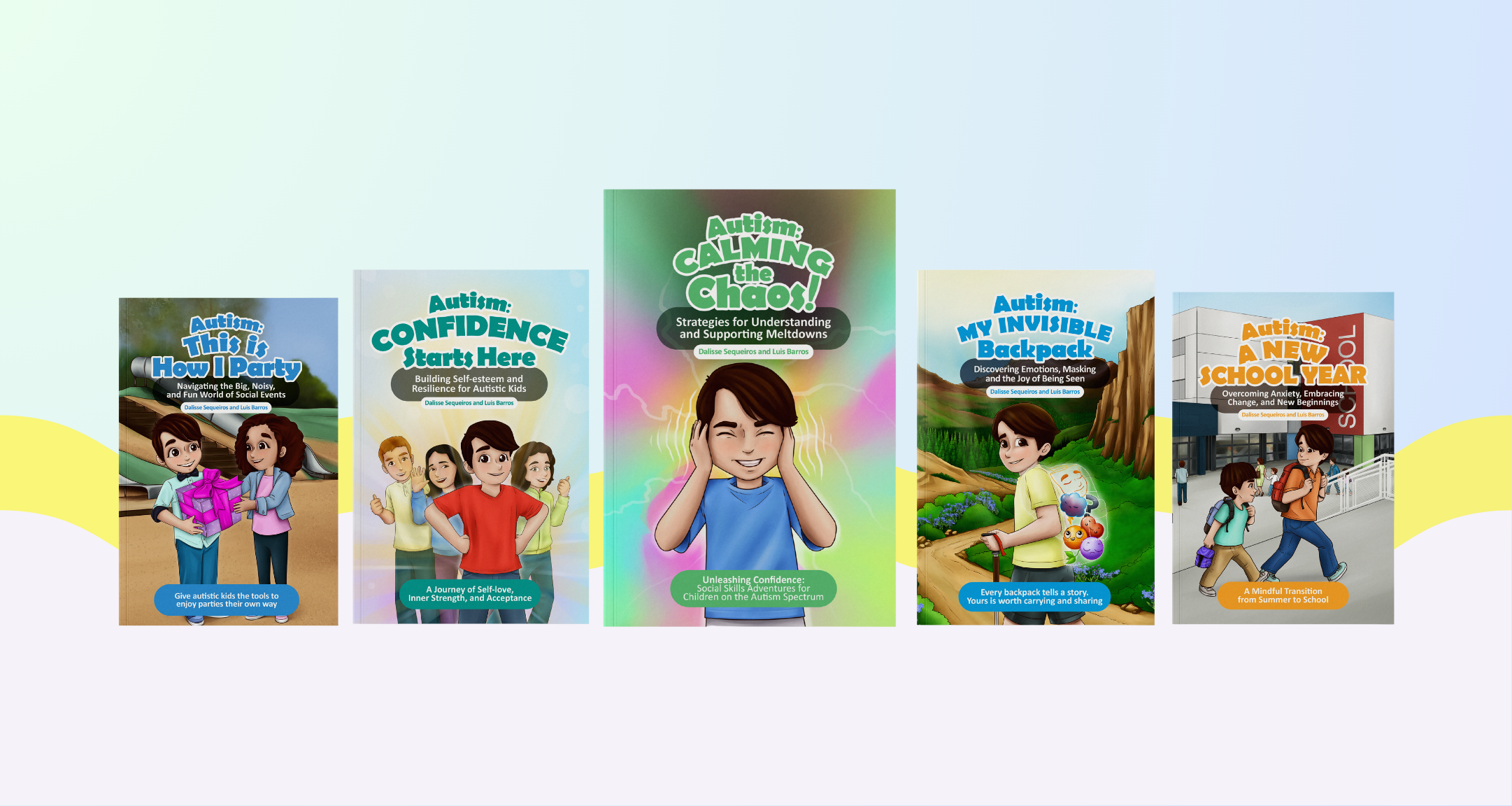
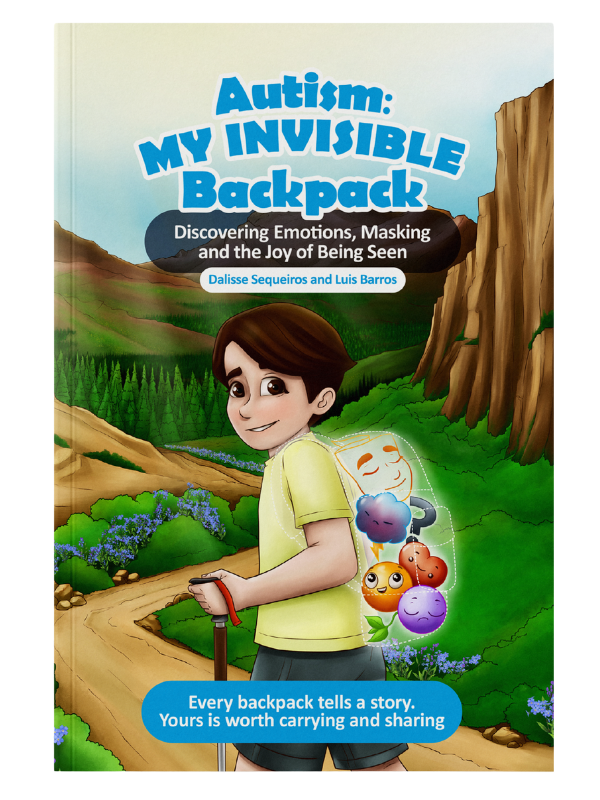
    📚 Autism: My Invisible Backpack – This book explores masking from Adrián’s perspective and includes strategies for creating mask-free zones.

    And we’ve created FREE downloadable resources including:

    • Creating Mask-Free Zones guide

    • Accommodations request template for schools

    • Recognizing masking checklist

    • Building authentic confidence activities……

    Your child shouldn’t have to earn the right to be themselves. They should know it’s a given, at least in the spaces you control.

    With love and authenticity,
    Dalisse (& Luis)
    Loving Pieces Books

    💙 Does your child mask? How do you create safe spaces for authenticity? Share with our community, we’re all learning together. Find us on Instagram @lovingpiecesbooks or explore more resources at lovingpiecesbooks.com.

  • The Moment I Finally Understood: Meltdowns Aren’t Tantrums

    I used to think I was failing as a parent.

    Every time Adrián had what I called a “tantrum” in public, I felt the weight of judgmental stares. The whispers. The head shakes. The well-meaning advice: “You just need to be firmer with him.”

    And honestly? Part of me believed them. Maybe I wasn’t being firm enough. Maybe I was “giving in” too easily. Maybe I was doing something wrong.

    Then one day, our therapist said something that changed everything:

    “Dalisse, that’s not a tantrum. That’s a meltdown. And the difference matters more than you realize.”

    I sat there in her office, tears streaming down my face, because suddenly, finally…things started to make sense.

    Understanding the difference between meltdowns and tantrums literally transformed how Luis and I parent. It changed how we respond, how we prepare, how we feel about ourselves as parents.

    If you’ve been confusing the two, if you’ve been treating meltdowns like behavior problems, I want you to know: you’re not alone. And understanding this difference? It changes everything.

    The Day It All Clicked

    Let me tell you about the grocery store incident that finally made it all make sense.

    Adrián was 5. We were shopping for dinner, just a quick trip we did not plan and he had a long at school. Within minutes, he was on the floor, hands over his ears, screaming. People stared. Someone muttered “something something” An older woman actually came up to me and said, “Pick him up.”

    I picked him up, abandoned our cart, and carried him…still screaming to the car.

    I drove home feeling like the worst mother in the world. Why can’t I control my own child? What am I doing wrong?

    But here’s what I didn’t understand then: Adrián wasn’t trying to do anything. He wasn’t manipulating. He wasn’t being difficult. He wasn’t throwing a tantrum to get his way.

    His nervous system had hit complete overload.

    The fluorescent lights buzzing. The refrigerators humming. Five different food smells competing. A baby crying three aisles over. Shopping cart wheels squeaking. Strangers’ conversations bouncing off tile floors. I will never forget this how I felt, how I imagined my son felt … ufff 

    For his autistic brain, it all added up until there was nowhere for the sensory input to go except OUT, in the form of what looked like a “tantrum” but was actually a meltdown.

    What’s the Actual Difference? (And Why It Matters So Much)

    We explain this visually to Adri and Guille nos with our book Autism: Calming the Chaos it’s even easier. 

    Okay, let’s break this down in a way that finally made sense to me.

    Tantrums: Goal-Oriented

    What they are: A child’s strategy to get something they want or … avoid something they don’t want.

    What they look like:

    • Crying, whining, arguing
    • Stopping when they get what they want (or realize they won’t)
    • Awareness of their surroundings (watching to see if it’s “working”)
    • Some level of control over their behavior

    Example: Guillermo sees a toy at the store. I say no. He cries, begs, throws himself on the ground. When I stay firm and we walk away, he eventually stops and moves on.

    That’s a tantrum. He had a goal (get the toy), used a strategy (crying/begging), and when it didn’t work, he regulated and moved on.

    Meltdowns: Nervous System Overload

    What they are: An involuntary response to complete overwhelm, sensory, emotional, or cognitive.

    What they look like:

    • Total loss of control
    • Continuing even after getting what they “wanted”
    • No awareness of surroundings (they’re in survival mode)
    • Can’t stop even if they want to

    Example: Adrián at that grocery store. Even after we left (removing him from the situation), he couldn’t stop. In the car, he was still crying, still covering his ears, still completely overwhelmed. It took 20 minutes in a quiet, dark space for him to even begin to regulate.

    That was a meltdown. His nervous system hit overload. The thinking, rational part of his brain went offline. He wasn’t choosing anything, he was drowning.

    Why I Was Getting It So Wrong

    Here’s what was happening before I understood the difference:

    When Adrián had a meltdown, I would:

    • Try to reason with him (“Calm down, we’re leaving!”)
    • Feel frustrated that “nothing worked”
    • Worry I was being “too soft” by not punishing him
    • Feel embarrassed by the public spectacle
    • Question my parenting constantly

    All of that made everything worse.

    Because you can’t reason with someone in a meltdown. Their brain literally cannot process language when they’re in that state.

    You can’t punish someone out of a meltdown. That’s like punishing someone for having a panic attack, it doesn’t work and it’s not fair.

    And the embarrassment? That was coming from a fundamental misunderstanding of what was happening.

    What Changed When I Finally Got It

    Once Luis and I understood that meltdowns were neurological, not behavioral, everything shifted.

    We Stopped Trying to “Fix” the Behavior

    Before: “Adrián, you need to calm down right now. This is not acceptable.”

    After: “You’re safe. I’m here. Take your time.”

    We Started Preventing Instead of Punishing

    Before: Consequences after meltdowns, hoping it would “teach” him.

    After: Identifying triggers, avoiding overload when possible, building in breaks before meltdowns happened.

    We Changed Our Own Emotional Response

    Before: Frustration, embarrassment, feeling like failures.

    After: Compassion, understanding, knowing we were supporting our son through something really hard.

    The Triggers I Wish I’d Recognized Sooner

    Looking back, Adrián’s meltdowns almost always had clear triggers. I just didn’t know what to look for.

    Sensory Overload (The Big One)

    This was behind probably 70% of his meltdowns:

    • Loud or unpredictable noises
    • Bright or flickering lights
    • Strong smells
    • Crowds and chaos
    • Certain textures (tags in clothing, sticky hands)
    • Too much visual input

    The grocery store? Sensory overload central.

    Changes in Routine

    Autistic kids often thrive on predictability. When routines change unexpectedly—even small changes, it can trigger anxiety that builds into a meltdown.

    Taking a different route home. A substitute teacher. Dad leaving for work at a different time. Plans changing last minute.

    For Adrián, these felt destabilizing in a way I didn’t initially understand.

    Communication Frustration

    Imagine knowing exactly what you need but being unable to express it. Or expressing it repeatedly and no one understanding you.

    That frustration builds. And builds. And eventually explodes into a meltdown.

    Emotional Overwhelm

    Sometimes the emotion itself is the overwhelm, even positive emotions like excitement.

    Adrián has had meltdowns on Christmas morning. At birthday parties. During celebrations. Not because he was unhappy, but because the emotion was too BIG for his system to process.

    The “Accumulation Effect”

    This one took me forever to understand: sometimes the meltdown happens after the overwhelming thing.

    Adrián would hold it together all day at school, managing all the sensory input, social demands, and schedule changes. Then he’d come home and completely fall apart.

    I used to think, “Why is home the place he loses it?” But a therapist explained: home is his SAFE place. He held it together where he had to, then released it where he felt secure enough to let go.

    That’s not a problem. That’s actually healthy.

    What Actually Helps During a Meltdown

    Okay, this is the practical part. What do you actually DO when your child is in a meltdown?

    Priority #1: Safety

    Make sure they can’t hurt themselves or others. That’s it. That’s the first job.

    Move sharp objects. Block stairs. Stay close enough to intervene if needed. But don’t crowd them unless they want physical comfort.

    Lower the Sensory Input

    If you can:

    • Move to a quieter space
    • Dim the lights
    • Reduce noise
    • Remove crowds
    • Offer headphones or a weighted blanket

    Even if you can’t change the environment, removing your child from it can help.

    Minimize Talking

    I know your instinct is to explain, reassure, problem-solve. Mine too.

    But during a meltdown, their brain can’t process language. Too many words = more overwhelm.

    Keep it simple:

    • “You’re safe.”
    • “I’m here.”
    • “Take your time.”

    That’s it.

    Give Space (But Stay Present)

    Some kids need physical comfort during meltdowns, Luis can hug Guillermo and it helps him calm.

    But Adrián needs space. If we touch him during a meltdown, it makes it worse.

    Learn what YOUR child needs. And respect it, even if it’s not what you want to give.

    Remember: This Will Pass

    In the moment, meltdowns feel endless. But they do end. Your job isn’t to stop it, your job is to keep them safe while their nervous system resets.

    What Comes After: The Recovery Phase

    Once the meltdown is over, your child will be exhausted. Think about it, they just had the neurological equivalent of running a marathon.

    What helps:

    • Quiet time with no demands
    • Comfort (if they want it)
    • Maybe a preferred activity
    • Definitely no lectures or “talks about what happened”

    There’s a time for reflection and learning, but it’s NOT immediately after a meltdown.

    Luis and I wait until Adrián is fully regulated, usually hours later, sometimes the next day, before we gently discuss what happened and what might help next time.

    The Guilt I Had to Let Go Of

    Here’s something nobody talks about: the guilt.

    I felt guilty every time Adrián had a meltdown. Like I should have prevented it. Like I should have known better. Like I was failing him.

    But here’s what I’ve learned: you can’t prevent all meltdowns.

    Even with the best preparation, best strategies, best understanding, sometimes the world is just too much. And that’s not your fault. It’s not your child’s fault. It’s just… reality.

    What you CAN do:

    • Recognize triggers and minimize them when possible
    • Build in preventive breaks
    • Create safe spaces for regulation
    • Respond with compassion instead of punishment
    • Learn and adjust as you go

    That’s not failing. That’s parenting an autistic child with love and wisdom.

    For the Tantrums (Yes, Autistic Kids Have Those Too)

    Let me be clear: autistic kids can have tantrums AND meltdowns. They’re not immune to typical childhood behavior.

    Guillermo absolutely throws tantrums when he doesn’t get his way. And we handle those differently than meltdowns.

    For tantrums:

    • Stay calm but firm
    • Set clear boundaries
    • Don’t give in to the behavior
    • Offer choices when appropriate
    • Follow through with consequences if needed

    The key: During a tantrum, they’re still in control. They’re testing boundaries, expressing frustration, trying to influence the outcome.

    During a meltdown, they’re NOT in control. They’re drowning.

    Different situations require different responses.

    What I Wish Every Parent Knew

    If you take nothing else from this post, please hear this:

    Meltdowns are not bad behavior. They’re communication.

    They’re your child’s nervous system saying, “I’ve hit my limit. I need help.”

    When you respond with understanding instead of punishment, with compassion instead of frustration, everything changes.

    Not just for them, for you too.

    Because parenting from a place of understanding feels so different than parenting from a place of shame and confusion.

    Resources That Actually Helped Us

    If you’re looking for more support in understanding meltdowns and how to respond, here’s what genuinely helped our family:

    📚 Autism: Calming the Chaos – This is the book Luis and I wrote specifically about meltdowns. It’s told from Adrián’s perspective and includes strategies that have actually worked for our family.

    And we’ve created FREE downloadable resources including:

    • Meltdown vs. Tantrum comparison chart
    • Trigger identification worksheet
    • Early warning signs checklist
    • Calm-down strategies cards

    That grocery store meltdown I told you about? It doesn’t haunt me anymore.

    Because now I understand what was really happening. Now I know Adrián wasn’t being difficult… he was struggling. And now I know how to help.

    You can get there too. Understanding is the first step. Compassion is the second. And practical strategies? Those come with time and practice.

    You’re not failing. You’re learning. And that’s exactly what your child needs you to do.

    With understanding and solidarity,
    Dalisse (& Luis)
    Loving Pieces Books

    💙 Have you had a moment when understanding meltdowns vs. tantrums changed how you parent? What was your “aha” moment? Share with our community—we’re all learning together. Find us on Instagram @lovingpiecesbooks or explore more resources at lovingpiecesbooks.com.


  • Today’s Mantra: Lower the Bar, Find the Joy. You’re Doing Great.

    Today’s Mantra: Lower the Bar, Find the Joy. You’re Doing Great.

    If you’re feeling a quiet sense of dread mixed with the holiday excitement, you’re not alone. Thanksgiving can feel like the ultimate test for autism families, a day packed with sensory landmines, social expectations, and the pressure to create “perfect” memories.

    This year, I’m inviting you to a different kind of celebration. One where the goal isn’t a flawless turkey or a seamless family photo. The goal is connection. The goal is joy. And sometimes, the only way to find it is to gently, lovingly, lower the bar.

    Release the Grip of the “Perfect” Day

    I remember a Thanksgiving where I spent hours orchestrating the perfect, quiet, low-stimulation dinner. I had a schedule, safe foods, and escape plans. And then, my son, overwhelmed by the new smells, spilled an entire glass of sparkling cider right onto the “safe” plate.

    In the stunned silence, I took a breath. And then, I did something unexpected: I laughed. A real, from-the-gut laugh. He looked at me, wide-eyed, and a tiny smile touched his lips. That messy, imperfect moment, not the perfectly browned turkey, is the one I remember with a warm heart. It was the moment we connected.

    What helps us: Let go of the script. The most beautiful moments are often the unplanned ones. If the turkey is dry but your child is smiling, the day is a success.

    Celebrate the Quiet Victories

    While others are counting calories or football scores, let’s count our own unique wins.

    • Did your child tolerate the smell of pumpkin pie for a few minutes? That’s a win.

    • Did they use a new sign or word to ask for more mashed potatoes? That’s a win.

    • Did you manage to take five deep breaths in the bathroom instead of yelling? That’s a huge win.

    These are the real milestones. They may not make the family newsletter, but in our homes, they are everything. Shifting our focus to these small sparks of joy builds a foundation of gratitude that is deep, real, and resilient.

    Find Your Feast of Connection

    The feast isn’t just on the table. It’s in the moments we truly see each other.
    Maybe your Thanksgiving looks like snuggling on the couch with a favorite book instead of sitting at the loud, crowded table.

    Maybe it’s a walk outside, crunching leaves and pointing at clouds, away from the overwhelming chatter.
    Maybe it’s ordering pizza and being profoundly, gratefully, okay with it.

    Your version of Thanksgiving is valid. It is enough. It is beautiful.

    This holiday, I am so deeply thankful for you, for showing up, for trying again, for loving your child in all the ways that matter. You are not just building a Thanksgiving menu; you are building a world where your child feels safe, seen, and loved.

    And that is everything.

    Happy Thanksgiving, from our imperfect, grateful family to yours.

    With love and solidarity,

    Adrián, Guillermo, Dalisse and Luis

    The Loving Pieces Books Family

  • The 2-Hour Prep That Saved Our Friends-Giving (And Can Save Yours Too)

    Our first Friends-Giving was a disaster.
    We hosted. We thought we were “ready enough.”
    We were not.

    Within an hour, Adrián was hiding in his room with tears in his eyes, Guille had not been born yet, and Luis and I were exchanging those silent parent glances that say, Abort mission. This is not working.

    We were hosting our friends… in our own home… and still drowning.

    That night, after everyone left, we sat on the couch in complete silence and made a promise to ourselves:

    Never again will we walk into a big gathering, especially one we’re hosting, without preparing Adrián.

    We decided to give it another try, many years later and Guillermo now was in the mix.

    But this time … we changed everything.

    And the wild part: it only took about two hours of prep, spread out over a couple of days. No full-project production. No crafts. No “special-needs mom over the top” energy. Just clear, practical steps that protected our kids and saved the entire event.

    If you’re hosting a holiday, birthday, Friends-Giving, Thanksgiving Dinners or any gathering where your autistic kids will be surrounded by adults, noise, food, expectations, and unpredictability…

    this is the system that finally worked for us.

    Why Hosting Friends-Giving Is Actually Harder Than Attending

    People assume it’s easier when the gathering is in your own home.

    False.

    Hosting means:

    • Your kids’ safe space becomes the social space.

    • Their predictable environment becomes unpredictable.

    • People roam every room unless you control it.

    • Smells, sounds, and conversations multiply.

    • You’re trying to attend to guests and your kids simultaneously.

    • No easy exit option when things go sideways.

    But, guess what? We as a family love to host!!! For Adri, hosting Friends-Giving felt like an invasion of everything familiar.
    For Guille, it was too many people in too many places doing too many things.

    So our entire mindset shifted:

    Instead of forcing our kids to adjust to the event, we adjusted the event to our kids, and it was the best think we could plan to do.

    Here’s the exact breakdown of what we did. Copy it, adapt it, or steal it completely. It worked (for us).

    The first thing we did was to Create the “Friends-Giving Map” (30 minutes)

    Because we were hosting, we made a visual map of exactly what Friends-Giving would look like in our own home. This predictable sequence was a life-saver. It was a simple PPT we did nothing fancy or hyper-realistic…

    Ours included photos of:

    • The kitchen (“People will be cooking and talking here.”)

    • The living room (“Our friends will sit here.”)

    • The dining table (“We will eat together here.”)

    • Adri’s room (“You can take breaks here anytime.”)

    • Guille’s room (“You can play here if you need space.”)

    • The payroom (“where all the kids will play together.”)

    • The backyard (“We might step outside if it gets loud.”)

    We walked the boys through it every night for three nights.

    No fancy program. We downloaded it on my phone.

    Key detail:
    We explicitly included the rule:
    “You can leave the busy space whenever you want, your safe space will be your room.”

    Just knowing they had an escape made them willing to stay longer. And Adrián was excited he loves when his friends come over.

    Now continue by Prep the Sensory Zones (20 minutes)

    Yes, zones, plural. Hosting requires more than a backpack.

    We set up three predictable sensory stations:

    1. The Quiet Room (Adri’s or Guille’s bedroom)

    • TV breaks

    • Weighted blanket

    • Fidgets

    • Tablet with downloaded shows

    • They are allowed to close the door if needed (They cant lock themselves in the rooms have no locks)

    2. Guille’s Comfort Corner

    In the playroom we have a tent and it fit one so this becomes his little nook we usually set it behind the sofa with:

    • His squishy toys

    • Chewy bracelet

    • Pillows

    • Play-Dough

    Sensory Products we love: Click here

    3. The Kitchen Helper Station- Guille loves this

    Because both kids like purpose, not chaos:

    • A bowl they could help mix

    • A “safe job” they could do if they wanted to engage

    • Zero pressure to participate

    • Guille has a little Stool like this one Click here, and he senses it like his fort. Plus he is very good at cooking.

    Each zone was ready before anyone arrived.

    Next up: Solve the Food Pressure Before It Starts (40 minutes)

    Hosting means your food becomes the center of attention, and so does what your kids eat or don’t eat. I love cooking, I could be all day in the kitchen, I hyper-focus and create a good plate. But my kids don’t even try my food some days … It’s ok, I have learned not to take it personally.

    SO what we did with food is we eliminated that problem with one uncompromising rule:

    We serve regular Friends-Giving food for guests.
    We serve safe food for the kids.
    Zero apologies.

    We told our friends ahead of time:
    “Adri and Guille will have their safe foods available, so they may not eat the Friends-Giving meal. Just ignore their plates, we’ve got it covered.”

    People appreciated the clarity.

    Our boys’ plates included:

    • Plain pasta

    • Plain chicken

    • Their preferred crackers

    • Fruit slices

    • Familiar dessert from home

    They ate what worked for them.
    Everyone else ate turkey and sides.
    No tension. No commentary. No guilt. And guess what many of the other kids preferred the safe-food so it felt very normal, I loved that!

    This one is harder … Establish Guest Rules (15 minutes)

    This was new for us, and a game changer.
    Because hosting means you need to protect your kids from well-meaning adults.

    We sent one clear message in our group chat:

    “Please know that Adri and Guille might need some alone time so they will go up their rooms and come back down when they are ready.
    We’ll guide them as needed. Thanks for helping us make this day comfortable for them.”

    Did it feel awkward to send? Not really, they were our closest friends, they know us and know our kids it more a reminder than a “rule”.

    We also:

    • Blocked off the kids’ bedrooms.

    • Asked guests not to force hugs or kisses.

    • Let everyone know we’d be doing “quiet breaks” throughout the day.

    When you set expectations early, guests adapt.

    We also Practice Micro Scripts (15 minutes)

    Five minutes a night, three nights in a row.

    We practiced:

    • How to say hello

    • How to decline hugs

    • How to ask for breaks

    • How to tell us when they were done

    • How to answer basic questions with one-sentence replies

    We practiced exactly these phrases:

    “I’m not ready to talk right now.”
    “No thank you, I don’t want a hug.”
    “I need a break in my room.”
    “I’ll play later.”

    This tiny rehearsal gave them huge confidence on the actual day.

    Day-Of Strategies That Actually Worked

    Even with prep, the day requires strategy. Here’s what made the difference:

    1. This one happened without planning

    Friends came in waves, not all at once.
    This prevented that “sudden invasion” feeling for the kids.

    2. We Protected the Quiet Room

    No adults in there.
    No kids wandering in.
    Zero exceptions.

    3. We Scheduled Breaks

    Every hour, we quietly checked in with each boy:
    “Do you need break time?”

    Sometimes yes.
    Sometimes no.
    But the check-in prevented overwhelm.

    4. We Abandoned the “host perfection” mindset

    We hosted a comfortable gathering, not a performance.

    If the kids needed to disappear for an hour, that was success. If they needed the tablet we let them be.
    If they checked in but didn’t stay long, also success.

    5. We Ended the Day Without Guilt

    When Adri gave us the signal… “I’m done”, we gently wrapped up Friends-Giving.
    We didn’t push.
    We didn’t negotiate.
    We ended on a good note. He went to his room and that was it. We kept enjoying our friends and family.

    What Success Looked Like For Our Family

    Both boys:

    • Ate their safe foods

    • Took multiple breaks

    • Spent time with guests in short bursts

    • Avoided meltdowns

    • Ended the day regulated instead of exhausted

    And we got to enjoy our friends without constantly managing crises.

    That is success.
    Not picture-perfect.
    Not neurotypical-looking.
    Just peaceful, predictable, and human. And I want to host as many dinners I can it’s something that we like doing, and my kids are also social they feel happy when they see their friends coming into their homes and lives, and that makes us whole.

    For Anyone Hosting With Autistic Kids

    Here’s the blunt truth:
    You cannot host a big gathering successfully unless you prepare your kids AND your guests.

    Not preparing is what creates the chaos.
    Not communication.
    Not autism.

    When you control the environment, set boundaries, and make the day predictable, your kids thrive and your guests actually enjoy being with you.

    And you?
    You finally get to enjoy your own Friends-Giving instead of surviving it.

    With care, clarity, and compassion,
    Dalisse

  • Building Self-Confidence in Autistic Children Through Storytelling: A Journey of Empowerment

    I want to start with a moment I don’t usually talk about.

    A few years ago, I was sitting on the floor of my son’s bedroom, surrounded by books that were supposed to “help” him, the kind with perfectly behaved cartoon kids and neat, tidy resolutions. You know the type: the stories that feel nothing like real life.

    He was flipping through one of them, half-interested, half-checking out. And I remember thinking, “This isn’t him. This isn’t us. These stories don’t see him.”

    I felt that familiar ache, the one that whispers, You’re not doing enough.

    But then something shifted. I picked up a different book, one where the main character moved through the world the way he did. Literal. Sensitive. Observant. Beautifully unique.

    Halfway through the story, he did something incredibly small but incredibly meaningful: he scooted closer. No words. Just a tiny movement… but to me, it felt like a bridge had formed between us.

    That’s when it hit me:

    Confidence begins the moment a child feels genuinely seen. And stories have the power to do that in a way nothing else can.

    Why Stories Matter So Much for Autistic Children

    I’m not here to lecture you with a stack of research papers, but experts have long known that storytelling helps children understand emotions, develop identity, and build resilience.

    I’ve seen this in real life, too, both with my own kids and with countless families in our community.

    Stories don’t just teach lessons.
    They offer mirrors.
    They offer language.
    They offer belonging.

    Especially for autistic children, who often navigate a world that misunderstands their rhythms, interests, and sensitivities.

    Let’s break down the real magic behind storytelling, the kind that actually builds confidence from the inside out. The books that we pour our our love in creating for all Autistic Children not only ours.

    Seeing Their Strengths Reflected Back

    When you read stories that resonate, they become a mirror. They reflect the strengths within. For autistic children, tales that show characters like themselves can be transformative. These stories help them see their potential. Imagine a child reading about another who excels in areas they too find interesting. This connection is powerful. It reinforces what they are already good at. Here’s the key insight: seeing their strengths in stories can boost their confidence.

    But it’s more than just seeing strengths. It’s about understanding them. Autistic children often have unique interests. Stories that highlight these interests validate their passions. This validation is crucial. It tells them that what they love is important. It encourages them to pursue what they’re passionate about. This pursuit can lead to personal growth. And when growth happens, confidence follows.Have you ever watched your child light up when something finally “clicks” for them?

    That spark is everything.

    When autistic children see characters who think like they think, feel like they feel, and love what they love, they begin to understand something powerful:

    “My strengths matter. My interests matter. I matter.”

    So many autistic children have deep passions, for my kids they love trains, animals, space, history, weather patterns. When those passions show up in stories, something shifts. Their shoulders soften. Their eyes widen. There’s this quiet sigh of relief because, for once, the world matches them instead of the other way around.

    And if I’m honest, it’s a relief for us, too.
    It’s like, Okay, they see themselves.
    That alone builds confidence more than any motivational speech ever could.

    Resilience Through Relatable Characters

    Let me share a tiny scene from our home.

    One night, while reading a story about a boy who struggles with sensory overload, my son paused and whispered, “Like me.” Two words. That’s it. But those two words were the doorway to a conversation we had never been able to touch before.

    Stories can give our children the courage to face hard things, not because the character is perfect, but because the character keeps trying.

    They learn:

    • Everyone struggles
    • Struggles are normal
    • There are different ways to solve problems
    • They are not alone in what they feel

    That’s resilience… not the tough-it-out kind, but the deeply human kind that grows slowly and quietly.

    Embracing Identity Through Narratives

    Let’s be honest. Growing up autistic in a world designed for neurotypicals can chip away at a child’s self-worth. I’ve seen it. Maybe you’ve seen it too.

    That’s why it matters so much when stories celebrate neurodiversity instead of trying to “fix” it.

    When a child sees affirming stories, they learn:

    “My identity is not a problem. It’s a strength.”

    These stories give them the words to name their needs without shame. They teach them how to advocate. They help them understand their sensory world. They normalize differences instead of highlighting them as flaws.

    This is where confidence begins to root itself deeply, in identity, not performance.

    Safe Spaces for Expression

    I’ll be honest with you: my kids didn’t always have the language to express their emotions. And I didn’t always know how to help them find it.

    Stories changed that for us.

    Characters model how to name feelings, how to ask for help, how to say “I need a break.” And suddenly, those hard conversations become softer, easier, more accessible.

    Stories create the emotional safety net many autistic children need before they can step into self-confidence.

    And as parents, reading with them becomes its own version of therapy, one we get to share from the couch under a blanket.

    Books as Tools for Social-Emotional Learning

    This isn’t about “fixing” our kids. It’s about equipping them.

    Books naturally teach:

    • empathy
    • problem-solving
    • emotional regulation
    • communication skills
    • navigating friendships
    • understanding boundaries

    And when these lessons come through characters who feel familiar… they stick.

    Research backs this up, but honestly, our lived experiences say the same thing.

    The right story at the right time can change everything.

    Authentic Books for Neurodiversity

    Authentic books are more than stories. They are tools for inclusion and learning. They celebrate neurodiversity and teach valuable lessons.

    The Truth: You Don’t Need to Be a Perfect Parent to Build Confidence

    If you take nothing else from this blog, I hope it’s this:

    Confidence does not come from perfection. It comes from connection.

    Every time you read a story that feels like your child…
    Every time you help them see their strengths in a character…
    Every time you give them language for their inner world…
    You’re building confidence, brick by brick.

    Even on the days when you feel like you’re winging it.
    Especially on those days, actually.

    You’re already doing more than you realize.

    If You Want to Take This Journey Even Deeper…

    If something in this conversation resonated with you, if you felt a little spark of recognition or relief, I created something with you and your child in mind.

    Check out our book Autism: Confidence Starts Here

    It’s filled with the kind of stories I wish I’d had when I first started parenting autistic children stories that validate, empower, and help kids see the brilliance in who they are.

    Your child deserves to feel confident.
    You deserve tools that actually help.
    And you’re not alone in this.

    One story at a time, we can help our children stand a little taller in who they already are.

    Check out our books and FREE Resources

    With love and Kindness,

    Dalisse