
inclusive education

  • Empowering Our Autistic Kids: Nurturing Self-Advocacy from a Young Age

    Empowering Our Autistic Kids: Nurturing Self-Advocacy from a Young Age

    Self-advocacy isn’t something kids just magically know how to do—it’s a skill we have to gently teach and practice, especially with autistic children. I’ve stumbled through this myself, watching my boys find their voices in a world that often misunderstands them. If you’re looking for parenting tips and practical ways to support your child’s confidence and self-expression, you’re in the right place. Let’s walk this path together, learning how to nurture self-advocacy from the very start.

    Cultivating Self-Advocacy Skills

    Helping our children find their voices is a rewarding journey. It’s about more than just teaching them to speak up; it’s about building confidence and understanding their unique perspectives.

    Starting Conversations Early

    The best time to start teaching self-advocacy is when your child is young. Begin by encouraging them to express their thoughts and preferences. You might start simply by asking them what they want for a snack or which activity they’d prefer to do. These small choices empower them.

    Try to create opportunities for your child to make decisions. It could be as simple as choosing their clothes or deciding which book to read before bed. By doing so, you’re showing them that their opinions matter. It’s a way of saying, “Your voice counts.” When children feel heard, they are more likely to speak up in other areas of their lives.

    Building Confidence Through Stories

    Stories can play a powerful role in helping autistic children build self-confidence. When they see characters who share similar experiences, it can be incredibly validating. Imagine reading a story together where the main character successfully navigates a situation your child faces. This can be a great conversation starter.

    You can ask questions like, “How do you think they felt?” or “What would you do in their place?” These discussions can help your child reflect on their own experiences and develop a deeper understanding of themselves. Plus, it opens the door for them to share their thoughts and feelings, reinforcing their ability to advocate for themselves.

    Creating Inclusive Environments

    Building a world where our children feel included starts with their immediate surroundings. Schools, homes, and communities should all reflect acceptance and understanding.

    Empowering Through Education

    Education is a key factor in creating a supportive environment for autistic children. It starts with helping teachers and classmates understand autism. Simple explanations about what it means to be autistic can go a long way. You might work with teachers to present a short lesson or share a book with the class that explains autism in an accessible way.

    When children understand the diversity in their classroom, they learn empathy. They’re more likely to include and support each other. For parents, it’s important to engage with educators to ensure that your child’s needs are met. Ask questions, share insights about your child, and collaborate to create a nurturing educational environment.

    Encouraging Expression and Choice

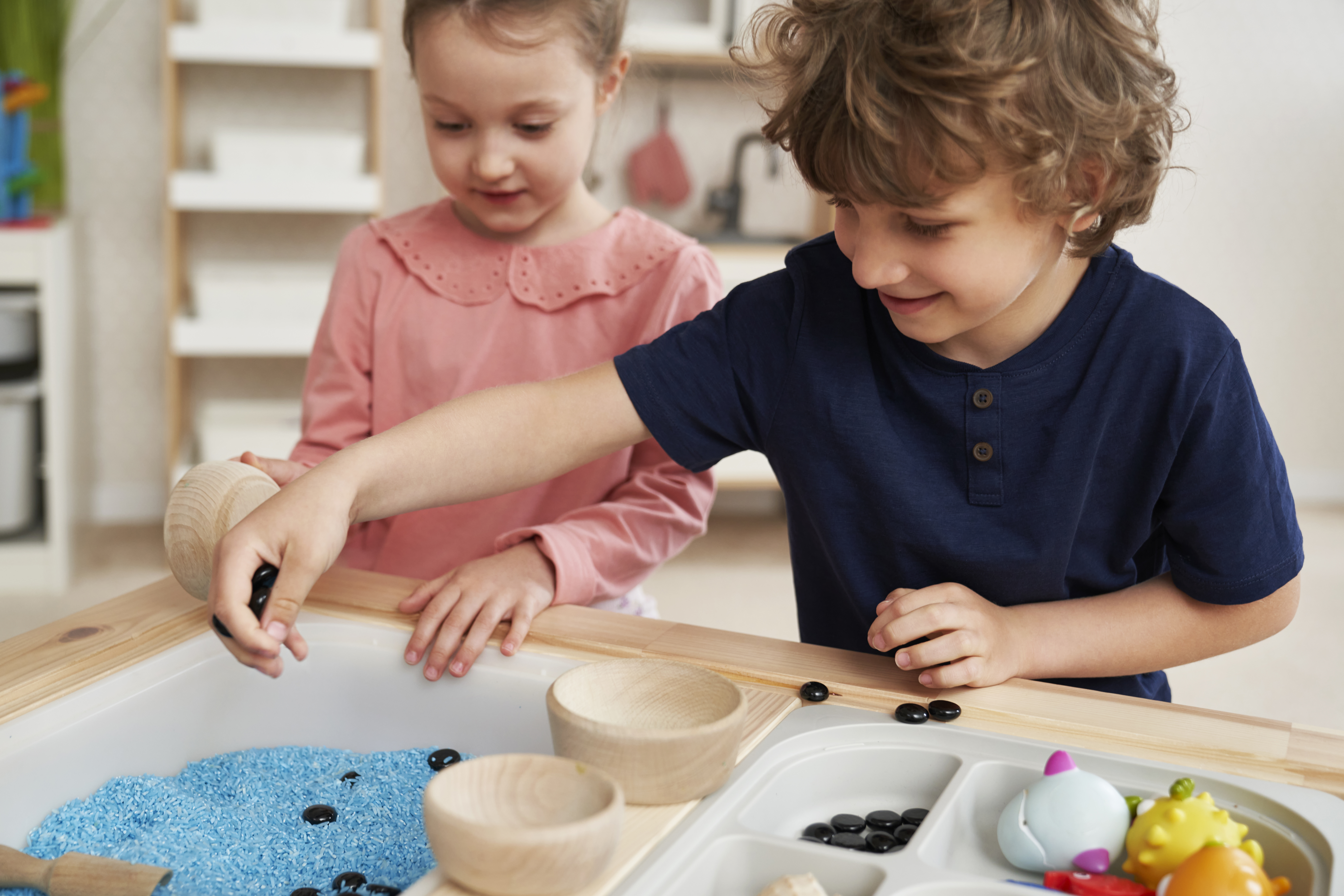
    Encouraging kids to express themselves and make choices helps them feel more in control. At home, create spaces where your child can relax and be themselves. This might mean having a quiet corner with sensory toys or a cozy reading nook.

    Invite your child to participate in creating these spaces. Ask them what makes them feel comfortable and safe. By giving them a say in their environment, you’re reinforcing their ability to make choices and express their needs. This practice at home can boost their confidence in other settings.

    Fostering a Supportive Community

    Communities thrive when everyone feels valued and supported. Let’s focus on building connections that uplift our autistic children.

    Sharing Parenting Tips and Insights

    Connecting with other parents can provide valuable insights. Share your experiences and hear theirs. Maybe you’ve developed a morning routine that works wonders, or perhaps another parent has a strategy for handling transitions that you haven’t tried yet.

    Consider joining local support groups or online communities. These spaces can be invaluable for sharing resources and encouragement. They remind us that we’re not alone in this journey.

    Celebrating Neurodiversity Together

    Embracing neurodiversity is about celebrating every child’s unique abilities. Encourage your community to host events that highlight these strengths. Whether it’s an art show, a talent night, or a simple gathering, these events can foster understanding and appreciation.

    When we create spaces that celebrate differences, we’re teaching our children that they belong and are valued. It’s these positive experiences that build a child’s self-esteem and reinforce their ability to advocate for themselves.

    🌟

    In nurturing self-advocacy, we’re not just teaching our children to speak up; we’re giving them the tools to thrive in a world that doesn’t always understand them. Together, we can create a supportive community where every child feels seen and heard.

    Check out our books and FREE Resources

  • Empowering Voices: Encouraging Self-Advocacy in Autistic Children

    Empowering Voices: Encouraging Self-Advocacy in Autistic Children

    Most people think self-advocacy in autistic children just happens naturally. I used to believe that too—until I saw my own sons struggle to express their needs and set boundaries. Nurturing autistic self-advocacy takes patience, understanding, and the right tools. In this post, I’ll share what’s helped our family build confidence and voice in our boys, so your child can feel truly seen and heard.

    Nurturing Autistic Self-Advocacy Skills

    Helping your child find their voice can be the most rewarding journey. Confidence grows when communication channels are clear and supportive.

    Building Confidence Through Communication

    Imagine your child asking for what they need without hesitation. This dream is possible. Start with small steps. Encourage them to express preferences—like choosing between two snacks. These moments build confidence. When my son Adrián first voiced his choice, it was magical. It reminded me that our kids have strong opinions; they just need encouragement to share them.

    Create opportunities for dialogue. Ask open-ended questions like, “What do you think about this?” It invites your child to explore their thoughts. Use visual aids or storyboards if words are hard. These tools can help them express complex feelings more easily.

    Creating Safe Spaces for Expression

    A safe environment is crucial. Make sure your home feels like a sanctuary where your child can speak freely. I remember setting up a cozy corner with soft lights and familiar objects for Adrián. It became his retreat—a place where he felt secure.

    Encourage them to use this space whenever needed. It fosters a sense of ownership over their environment and emotions. Over time, Adrián’s corner became a place of creativity and reflection. Your child can have this too—a space to be themselves, free from judgment.

    Practical Strategies for Empowering Autistic Children

    Empowering your child starts with understanding their world. Help them navigate it by setting and respecting boundaries.

    Encouraging Boundaries and Self-Awareness

    Teaching boundaries is essential. Start by modeling them yourself. When you say, “I need a moment,” you’re showing self-care. This teaches your child it’s okay to do the same. Adrián learned to say, “I need a break,” when overwhelmed. It was a game-changer for us.

    Help your child recognize their body’s signals. Does their heart race in noisy places? Do bright lights cause discomfort? Discuss these sensations openly. This awareness allows them to set effective boundaries, creating a roadmap for self-advocacy.

    Using SEL Resources in Everyday Life

    Social Emotional Learning (SEL) tools are invaluable. They teach essential skills like empathy and self-regulation. Incorporate simple SEL activities into daily routines. For instance, use role-playing to explore different scenarios. It can be as fun as pretending to order at a restaurant.

    Books and stories are also effective. They offer relatable scenarios that foster understanding. In our family, reading together has opened up conversations about emotions and challenges. It’s a bonding experience that also empowers.

    Cultivating an Inclusive Education Environment

    The school setting should echo the supportive environment you cultivate at home. It’s essential for fostering a sense of belonging.

    Supporting Neurodiversity in the Classroom

    Talk to your child’s teachers about their unique needs. Most educators want to help but need guidance. Share what works at home. Maybe it’s a particular seating arrangement or the use of headphones during tests.

    Encourage classrooms to decorate with diverse materials that celebrate neurodiversity. Visual aids and sensory-friendly tools should be standard. These adjustments make a world of difference, helping your child feel understood and valued.

    Collaborative Efforts with Parents and Educators

    Building a network of support is key. Regularly communicate with teachers and staff. They are your partners in this journey. Share successes and challenges openly. This collaboration creates a unified front that benefits your child.

    Join or form parent support groups. We did, and it’s been a lifeline. Sharing resources and strategies with other parents has been invaluable. It creates a community where everyone learns and grows together, ensuring no one feels isolated.

    🙌📚

    By implementing these strategies, you’ll help your child develop a strong voice and a sense of self. Remember, progress may be slow, but each step is significant. Your child’s journey to self-advocacy is not just about them—it’s about creating a world that listens and values every unique voice.

    Check out our books and FREE Resources

  • Creating Mask-Free Zones: A Loving Approach to Authenticity at Home and School

    The Day They Told Me Adrián Was “Acting Normal” at School

    A good friend of Adrián told me at pick-up “Adrián, Is SO tired, but he was acting normal all day.”

    “What do you mean, ‘acting normal’?” I asked..

    “You know… making eye contact. Not stimming. Sitting still. Acting like other kids.”

    My heart broke. Because I realized: my son was masking. And he was exhausted from it.

    That conversation changed everything for our family. It’s why Luis and I became obsessed with creating mask-free zones, spaces where Adrián (and now Guille) never have to pretend to be anything other than exactly who they are.

    If your autistic child is exhausted, withdrawn, or having meltdowns after seemingly “good” days, masking might be why. And creating mask-free zones might be the answer.

    What IS Masking? (And Why It’s So Exhausting)

    Masking is when autistic people hide or suppress their natural autistic traits to fit in with neurotypical expectations.

    It looks like:

    • Forcing eye contact when it’s uncomfortable

    • Suppressing stims (no hand-flapping, no rocking, no vocal sounds)

    • Scripting conversations instead of speaking naturally

    • Pretending to understand social cues they actually don’t get

    • Hiding sensory sensitivities

    • Mirroring others’ body language and expressions

    • Acting interested in things they find boring.

    And here’s the cost: It’s exhausting!

    Imagine spending every moment of your day monitoring your body language, your facial expressions, your tone of voice. Imagine suppressing your natural movements and responses. Imagine translating every social interaction like you’re speaking a foreign language.

    That’s what masking feels like. And that’s what Adrián was doing all day, every day, at school.

    Why Kids Mask

    Adrián didn’t consciously decide one day to start masking. It happened gradually.

    He learned that:

    • Adults praised him when he made eye contact

    • Kids stopped staring when he stopped stimming

    • Adults thought he was “doing better” when he sat still

    • People were nicer to him when he “acted normal”

    So he learned to hide who he really was to make others more comfortable.

    And the heartbreaking part? He thought this was what he was supposed to do…

    The Signs Your Child Might Be Masking

    I didn’t recognize Adrián’s masking for years because at school, he seemed “fine.” His teachers said he was doing well. He wasn’t having meltdowns there…

    But at home? Different story.

    The After-School Collapse

    Within 20 minutes of getting home, specially in the early years Adrián would have a meltdown. Over tiny things, wrong snack, homework, his brother existing……

    I thought, “Why does he save all this for me?”

    Now I know: He was holding it together all day, and home was the only place safe enough to fall apart.

    The Weekend Shutdown

    Fridays through Sundays, Adrián would barely speak. He’d retreat to his room, avoid family activities, resist any plans.

    I worried he was depressed…

    But he was recovering from a week of masking. He needed that quiet, that solitude, that lack of demands.

    The Loss of Authentic Interests

    Adrián stopped talking about trains at school, his biggest passion, because other kids didn’t share that interest……

    He’d come home and talk about popular shows he didn’t even like, repeating things he’d heard other kids say……

    He was losing himself trying to fit in.……

    Physical Symptoms

    Headaches. Stomach aches. Trouble sleeping. These all increased during the school year and eased during breaks.

    Masking isn’t just emotionally exhausting, it’s physically draining.

    Creating Mask-Free Zones at Home

    Once I understood what was happening, Luis and I committed to making our home a place where masking was never necessary.

    Rule #1: Stimming Is Always Welcome

    Before: “Adrián, hands still.” “Stop making that sound.” “Sit properly.”……

    Now: Our home is a stim-friendly zone. Hand-flapping? Great. Vocal sounds? Go for it. Pacing while thinking? Perfect.

    We don’t just allow stimming, we celebrate it as part of who he is.

    Guille watches his brother stim freely and is learning that his own stims (spinning, jumping, echolalia) are perfectly okay too.

    Rule #2: No Forced Eye Contact

    In our home, you never have to look at someone to show you’re listening. ( I do this all the time as an Autistic Adult)

    Luis and I have learned to trust that Adrián is paying attention even when he’s looking away, building LEGO, or lying on the floor.

    Sometimes his best conversations happen while he’s doing something else with his hands.

    Rule #3: Honest Answers Are Valued

    “How was your day?”……

    Before, Adrián would say: “Fine.”…

    Now, he might say: “Loud and overwhelming. I’m glad to be home.”

    We don’t pressure him to be positive or polite. We want honesty. Even if that honesty is “I don’t want to talk about it right now.”

    Rule #4: Special Interests Are Treasured

    Adrián can talk about Roman history for an hour, and we listen. Not politely waiting for him to finish, but actually interested because his passion is beautiful.

    When he brings home a new fact about steam engines, we don’t redirect. We engage.

    His special interests aren’t annoying quirks to manage. They’re windows into what makes him amazing.

    Rule #5: “No” Is a Complete Sentence

    Family gathering? “Can I stay home?”…… Trying a new food? “No thanks.”…… Hug from a relative? “I’d rather not.”……

    In our home, Adrián doesn’t have to justify his boundaries. We trust that he knows what he needs.

    The Physical Space Matters Too

    Adrián’s room is his ultimate mask-free zone:

    • Dim lighting (he controls it)

    • His collections displayed proudly (trains, historical figures, maps)

    • Comfortable clothing only (tags cut out, soft fabrics)

    • Sensory tools within reach

    • No expectations for organization (his “mess” makes sense to him).

    This is HIS space. We don’t impose our neurotypical preferences on it.

    What About School? (Can We Create Mask-Free Zones There?)

    Here’s the harder truth: school is where masking happens most intensely.

    But Luis and I have worked with Adrián’s teachers to create moments of mask-free time, even in that environment, they are experienced and have given us peace of mind and working along with the therapists and us parents has been a life-saver:

    What We’ve Agreed together (Teacher-Therapist-Parents):

    ✓ Fidget tools during class – Adrián can use a fidget while listening. It helps him focus, not distract him……

    ✓ Movement breaks – Built into the schedule, not earned through “good behavior”……

    ✓ Alternative seating – Specially younger, Adrián uses a wobble cushion instead of sitting rigidly still……

    ✓ Reduced eye contact expectations – His teacher understands he’s listening even when not looking……

    ✓ A quiet lunch option – Instead of the overwhelming cafeteria, he can eat in the library with a small group……

    ✓ Special interest integration – When possible, assignments connect to his interests (he did a history project on trains and thrived)……

    ✓ Acceptance of stims – As long as he’s not disrupting others’ learning, his stims are welcomed……

    The Conversation With Teachers

    Luckily we never tiptoe around asking for accommodations, worried about being “that parent.”……

    We believe a honest and truthful conversation with teachers is the best way to go.

    “Adrián masks heavily at school to meet neurotypical expectations. It’s exhausting for him and leads to meltdowns at home. Can we work together to reduce the need for masking during the school day?”

    You might find that some teachers get it immediately. Others need ideas and tips. But starting the conversation has made a huge difference……

    For Educators: How to Create Mask-Free Moments

    If you’re a teacher reading this, here’s what would help autistic students in your classroom:……

    Start With Awareness

    Recognize that the “well-behaved” autistic student who never causes problems might be masking intensely, and paying a huge price for it.

    Build In Regulation Time

    Don’t make breaks something kids have to earn. Build them into the day for everyone.

    Adrián’s best teacher had a “sensory break” built into the schedule every 90 minutes. ALL students benefited, not just the autistic ones.

    Challenge Your Own Expectations

    Does a student really need to make eye contact to show respect? Do they really need to sit completely still to be learning?

    Often, we’re requiring masking without realizing it.

    Create Quiet Options

    Not every child thrives in group activities or loud environments. Having a quiet alternative isn’t “special treatment”, it’s meeting different needs.

    Celebrate Neurodiversity

    When you openly value different ways of thinking, moving, and being in your classroom, you send the message that masking isn’t required.

    Display neurodiversity-affirming posters. Read books with autistic characters. Talk about different learning styles as equally valid.

    This benefits all students, not just autistic ones.

    The Cost of Masking (Why This Matters So Much)

    I want to be clear about something: masking isn’t harmless.Research shows that prolonged masking is linked to:

    • Burnout and exhaustion

    • Anxiety and depression

    • Loss of identity and sense of self

    • Delayed recognition of one’s own needs

    • Increased risk of suicide in autistic adults..

    When Adrián tells me he is “tired of acting normal,” that was a warning sign……

    Creating mask-free zones isn’t just about comfort. It’s about mental health. It’s about allowing our kids to know and be themselves.

    What You Can Do Today: 5 Steps to Honor Your Child’s True Self

    These are the shifts I wish I had made sooner. They’re not about fixing your child, but about changing the environment to let their true self shine.

    1. Recognize the Masking
    Notice the pattern of “good days at school / meltdowns at home.” It’s not defiance, it’s often the exhausting cost of masking all day. That meltdown is the backpack of anxiety finally being unpacked.

    2. Declare Home a Mask-Free Zone
    Tell them, explicitly and often: “You never have to hide who you are in this house.” This verbal permission can be a profound relief.

    3. Model Your Own Authenticity
    After my own diagnosis, I stopped masking my own autistic traits at home. When he saw me stim, or need quiet, or be blunt about my feelings, it gave him silent, powerful permission to do the same.

    4. Advocate Boldly, Not Apologetically
    I was too worried about being a “difficult parent.” I wish I’d pushed harder, sooner, for the supports he needed. You are not being difficult; you are being necessary.

    5. Celebrate, Don’t Just Tolerate
    Move beyond allowing his traits to actively celebrating them. That intense focus? It’s passion. That need for routine? It’s brilliant foresight. Name the strength behind the behavior.

    Resources That Have Helped Us

    If you’re realizing your child has been masking and you want to create safer spaces for them, here’s what has genuinely helped our family:

    📚 Autism: My Invisible Backpack – This book explores masking from Adrián’s perspective and includes strategies for creating mask-free zones.

    And we’ve created FREE downloadable resources including:

    • Creating Mask-Free Zones guide

    • Accommodations request template for schools

    • Recognizing masking checklist

    • Building authentic confidence activities……

    Your child shouldn’t have to earn the right to be themselves. They should know it’s a given, at least in the spaces you control.

    With love and authenticity,
    Dalisse (& Luis)
    Loving Pieces Books

    💙 Does your child mask? How do you create safe spaces for authenticity? Share with our community, we’re all learning together. Find us on Instagram @lovingpiecesbooks or explore more resources at lovingpiecesbooks.com.

  • The 2-Hour Prep That Saved Our Friends-Giving (And Can Save Yours Too)

    Our first Friends-Giving was a disaster.
    We hosted. We thought we were “ready enough.”
    We were not.

    Within an hour, Adrián was hiding in his room with tears in his eyes, Guille had not been born yet, and Luis and I were exchanging those silent parent glances that say, Abort mission. This is not working.

    We were hosting our friends… in our own home… and still drowning.

    That night, after everyone left, we sat on the couch in complete silence and made a promise to ourselves:

    Never again will we walk into a big gathering, especially one we’re hosting, without preparing Adrián.

    We decided to give it another try, many years later and Guillermo now was in the mix.

    But this time … we changed everything.

    And the wild part: it only took about two hours of prep, spread out over a couple of days. No full-project production. No crafts. No “special-needs mom over the top” energy. Just clear, practical steps that protected our kids and saved the entire event.

    If you’re hosting a holiday, birthday, Friends-Giving, Thanksgiving Dinners or any gathering where your autistic kids will be surrounded by adults, noise, food, expectations, and unpredictability…

    this is the system that finally worked for us.

    Why Hosting Friends-Giving Is Actually Harder Than Attending

    People assume it’s easier when the gathering is in your own home.

    False.

    Hosting means:

    • Your kids’ safe space becomes the social space.

    • Their predictable environment becomes unpredictable.

    • People roam every room unless you control it.

    • Smells, sounds, and conversations multiply.

    • You’re trying to attend to guests and your kids simultaneously.

    • No easy exit option when things go sideways.

    But, guess what? We as a family love to host!!! For Adri, hosting Friends-Giving felt like an invasion of everything familiar.
    For Guille, it was too many people in too many places doing too many things.

    So our entire mindset shifted:

    Instead of forcing our kids to adjust to the event, we adjusted the event to our kids, and it was the best think we could plan to do.

    Here’s the exact breakdown of what we did. Copy it, adapt it, or steal it completely. It worked (for us).

    The first thing we did was to Create the “Friends-Giving Map” (30 minutes)

    Because we were hosting, we made a visual map of exactly what Friends-Giving would look like in our own home. This predictable sequence was a life-saver. It was a simple PPT we did nothing fancy or hyper-realistic…

    Ours included photos of:

    • The kitchen (“People will be cooking and talking here.”)

    • The living room (“Our friends will sit here.”)

    • The dining table (“We will eat together here.”)

    • Adri’s room (“You can take breaks here anytime.”)

    • Guille’s room (“You can play here if you need space.”)

    • The payroom (“where all the kids will play together.”)

    • The backyard (“We might step outside if it gets loud.”)

    We walked the boys through it every night for three nights.

    No fancy program. We downloaded it on my phone.

    Key detail:
    We explicitly included the rule:
    “You can leave the busy space whenever you want, your safe space will be your room.”

    Just knowing they had an escape made them willing to stay longer. And Adrián was excited he loves when his friends come over.

    Now continue by Prep the Sensory Zones (20 minutes)

    Yes, zones, plural. Hosting requires more than a backpack.

    We set up three predictable sensory stations:

    1. The Quiet Room (Adri’s or Guille’s bedroom)

    • TV breaks

    • Weighted blanket

    • Fidgets

    • Tablet with downloaded shows

    • They are allowed to close the door if needed (They cant lock themselves in the rooms have no locks)

    2. Guille’s Comfort Corner

    In the playroom we have a tent and it fit one so this becomes his little nook we usually set it behind the sofa with:

    • His squishy toys

    • Chewy bracelet

    • Pillows

    • Play-Dough

    Sensory Products we love: Click here

    3. The Kitchen Helper Station- Guille loves this

    Because both kids like purpose, not chaos:

    • A bowl they could help mix

    • A “safe job” they could do if they wanted to engage

    • Zero pressure to participate

    • Guille has a little Stool like this one Click here, and he senses it like his fort. Plus he is very good at cooking.

    Each zone was ready before anyone arrived.

    Next up: Solve the Food Pressure Before It Starts (40 minutes)

    Hosting means your food becomes the center of attention, and so does what your kids eat or don’t eat. I love cooking, I could be all day in the kitchen, I hyper-focus and create a good plate. But my kids don’t even try my food some days … It’s ok, I have learned not to take it personally.

    SO what we did with food is we eliminated that problem with one uncompromising rule:

    We serve regular Friends-Giving food for guests.
    We serve safe food for the kids.
    Zero apologies.

    We told our friends ahead of time:
    “Adri and Guille will have their safe foods available, so they may not eat the Friends-Giving meal. Just ignore their plates, we’ve got it covered.”

    People appreciated the clarity.

    Our boys’ plates included:

    • Plain pasta

    • Plain chicken

    • Their preferred crackers

    • Fruit slices

    • Familiar dessert from home

    They ate what worked for them.
    Everyone else ate turkey and sides.
    No tension. No commentary. No guilt. And guess what many of the other kids preferred the safe-food so it felt very normal, I loved that!

    This one is harder … Establish Guest Rules (15 minutes)

    This was new for us, and a game changer.
    Because hosting means you need to protect your kids from well-meaning adults.

    We sent one clear message in our group chat:

    “Please know that Adri and Guille might need some alone time so they will go up their rooms and come back down when they are ready.
    We’ll guide them as needed. Thanks for helping us make this day comfortable for them.”

    Did it feel awkward to send? Not really, they were our closest friends, they know us and know our kids it more a reminder than a “rule”.

    We also:

    • Blocked off the kids’ bedrooms.

    • Asked guests not to force hugs or kisses.

    • Let everyone know we’d be doing “quiet breaks” throughout the day.

    When you set expectations early, guests adapt.

    We also Practice Micro Scripts (15 minutes)

    Five minutes a night, three nights in a row.

    We practiced:

    • How to say hello

    • How to decline hugs

    • How to ask for breaks

    • How to tell us when they were done

    • How to answer basic questions with one-sentence replies

    We practiced exactly these phrases:

    “I’m not ready to talk right now.”
    “No thank you, I don’t want a hug.”
    “I need a break in my room.”
    “I’ll play later.”

    This tiny rehearsal gave them huge confidence on the actual day.

    Day-Of Strategies That Actually Worked

    Even with prep, the day requires strategy. Here’s what made the difference:

    1. This one happened without planning

    Friends came in waves, not all at once.
    This prevented that “sudden invasion” feeling for the kids.

    2. We Protected the Quiet Room

    No adults in there.
    No kids wandering in.
    Zero exceptions.

    3. We Scheduled Breaks

    Every hour, we quietly checked in with each boy:
    “Do you need break time?”

    Sometimes yes.
    Sometimes no.
    But the check-in prevented overwhelm.

    4. We Abandoned the “host perfection” mindset

    We hosted a comfortable gathering, not a performance.

    If the kids needed to disappear for an hour, that was success. If they needed the tablet we let them be.
    If they checked in but didn’t stay long, also success.

    5. We Ended the Day Without Guilt

    When Adri gave us the signal… “I’m done”, we gently wrapped up Friends-Giving.
    We didn’t push.
    We didn’t negotiate.
    We ended on a good note. He went to his room and that was it. We kept enjoying our friends and family.

    What Success Looked Like For Our Family

    Both boys:

    • Ate their safe foods

    • Took multiple breaks

    • Spent time with guests in short bursts

    • Avoided meltdowns

    • Ended the day regulated instead of exhausted

    And we got to enjoy our friends without constantly managing crises.

    That is success.
    Not picture-perfect.
    Not neurotypical-looking.
    Just peaceful, predictable, and human. And I want to host as many dinners I can it’s something that we like doing, and my kids are also social they feel happy when they see their friends coming into their homes and lives, and that makes us whole.

    For Anyone Hosting With Autistic Kids

    Here’s the blunt truth:
    You cannot host a big gathering successfully unless you prepare your kids AND your guests.

    Not preparing is what creates the chaos.
    Not communication.
    Not autism.

    When you control the environment, set boundaries, and make the day predictable, your kids thrive and your guests actually enjoy being with you.

    And you?
    You finally get to enjoy your own Friends-Giving instead of surviving it.

    With care, clarity, and compassion,
    Dalisse

  • The Transformative Power of Authentic Autism Representation in Children’s Literature

    The Book That Made My Friend’s Daughter Cry (In the Best Way)

    Last month, my friend Zara texted me a photo that stopped me in my tracks.

    It was her nine-year-old autistic daughter, Maria, clutching one of our books to her chest with tears streaming down her face. Before I could panic, Zara’s next message came through:

    “She just finished reading Autism: Calming the Chaos and noticed Adrián stims like she does. She looked up at me and said, ‘Mama, he’s like me. I’m not the only one.'”

    I immediately showed Luis the text, and we both just sat there with our own eyes getting misty, because we knew exactly what that moment meant.

    For the first time, Maria had seen herself, truly seen herself, in a story. And it changed something fundamental in how she saw herself in the world.

    This is why authentic autism representation in children’s literature matters so much. It’s not about political correctness or checking boxes. It’s about kids like Maria, like our son Adri and Guille, finally finding themselves on the page and realizing they’re not alone.

    The Invisible Message We Send

    Here’s something I’ve learned from connecting with families in our community: when children never see themselves reflected in the stories they read, they internalize a quiet message.

    “My experience doesn’t matter.”
    “I’m too different to be a main character.”
    “My story isn’t worth telling.”

    And listen, I know that sounds dramatic. But think about it from a child’s perspective. Every book they encounter has characters who make eye contact easily, who don’t get overwhelmed by loud noises, who naturally understand social cues, who never need to stim or retreat to decompress.

    What does that tell an autistic child about their place in the world?

    One mom, while we were chatting in the therapy waiting room for our kids, long before Luis and I even started to write our series… told me her son once asked, “Why are there no kids like me in stories?”

    She didn’t have a good answer that day.

    But it lit a fire in me. I couldn’t stop thinking about it. I went home and told Luis, and we started searching desperately for books that included kids like her son, like Adri, like so many children we knew who deserved to see themselves as heroes in stories.

    That conversation changed everything for us. It became the seed that eventually grew into Loving Pieces Books.

    When Stories Become Mirrors

    There’s this concept in children’s literature about books being “mirrors and windows” and I think it’s one of the most beautiful ways to understand why representation matters.

    When children read about characters who share similar experiences, they learn to see the world through different eyes. For autistic children, this means finding characters who think, feel, and interact like they do. These stories help them feel less alone and more understood.

    When neurotypical peers read these tales, they start to grasp the unique perspectives of their autistic friends. This empathy doesn’t just benefit autistic children, it enriches the entire classroom environment, the entire family dynamic, the entire world.

    Most people think stories are just entertainment, but they are tools for building empathy and understanding.

    Mirrors: Seeing Yourself Reflected

    For autistic children, finding a character who thinks, processes, and experiences the world like they do is profound.

    I’ve heard from parents reading our books whose kids:

    Finally had language to explain their sensory experiences because Adrián, the main character in our books, described it first

    Felt less “weird” about needing alone time after seeing their favorite character do the same

    Gained confidence in their stimming behaviors after reading about characters who stim proudly

    Understood that meltdowns don’t make them “bad” when they read about characters navigating big feelings

    These aren’t small things. This is identity formation. This is self-acceptance. This is a child learning that their neurotype doesn’t make them less worthy of being a protagonist in their own life.

    That’s what the characters in our books, Adrián and Guillermo,do. They show kids that being autistic is just one part of who they are, not something to hide or fix.

    Windows: Building Understanding

    But here’s what’s equally important, the books we’re creating with our series are windows for everyone else.

    When neurotypical kids read about autistic characters, they:

    Learn that different doesn’t mean wrong
    Develop empathy for experiences unlike their own
    Become better friends, classmates, and future colleagues
    Challenge their own assumptions about what “normal” means

    I remember talking to one of Adrián’s friends from school after I’d given her a copy of our book. She came up to Adri and asked, “Oh! Is that why you wear headphones sometimes? That makes so much sense now.”

    That simple moment of understanding, facilitated by a story that Luis and I created together, helped bridge connections. It built inclusive friendship and educated about autism without it feeling like a lesson.

    It’s important not only to incorporate these books at home but also in education. Teachers who use diverse stories like these give students tools to appreciate differences. They help autistic children feel included in classroom discussions.

    From what we know, inclusive education benefits everyone, it breaks down barriers and fosters a more understanding community. By embracing these stories, schools aren’t just teaching literacy; they’re teaching acceptance and empathy, setting the stage for a more inclusive world.

    What “Authentic” Actually Means

    Okay, so we know representation matters. But not all representation is created equal.

    I’ve seen well-meaning books that technically include autistic characters but miss the mark entirely. You know the ones, where autism is either the character’s entire personality or just a quirky trait that’s magically “overcome” by the end.

    Authentic representation means, and this is what Luis and I tried to include visually in our children’s books:

    ✓ Autistic characters (Adrián and Guillermo) who are fully realized people with interests, friendships, conflicts, and growth, not just walking stereotypes

    ✓ Stories that show diverse autism experiences based on our real life, because autism is a spectrum, and one character can’t represent everyone. So we try to focus on what we actually experience ourselves with our boys.

    ✓ Books that respect autistic traits rather than framing them as problems to be fixed

    ✓ Stories written or informed by actually autistic people, me, the late-diagnosed autistic mother of two autistic kids, and my husband Luis, who is our biggest support and our rock! Together, we understand the lived experience of autism from the inside.

    Here’s the thing, and I learned this from my own experience as a late-diagnosed autistic mom, and from listening to autistic adults in our community, autistic people are the experts on autism. When we center our voices in the stories we share, we get closer to truth.

    The Books That Changed Our Perspective

    Can I share some real talk? When Luis and I first started thinking about autism books for our kids, I thought any book that mentioned autism was helpful.

    I was wrong.

    I’m not saying all of them are bad, there are wonderful books out there that do help. But some of the most popular “autism books” were actually pretty harmful. They portrayed autism as a tragedy, focused entirely on how hard it was for other people to deal with, or suggested that with enough therapy, autistic kids could become “normal.”

    Yikes.

    So I started listening, really listening, to autistic adults and parents of autistic kids who had already walked this path before us. Luis and I paid attention to which stories made kids like Maria feel seen versus which ones made them feel like something to be fixed.

    The difference is everything.

    What Our Books Teach

    Of course, as the creators of Loving Pieces Books, our series holds a special place in our hearts. But we didn’t just write books, Luis and I poured our family’s lived experience into every page.

    📚 Autism: Calming the Chaos follows Adrián as he navigates sensory overwhelm and learns strategies to find calm. This book was born directly from watching our Adri develop his own tools for managing meltdowns. It shows kids that having big feelings is okay, and that there are ways to help yourself feel better. Each Book talks about different Social Emotional Learning.

    📚 Autism: Confidence Starts Here

    📚 Autism: My Invisible Backpack

    📚 Autism: A New School Year

    📚 Autism: This is How I party

    Each book in our series features our boys’ real experiences, hand- drawn illustrated beautifully to show stimming, sensory accommodations, and authentic autistic joy, not just challenges.

    While we’re passionate about our own series, we’ve also found other books that beautifully represent autistic experiences, books that don’t just help autistic kids. They help siblings understand their brother or sister better. They give parents language to talk about neurodiversity. They transform classrooms into more accepting spaces.

    Stories as Mirrors and Windows

    For me and my autistic children, seeing ourselves in stories is crucial. These books act as mirrors, reflecting our daily experiences and validating our feelings. This validation is a powerful tool for building self-esteem and confidence.

    On the flip side, these stories are windows for neurotypical children and adults, offering a glimpse into the lives of their autistic peers. This dual role fosters mutual respect and understanding, crucial for reducing stigma and promoting inclusion.

    Luis often says that writing these books changed him too. As a neurotypical dad, creating these stories helped him understand our boys on an even deeper level. He could see through their eyes in a new way.

    What I’m Learning from Our Community

    One of the best parts of building Loving Pieces Books has been connecting with other parents, educators, and autistic advocates who are on this journey too.

    This community has taught me so much, way more than I could ever teach anyone else.

    Like the mom who shared how her autistic son finally explained his sensory sensitivities to his grandparents using examples from a book character. Or the teacher who told me about a student who found the courage to advocate for herself after reading about Adri in our books, who did the same.

    Or the autistic adult who messaged me saying, “I wish I’d had these books as a kid. It would have saved me years of thinking something was wrong with me.”

    These stories fuel our passion for this work.

    Because every time someone shares how a book created understanding, built a bridge, or helped a child feel less alone, Luis and I are reminded why authentic representation isn’t just nice to have. It’s essential.

    For the Educators Reading This

    If you’re a teacher wondering how to make your classroom library more inclusive, I see you. And I want you to know that what you’re doing matters enormously.

    Here’s what I’ve learned from educators in our community who are doing this well:

    Start with one book. You don’t need to overhaul your entire library overnight. Pick one authentic autism-inclusive story and use it as a read-aloud. Notice what conversations it opens up.

    Create space for discussion. After reading, ask questions like “How might someone experience the world differently than you?” or “What do you think this character needs from their friends?”

    Follow the child’s lead. Some autistic students might want to share their own experiences; others might prefer to listen. Both are okay.

    Use these stories year-round. Autism representation shouldn’t be reserved for Autism Awareness Month. Make it a regular part of your curriculum.

    Connect with autistic voices. Follow actually autistic educators and advocates. They’ll guide you toward the most helpful, authentic resources.

    One teacher told me she keeps a basket of autism-inclusive books, including our Loving Pieces series, in her classroom’s calm corner. Kids can read them anytime, and both her autistic and neurotypical students gravitate toward them. She said it’s created a culture of understanding she never could have achieved through a one-time lesson.

    The Ripple Effect

    Sometimes I think about Maria, the little girl from the beginning of this post, and how one book created such a profound shift in how she saw herself.

    But then I think about all the other kids in her class who read that same book.

    They learned that their autistic classmate’s way of being in the world is valid. They developed empathy. They became better humans.

    This is how we change the world, one story at a time.

    When we fill our homes, classrooms, and libraries with books that authentically represent autistic experiences, we’re not just helping autistic children feel seen. We’re teaching the next generation that neurodiversity is part of the beautiful tapestry of human experience.

    We’re raising kids who will grow up to be more understanding coworkers, more empathetic partners, more inclusive leaders.

    That starts with the stories we choose to tell, and the voices we choose to amplify.

    Every child deserves to see themselves as the main character of a story. Every child deserves to know their experience matters, their perspective is valuable, and their way of being in the world is worthy of celebration.

    Our book series, Loving Pieces Books, matters. The stories we tell matter. The voices we amplify matter.

    Let’s make sure the next generation of children, autistic and neurotypical alike, grows up in a world where everyone’s story is honored.

    Your Next Step

    If you’re feeling inspired to bring more autism-inclusive stories into your home or classroom, I’ve curated our complete series along with other beloved books from our community:

    Our Loving Pieces Books Series:

    📚 Autism: Calming the Chaos

    📚 Autism: Confidence Starts Here

    📚 Autism: My Invisible Backpack

    📚 Autism: A New School Year

    📚 Autism: This is How I party

    And I’ve created a FREE downloadable resource guide with even more book recommendations, discussion questions, and tips for using these stories to build understanding, whether you’re a parent, teacher, or caregiver.

    With love and hope,
    Dalisse (& Luis!)
    Loving Pieces Books

    💙 What book helped you or a child you love feel seen? Share your story with our community, we’re all learning together. Find us on Instagram @lovingpiecesbooks or explore more resources at lovingpiecesbooks.com.

  • When the World Feels Too Loud: Understanding Sensory Processing Differences in Autism

    You know that feeling when you walk into a crowded mall during the holidays? The fluorescent lights buzzing overhead, a cacophony of voices bouncing off the walls, the overwhelming smell of cinnamon pretzels mixing with department store perfume?

    Now imagine feeling that way in a regular grocery store. Or your own kitchen. Or sitting in a classroom.

    This is the reality for many autistic children navigating sensory processing differences, and if you’re reading this, I’m guessing you’re searching for answers because someone you love is struggling with a world that just feels… too much.

    I see you. And I’m here to walk alongside you on this journey.

    The Day Everything Made Sense

    Let me tell you about Emma (not her real name), a little girl whose mom reached out to me last year, exhausted and confused. Emma would have complete meltdowns at birthday parties. She refused to wear anything but one specific pair of pajamas. And grocery shopping? Forget about it.

    “Everyone thinks I’m just a bad parent who can’t control her child,” her mom told me, tears in her eyes. “But I know something else is going on.”

    She was right. And once we started unpacking Emma’s sensory processing differences, everything shifted, not because Emma changed, but because the adults around her finally understood what she’d been trying to communicate all along.

    What’s Really Happening: Sensory Processing Decoded

    Here’s the thing about sensory processing, we all experience it, but for autistic children, the volume knob is turned way up (or sometimes way down) on one or more of their senses.

    Think of your brain as a filter. For most neurotypical people, that filter sorts through sensory information efficiently: “This is important. This can be ignored. This is background noise.” But for many autistic children, that filter works differently. Every sensation demands equal attention.

    Research from occupational therapy studies shows that 60-90% of autistic children experience some form of sensory processing difference. This isn’t just being “picky” or “difficult”, this is their neurological reality.

    What This Actually Looks Like

    When I talk to parents, I often hear:

    “She can’t stand the seams in her socks.”

    “He covers his ears every time the blender runs.”

    “Bright lights make her anxious and irritable.”

    “He won’t eat anything except three specific foods.”

    These aren’t behavioral issues, they’re sensory experiences that feel genuinely uncomfortable or even painful. Imagine wearing a wool sweater on bare skin all day, or listening to nails on a chalkboard during every conversation. That’s the level of distress some sensory inputs can cause.

    And here’s what breaks my heart: many of these children can’t articulate what’s wrong. They just know something feels bad, and their bodies react with meltdowns, shutdowns, or avoidance.

    The Grocery Store Story (And Why It Matters)

    Remember Emma? Her grocery store meltdowns made perfect sense once we understood her sensory world.

    The fluorescent lights flickered at a frequency most of us don’t consciously notice, but Emma did, and it felt like a strobe light. The refrigerator hum was painful to her ears. The smells from the bakery, seafood counter, and produce section all hit her at once. Strangers’ carts rattled. Someone’s perfume was overpowering.

    She wasn’t being “difficult.” She was drowning in sensory input while trying to hold it together.

    Once her mom understood this, they started shopping at opening time when it was quieter, Emma wore noise-canceling headphones, and they kept trips short with a clear plan. The meltdowns didn’t disappear overnight, but they became less frequent and less intense. Things that we have used with our son’s many times and we could share these strategies with Emma’s mom.

    Because understanding changed everything.

    Practical Strategies That Actually Help

    Okay, so now you understand the why. Let’s talk about the what now.

    Start With Detective Work

    You can’t support your child’s sensory needs until you understand what those needs are. I know … easier said than done when your child is pre-verbal or can’t explain what’s bothering them (My youngest Guillermo now is in this stage).

    Try keeping a simple sensory journal for a week. When does your child seem distressed? What’s happening in the environment? What do they gravitate toward when they need comfort?

    You might notice patterns: meltdowns always happen after noisy environments, or your child seeks out tight spaces when overwhelmed, or certain clothing textures are consistently rejected.

    Create a “Yes Space”

    This is my favorite strategy, and I’ve seen it work wonders. Designate one area in your home as a sensory-safe zone, I call it a “yes space” because everything in it is a YES for your child’s sensory system.

    For us, this meant:

    When our son felt overwhelmed, he knew he could retreat there. No questions asked. No punishment. Just safety. We have this set in our play area.

    Sensory Breaks Are Not Optional

    I know you’re busy. I know schedules are tight. But here’s the truth: sensory breaks aren’t a luxury, they’re a necessity.

    Think of it like this: if you were running a marathon, you wouldn’t skip water stations. Your child is running a sensory marathon every single day just existing in a world that’s not designed for their nervous system.

    Build in short sensory breaks throughout the day:

    • 10 minutes of jumping on a trampoline

    • Playing with kinetic sand or play dough

    • Swinging

    • Pushing against a wall

    • Deep pressure activities (like a “sandwich hug” with pillows)

    These aren’t just nice activities, they’re regulatory tools that help your child’s nervous system reset. Here are some of the products we use at home: https://lovingpiecesbooks.com/authors-picks/

    The Headphones That Changed Everything

    Can I share something vulnerable? I resisted getting my kids noise-canceling headphones for way too long because I worried about what other people would think. Would it make him stand out? Would people judge?

    But you know what? The first time he wore them to his cousins play at her school he actually enjoyed the play instead of melting down, I realized my own discomfort was standing in the way of his comfort.

    If noise is a trigger for your child, invest in good noise-canceling headphones. Let them wear them whenever they need to. This is accommodation, not avoidance. Here are some choices: https://lovingpiecesbooks.com/ear-defenders-ear-plugs/

    Work With, Not Against

    Here’s where I see parents (including myself, in my work) struggle: we try to “fix” sensory sensitivities instead of working with them.

    Your child may never love loud environments. They may always prefer certain textures. And that’s okay.

    Instead of forcing them to “get used to” things that cause genuine distress, we can:

    • Prepare them for sensory challenges ahead of time

    • Offer choices and control where possible

    • Respect their “no” about sensory inputs

    • Celebrate their courage when they try something challenging

    Building a Village That Gets It

    One of the loneliest parts of parenting an autistic child can be feeling like you’re constantly explaining, defending, or justifying your child’s needs.

    Talk to the Teachers

    I know it’s hard to be an advocate when you’re exhausted. But educators genuinely want to help, they just need to understand what your child needs.

    Share specific information: For example: “Mia does better with flexible seating because sitting still at a hard desk is physically uncomfortable for her sensory system.” This is more helpful than “She can’t sit still.”

    Ask about simple accommodations:

    • Can your child use a wobble cushion or standing desk?

    • Is there a quiet space they can use when overwhelmed?

    • Can they have a fidget toy during instruction time?

    Many teachers are willing to make these adjustments, they just need to understand why they matter.

    Educate Your Circle

    I’ll be honest: some people won’t get it. They’ll think you’re “making excuses” or “being too soft.”

    But many people like grandparents, friends, babysitters, genuinely want to understand and support your child. They just don’t have the language or knowledge.

    Share articles (like this one!). Explain specific triggers. Give them concrete ways to help.

    When my friend explained to her mother-in-law that her grandson’s refusal to hug wasn’t personal, it was sensory, their relationship transformed. Grandma started asking, “Would you like a high-five or a wave?” instead of forcing hugs. And you know what? Eventually, he started initiating hugs on his terms.

    Empathy and Autism Parenting

    What I Wish Someone Had Told Me

    You don’t have to get this perfect. You’re going to have days where you forget the headphones, or you push too hard, or you’re so exhausted you can’t muster the patience you wish you had.

    That doesn’t make you a bad parent. It makes you human.

    What matters is that you’re here, reading this, trying to understand. That you’re committed to seeing your child’s sensory needs as real and valid. That you’re willing to make your home, your routines, and your expectations more flexible to accommodate their nervous system.

    That’s love in action.

    Small Steps, Big Impact

    If you’re feeling overwhelmed right now, here’s what I want you to do:

    Pick just one thing from this article. Maybe it’s creating a calm corner. Maybe it’s buying those noise-canceling headphones you’ve been considering. Maybe it’s just noticing your child’s sensory patterns this week without trying to fix anything.

    Start there.

    Because here’s the beautiful truth: when we make space for our children’s sensory needs, we’re not just reducing meltdowns (though that’s a nice side effect). We’re sending them a powerful message:

    Your experience of the world is valid. Your needs matter. You don’t have to change who you are to deserve support.

    Resources for Your Journey

    Understanding sensory processing differences is just the beginning. If you’re looking for more support, I’ve gathered resources that have genuinely helped the families I learned with:

    📚 Autism: Calming the Chaos by us Loving Pieces Books is the book that can open your eyes to sensory processing. It’s comprehensive yet accessible, perfect for kids to visually understand what sensory overload may look like and even though it’s a children’s book, parents can benefit from it specially if you are just starting to understand these differences.

    And of course, I’ve created FREE sensory strategy guides and printables on Loving Pieces Books that you can download today, visual schedules, sensory break ideas, and accommodation request templates.

    Your child’s sensory world may be different from yours, but it’s not wrong. It’s not something to fix or overcome. It’s simply how they experience life, and when we honor that, we create space for them to thrive as their authentic selves.

    You’re doing an amazing job navigating this journey. Keep going. Keep learning. Keep advocating.

    And remember: you’re not alone in this.

    With hope and solidarity,
    Dalisse
    Loving Pieces Books

    💙 What sensory strategy has been most helpful for your family? I’d love to hear your story, share in the comments below or connect with our community on Instagram @lovingpiecesbooks.

    Check out our books and FREE Resources