



When the World Gets Loud: Practical Self‑Management Tools for Sensory Overload
Sensory overload sneaks up like a storm no one warned you about—bright lights, sudden noises, and all those feelings swirling at once. If you’re raising an autistic child, you know that moment when overwhelm hits can feel impossible to navigate. I’m sharing the gentle, neurodiversity-affirming tools that have helped my boys spot those early signs, choose what calms them, and bounce back without shame or masking. Let’s build a sensory toolkit together that really works for your family.
Recognizing Early Signs
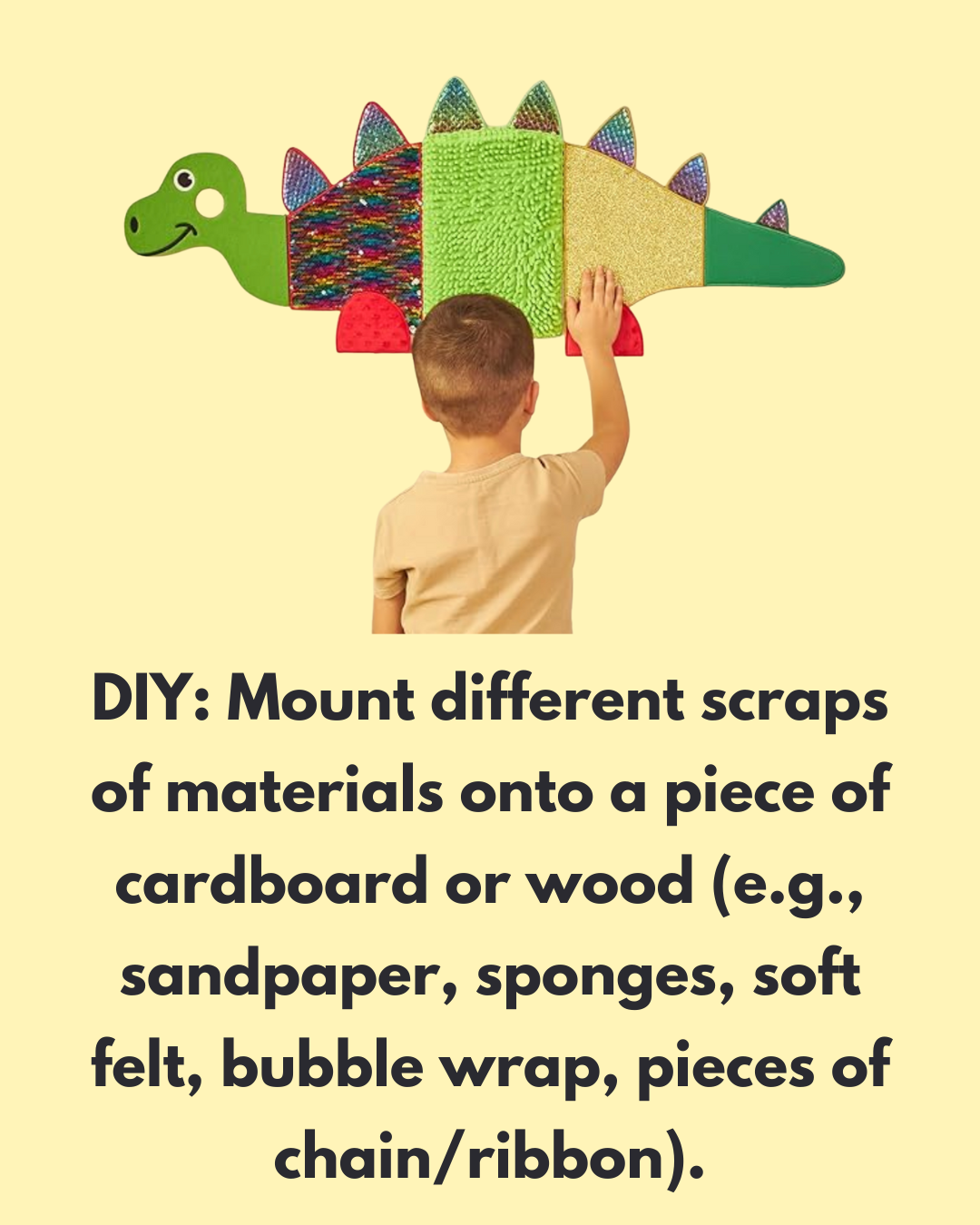
Understanding the early signs of sensory overload can be like spotting storm clouds before the rain. It’s about noticing subtle shifts that might hint at what’s coming next.
Spotting Body Clues
Imagine your child is playing, but suddenly they seem tense or distant. These are early body clues. You might notice them covering ears or rubbing their eyes. Each child shows signs differently. For my son Adrián, it starts with a slight frown and a shift in posture. He’ll pull at his shirt or tap his fingers. These small actions are his body’s way of saying, “Something is too much.”
It might feel daunting at first. But remember, you’re learning a new language together. Keep a journal if you need to, jotting down what you see and when. Over time, patterns emerge. These patterns become your guide, helping you predict and prepare.
Understanding Noise Sensitivity
Noise sensitivity is like having a radio turned up too loud. A sudden shout or a loud car horn can feel like an explosion. With Adrián, we noticed his shoulders tense with unexpected sounds. It’s common, especially in bustling environments like schools. The world feels overwhelming when every sound is a roar.
To help, consider noise-canceling headphones or earplugs. They’re like turning the volume down on the world. It’s also important to communicate with teachers about this sensitivity, so they can create a supportive environment. The goal is not to avoid noise entirely but to manage it. Remember, you’re not alone in this; many parents face similar challenges.
Choosing Regulating Tools

Once you recognize the signs, the next step is finding tools that help. It’s about creating a toolkit that feels like a security blanket for your child.
Building a Sensory Toolkit
A sensory toolkit is like a first aid kit but for feelings. It includes items that offer comfort during overwhelm. For Adrián, we have a small box with fidget toys, a soft cloth, and essential oils. He loves lavender—it helps him breathe and relax.
You can build your child’s toolkit with them. Ask what they find soothing. Maybe a favorite toy or a picture book. This process empowers them, giving them ownership over their comfort. It’s about having options that meet their needs in different situations.
Grounding Techniques for Kids
Grounding techniques help bring focus back to the present. They’re like anchors in a storm. One technique is the “5-4-3-2-1” exercise. Your child names five things they see, four things they can touch, three they hear, two they smell, and one they taste.
Another simple method is deep pressure input—like a gentle hug or squeezing a stress ball. These actions help calm the nervous system. Practice these techniques together, so they become familiar tools your child can rely on.
Compassionate Recovery
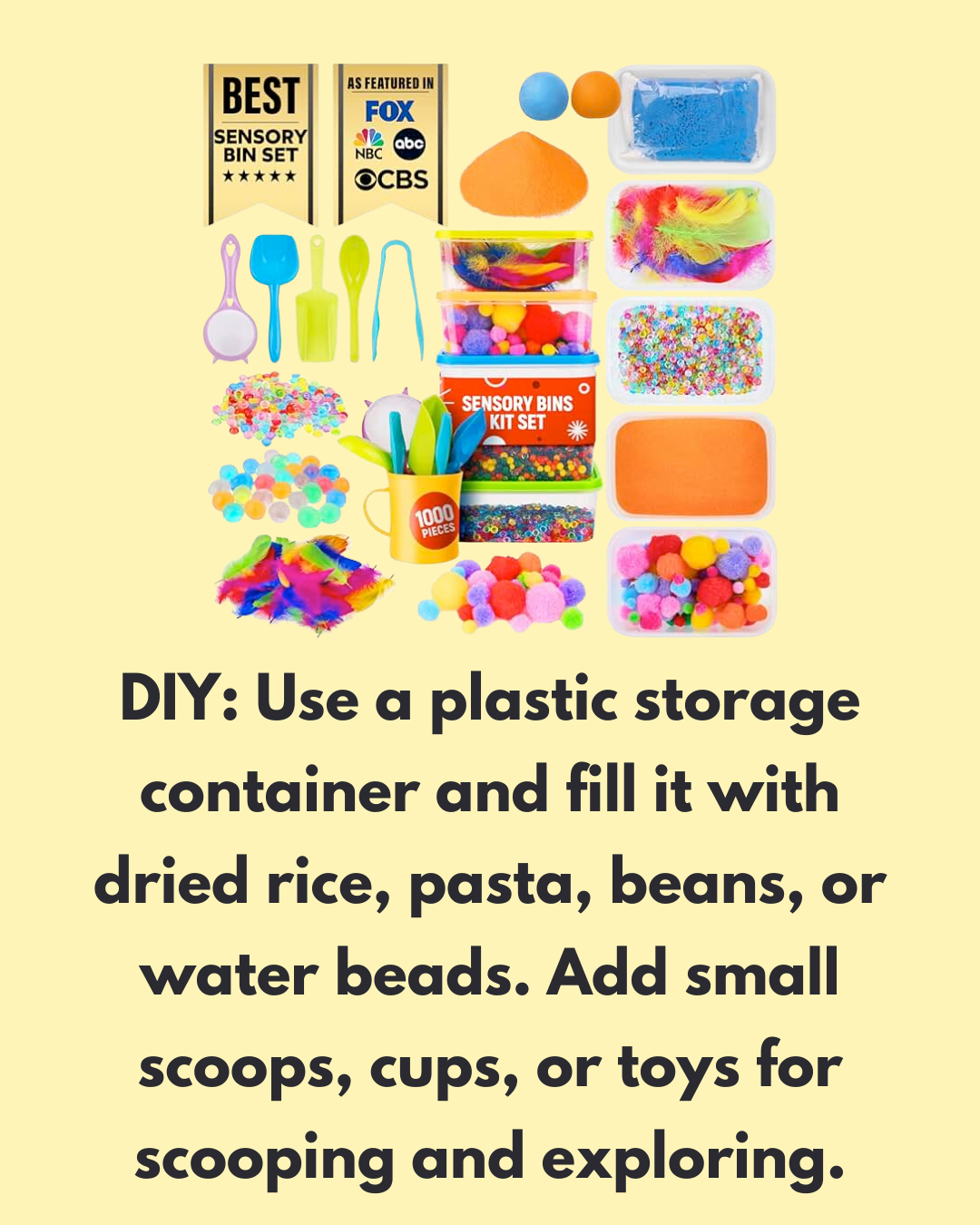
Recovery is about creating a space where your child feels safe to unwind and reset. It’s a moment of compassion that says, “It’s okay to feel this way.”
Creating a Family Calming Plan
A family calming plan is your shared blueprint for peace. It includes strategies everyone can use to support each other. For us, it starts with a quiet space at home. Soft lights, calming music, and a comfy chair where Adrián can retreat.
Discuss with your child what helps them feel safe. Maybe it’s a particular routine or activity. Then, write it down and stick it on the fridge. This plan becomes a reminder that everyone is working together toward calm.
Incorporating Sensory Breaks and Co-Regulation
Sensory breaks are short pauses to reset and recharge. They help prevent overwhelm before it starts. During busy days, schedule these breaks like you would meals. For Adrián, a walk outside or a few minutes with a favorite book makes a world of difference.
Co-regulation is about supporting each other. It’s when you help your child find calm by being present with them. You might sit quietly together, breathing in sync. These shared moments build trust and connection, reinforcing that you’re in this together.
🌟