



When the Story Sees You: How Authentic Autistic Voices in Children’s Books Build Real Connection
Most children’s books about autism miss the mark because they’re written by people who haven’t lived it. I’ve been there—watching my own boys hide pieces of themselves just to fit in. That’s why authentic autistic voices in children’s books matter so much: they create real connection by showing what it truly feels like inside. In this post, I’ll share how stories by autistic authors help kids feel seen, ease the pressure to mask, and build genuine empathy among families and classrooms.
Authentic Autistic Voices in Children’s Books
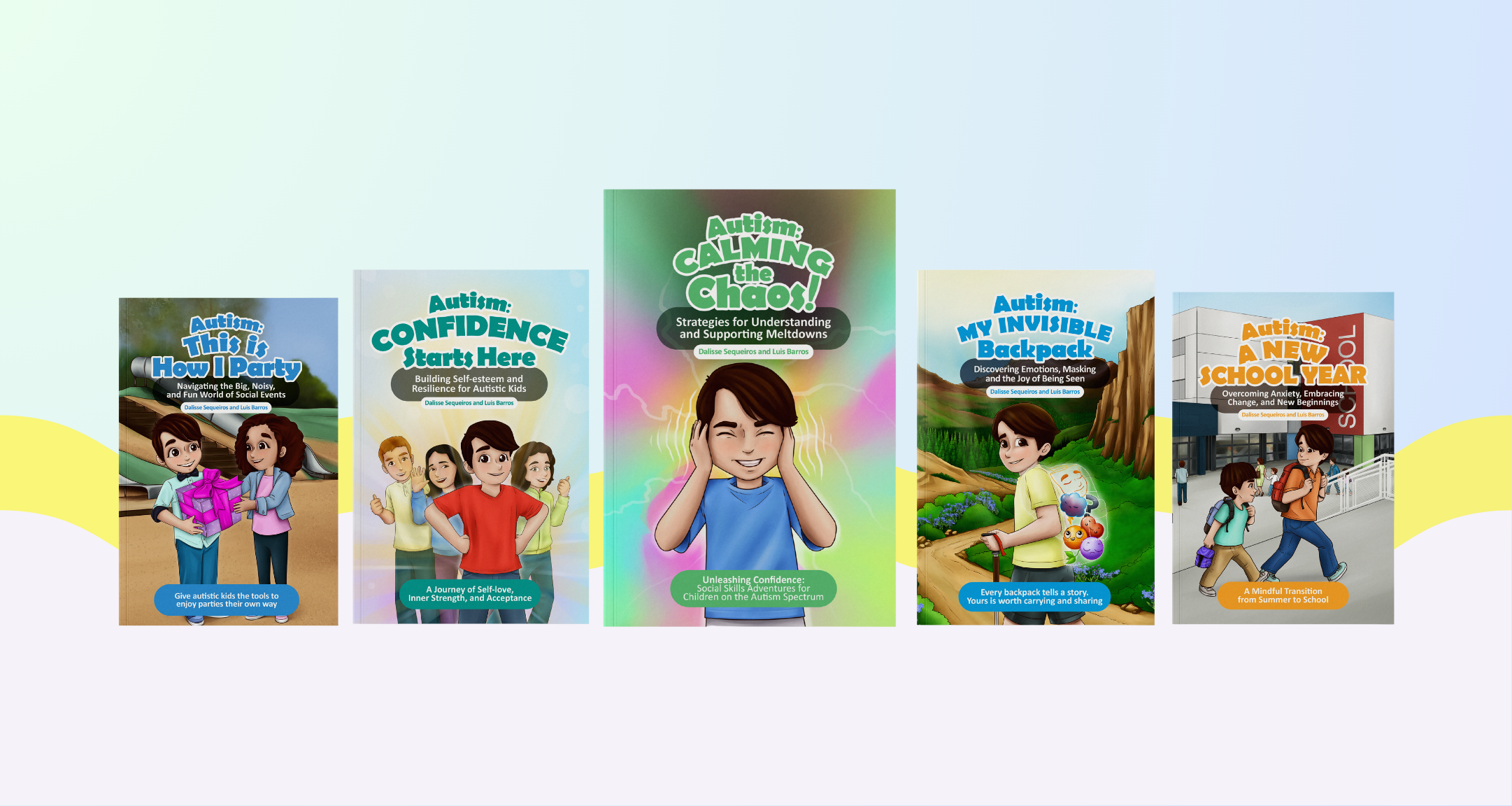
Stories told by those who have lived the experience offer a bridge to understanding. When autistic authors share their narratives, children find reflections of themselves that resonate deeply.
Creating Emotional Connection
Imagine the relief a child feels when they see their own thoughts and struggles mirrored back to them in a story. It’s like finding a kindred spirit in the pages of a book. These stories, born from real-life experiences, don’t just speak to autistic children—they speak for them. They offer a sense of belonging that many of us take for granted.
In one of our books, for example, Adrián shares his journey through a bustling city that feels too loud and too bright. Many children, and their parents, express how much they relate to his story, finding comfort in knowing they’re not alone. This emotional connection fosters a sense of security and understanding, crucial for any child trying to navigate a world that often feels overwhelming.
Reducing Masking Pressure
Masking, or the act of hiding one’s true self to fit in, can be exhausting for autistic individuals. Books that portray characters who embrace their authentic selves help reduce this pressure. When children see characters who thrive by being themselves, it sends a powerful message: it’s okay to be you.
I remember a young reader telling me how relieved she felt reading about Adrián. “He’s just like me,” she said, “and he doesn’t have to pretend.” This kind of representation is invaluable—it helps children understand that they don’t need to hide to be accepted and loved.
Building Genuine Empathy
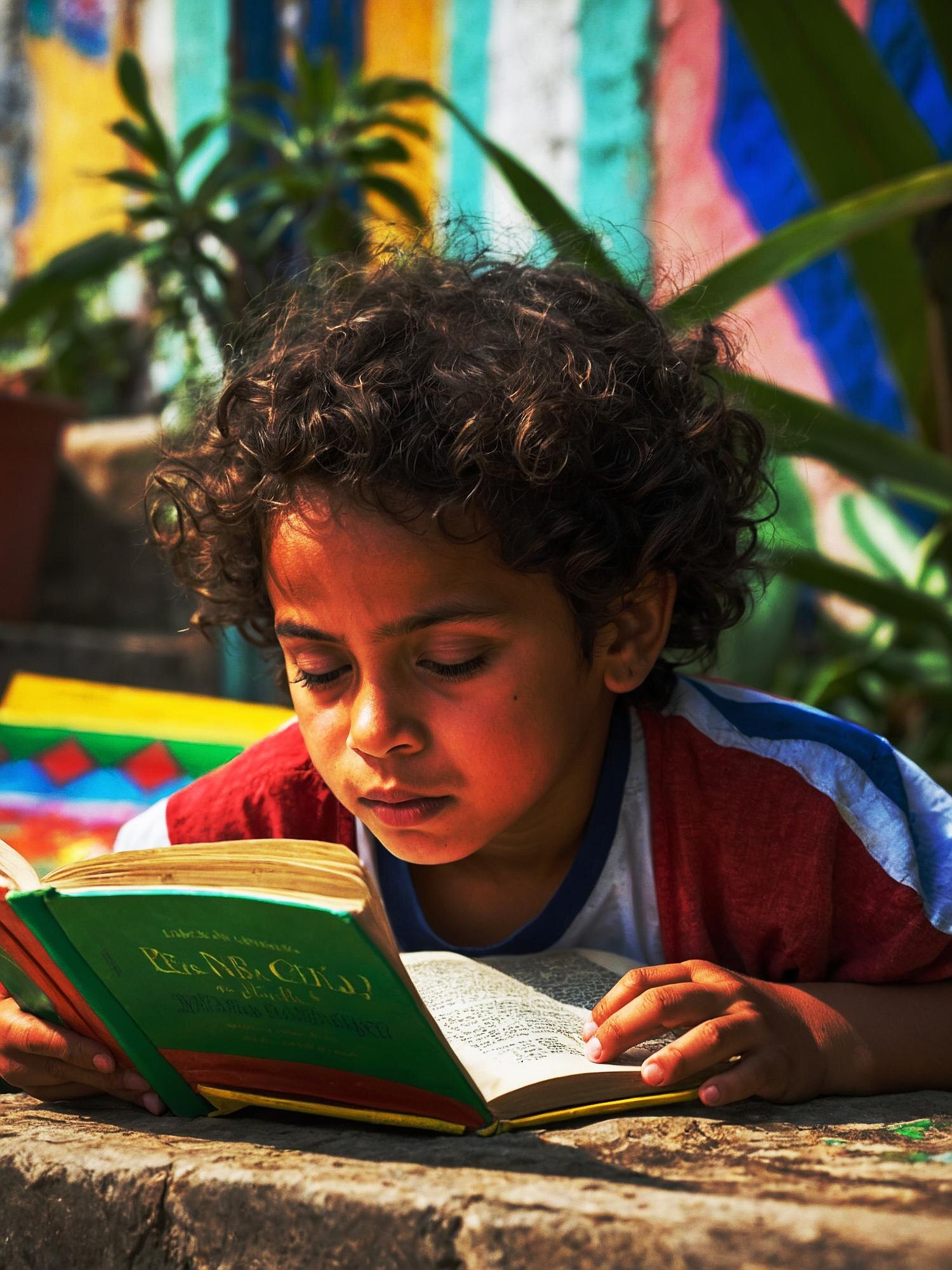
As we delve into the world of stories, we find opportunities to build bridges of empathy. Authentic narratives not only resonate with autistic children but also educate their peers, fostering a culture of understanding and acceptance.
Understanding Through Stories
Stories are powerful tools for understanding. When children read about characters who face similar challenges to their own, they learn empathy naturally. It’s one thing to be told about someone’s experiences; it’s another to step into their shoes through the magic of storytelling.
Take, for example, the tale of Guillermo, who learns to navigate social events in a way that feels comfortable for him. Through his eyes, children can see the world from a different perspective, growing their empathy muscles along the way. These stories don’t just educate—they transform the way children perceive and relate to one another.
Empathy-Building Tools for Classrooms
In classrooms, empathy can be nurtured through thoughtful engagement with stories. Teachers can use these books as springboards for discussions about diversity and acceptance. When students read about characters like Adrián and Guillermo, they’re more likely to develop compassion for peers who might experience the world differently.
Creating a classroom environment where every child feels valued begins with understanding. By integrating these stories into lessons, educators help foster a space where differences are celebrated rather than merely tolerated. This approach not only benefits autistic students but enriches the entire classroom community.
Practical Strategies for Parents and Educators
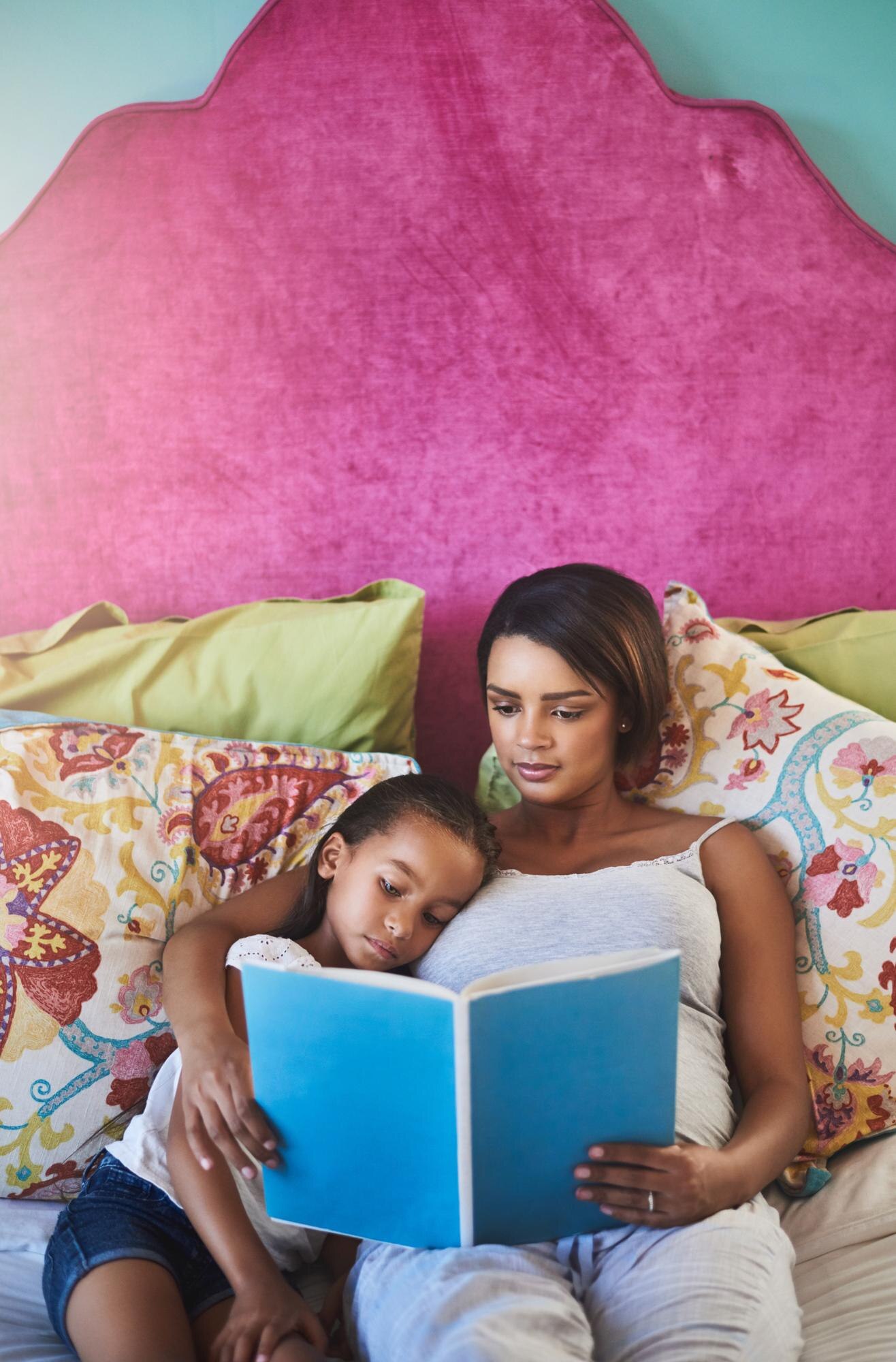
Turning insights into action is essential for fostering an inclusive environment. Let’s explore how parents and educators can utilize these stories to support autistic kids and encourage empathy.
SEL Activities for Autistic Kids
Social Emotional Learning (SEL) supports the emotional and social growth of all children. For autistic kids, SEL activities tailored to their needs can make a world of difference. Consider creating visual schedules that help children anticipate what’s coming next, reducing anxiety and increasing their comfort.
Activities like role-playing scenarios from their favorite stories can also help. When children act out scenes, they practice emotional regulation and develop deeper self-awareness. These activities are not just fun—they’re essential steps toward helping kids understand their feelings and responses.
Inclusive Classroom Resources for Autism
Educators can create a welcoming environment by incorporating inclusive resources. Books featuring autistic characters are an excellent start, but it’s also about how these resources are used. Teachers can develop lesson plans that integrate these narratives into broader discussions on diversity.
Consider setting up a classroom library with a variety of neurodiversity-affirming kids’ books. Encourage students to share their thoughts and reflections after reading. This approach turns literature into a tool for empathy and understanding, setting the stage for a more inclusive future.
In your journey, remember that every step towards understanding is a step towards a more inclusive world. Whether you’re a parent seeking to relate to your child or an educator aiming to create a supportive classroom, these stories are your allies. Let them guide you and your children towards a deeper understanding and appreciation of the beautiful spectrum of autism.
Check out our books and FREE Resources