



The Power of Authentic Autistic Voices in Children’s Literature: Building Empathy and Support for Families
Most children’s books about autism miss the mark because they speak about autistic kids, not with them. When authentic autistic voices shape children’s literature, something shifts—neurotypical peers begin to understand, and families find support that feels real. I’ve lived the frustration of searching for stories that reflect my sons’ world honestly, and I’m here to share why these genuine stories matter so much for building empathy and connection.
The Impact of Authentic Autistic Voices

When storytelling reflects genuine experiences, it bridges gaps in understanding. Authentic autistic voices in children’s literature do just that, creating a world where everyone feels seen and heard.
Building Empathy Through Stories
Have you ever seen a child light up when they recognize themselves in a story? It’s like magic. When autistic characters are portrayed with authenticity, neurotypical peers begin to see them as real, relatable individuals. This isn’t just about telling a story; it’s about fostering genuine connections. Imagine a world where children grow up understanding each other better because they’ve journeyed alongside characters who share real experiences. Such stories teach kids that differences are not barriers but opportunities for learning and friendship.
Supporting Families with Relatable Narratives
Imagine a parent, weary after searching for resources that truly resonate, finally finding a book where their child’s experiences are mirrored. It’s a sigh of relief, a moment of, “Yes, they get it.” Authentic stories offer families a sense of support, providing narratives that echo their own challenges and triumphs. These books become tools for parents to start conversations, to explain the world in a way that feels real and comforting.
Authentic Representation in Children’s Literature
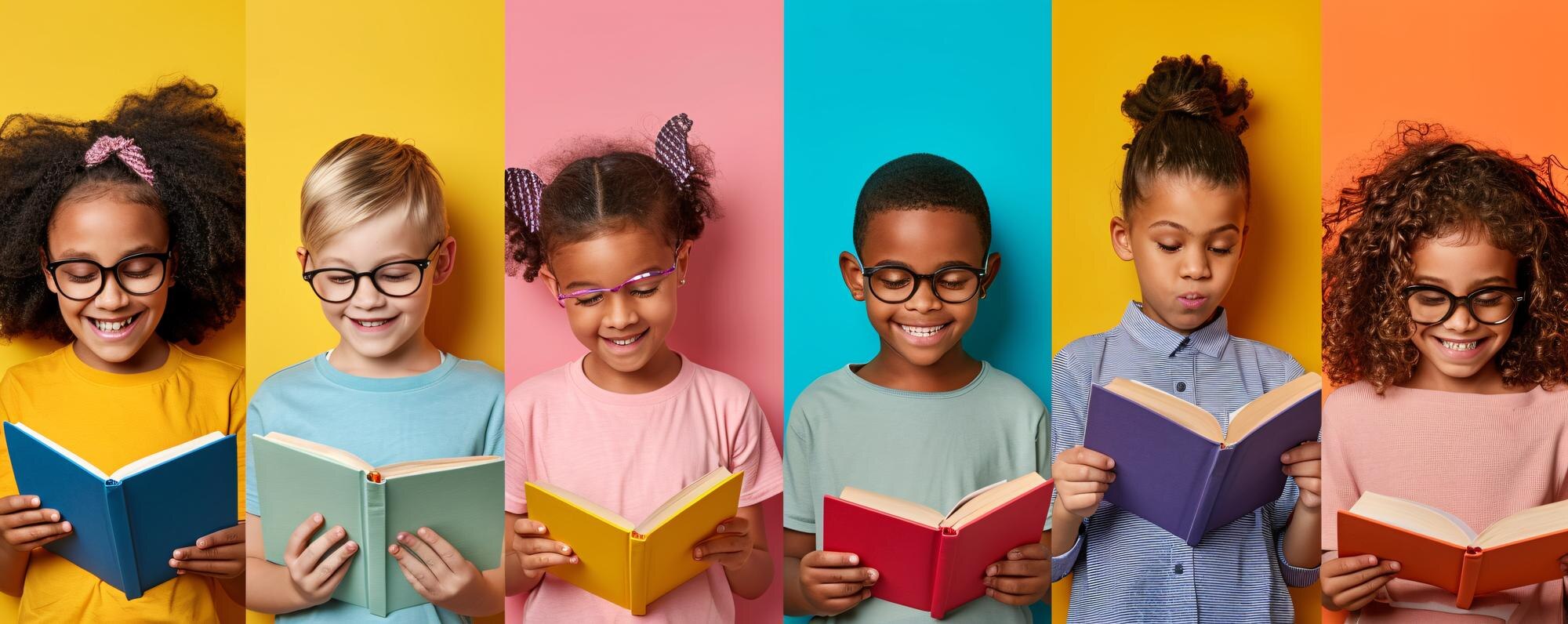
As we delve deeper into the realm of children’s literature, the power of seeing oneself in a story cannot be underestimated. Authentic representation is not just beneficial; it’s vital.
Mirrors and Windows for All Children
Books serve as mirrors and windows. For autistic children, seeing characters who think and feel like them is empowering. It’s a reminder that they are not alone in their experiences. At the same time, these stories act as windows for their neurotypical peers, offering glimpses into worlds they may not fully understand but can learn to appreciate. When a child reads about an autistic character who faces and overcomes challenges, it builds a foundation of empathy and understanding that extends beyond the pages.
Tools for Emotional Development
Authentic stories don’t just entertain; they educate. They become tools for emotional development, teaching children about emotions, empathy, and resilience. By reading about characters who navigate their unique challenges, kids learn to recognize and manage their own emotions. It’s a subtle yet powerful way to equip them with the skills they need to understand themselves and others better. Imagine the growth it sparks when a child sees a character using strategies to calm down or express their feelings—it’s a lesson in emotional intelligence wrapped in a story.
Fostering Inclusive Education

Inclusive education begins with understanding. By incorporating authentic autistic voices in literature, we lay the groundwork for a more empathetic and inclusive educational environment.
Encouraging Neurodiversity in Classrooms
Classrooms should be places where every child feels valued. By introducing stories that celebrate neurodiversity, we encourage students to appreciate differences. These stories challenge the typical narratives and promote a culture of acceptance and inclusion. Teachers can use these books as a springboard for discussions, helping students understand that every mind is unique and valuable. It’s about creating a learning space where diversity is not just accepted but celebrated.
Empowering Educators and Therapists
Educators and therapists play a crucial role in shaping young minds. By using literature that portrays authentic autistic experiences, they gain tools to further empathy and understanding in their practice. These stories become a resource, offering insights into the autistic experience that can inform teaching strategies and therapeutic approaches. When educators and therapists understand their students’ perspectives, they can better support their emotional and educational needs, creating a more inclusive and nurturing environment for all.
In conclusion, the power of authentic autistic voices in children’s literature is transformative. They build bridges of empathy, offer families support, and pave the way for inclusive education. By embracing these genuine stories, we create a world where every child can see themselves reflected and understood.