


When the World Feels Too Loud: Understanding Sensory Processing Differences in Autism
You know that feeling when you walk into a crowded mall during the holidays? The fluorescent lights buzzing overhead, a cacophony of voices bouncing off the walls, the overwhelming smell of cinnamon pretzels mixing with department store perfume?
Now imagine feeling that way in a regular grocery store. Or your own kitchen. Or sitting in a classroom.
This is the reality for many autistic children navigating sensory processing differences, and if you’re reading this, I’m guessing you’re searching for answers because someone you love is struggling with a world that just feels… too much.
I see you. And I’m here to walk alongside you on this journey.
The Day Everything Made Sense
Let me tell you about Emma (not her real name), a little girl whose mom reached out to me last year, exhausted and confused. Emma would have complete meltdowns at birthday parties. She refused to wear anything but one specific pair of pajamas. And grocery shopping? Forget about it.
“Everyone thinks I’m just a bad parent who can’t control her child,” her mom told me, tears in her eyes. “But I know something else is going on.”
She was right. And once we started unpacking Emma’s sensory processing differences, everything shifted, not because Emma changed, but because the adults around her finally understood what she’d been trying to communicate all along.

What’s Really Happening: Sensory Processing Decoded
Here’s the thing about sensory processing, we all experience it, but for autistic children, the volume knob is turned way up (or sometimes way down) on one or more of their senses.
Think of your brain as a filter. For most neurotypical people, that filter sorts through sensory information efficiently: “This is important. This can be ignored. This is background noise.” But for many autistic children, that filter works differently. Every sensation demands equal attention.
Research from occupational therapy studies shows that 60-90% of autistic children experience some form of sensory processing difference. This isn’t just being “picky” or “difficult”, this is their neurological reality.
What This Actually Looks Like
When I talk to parents, I often hear:
“She can’t stand the seams in her socks.”
“He covers his ears every time the blender runs.”
“Bright lights make her anxious and irritable.”
“He won’t eat anything except three specific foods.”
These aren’t behavioral issues, they’re sensory experiences that feel genuinely uncomfortable or even painful. Imagine wearing a wool sweater on bare skin all day, or listening to nails on a chalkboard during every conversation. That’s the level of distress some sensory inputs can cause.
And here’s what breaks my heart: many of these children can’t articulate what’s wrong. They just know something feels bad, and their bodies react with meltdowns, shutdowns, or avoidance.
The Grocery Store Story (And Why It Matters)
Remember Emma? Her grocery store meltdowns made perfect sense once we understood her sensory world.
The fluorescent lights flickered at a frequency most of us don’t consciously notice, but Emma did, and it felt like a strobe light. The refrigerator hum was painful to her ears. The smells from the bakery, seafood counter, and produce section all hit her at once. Strangers’ carts rattled. Someone’s perfume was overpowering.
She wasn’t being “difficult.” She was drowning in sensory input while trying to hold it together.
Once her mom understood this, they started shopping at opening time when it was quieter, Emma wore noise-canceling headphones, and they kept trips short with a clear plan. The meltdowns didn’t disappear overnight, but they became less frequent and less intense. Things that we have used with our son’s many times and we could share these strategies with Emma’s mom.
Because understanding changed everything.
Practical Strategies That Actually Help
Okay, so now you understand the why. Let’s talk about the what now.
Start With Detective Work
You can’t support your child’s sensory needs until you understand what those needs are. I know … easier said than done when your child is pre-verbal or can’t explain what’s bothering them (My youngest Guillermo now is in this stage).
Try keeping a simple sensory journal for a week. When does your child seem distressed? What’s happening in the environment? What do they gravitate toward when they need comfort?
You might notice patterns: meltdowns always happen after noisy environments, or your child seeks out tight spaces when overwhelmed, or certain clothing textures are consistently rejected.
Create a “Yes Space”
This is my favorite strategy, and I’ve seen it work wonders. Designate one area in your home as a sensory-safe zone, I call it a “yes space” because everything in it is a YES for your child’s sensory system.
For us, this meant:
-
Soft, dimmable lighting (they used string lights) Idea of lights here: https://lovingpiecesbooks.com/authors-picks/
-
A bean bag chair and weighted blanket https://lovingpiecesbooks.com/weighted-products/
-
A small basket of fidget toys and textured objects their son loved https://lovingpiecesbooks.com/sensory-toys-fidgets/
-
Noise-canceling headphones on a hook https://lovingpiecesbooks.com/ear-defenders-ear-plugs/
-
A small tent for extra coziness: https://lovingpiecesbooks.com/sensory-tents-dens/
When our son felt overwhelmed, he knew he could retreat there. No questions asked. No punishment. Just safety. We have this set in our play area.
Sensory Breaks Are Not Optional
I know you’re busy. I know schedules are tight. But here’s the truth: sensory breaks aren’t a luxury, they’re a necessity.
Think of it like this: if you were running a marathon, you wouldn’t skip water stations. Your child is running a sensory marathon every single day just existing in a world that’s not designed for their nervous system.
Build in short sensory breaks throughout the day:
-
10 minutes of jumping on a trampoline
-
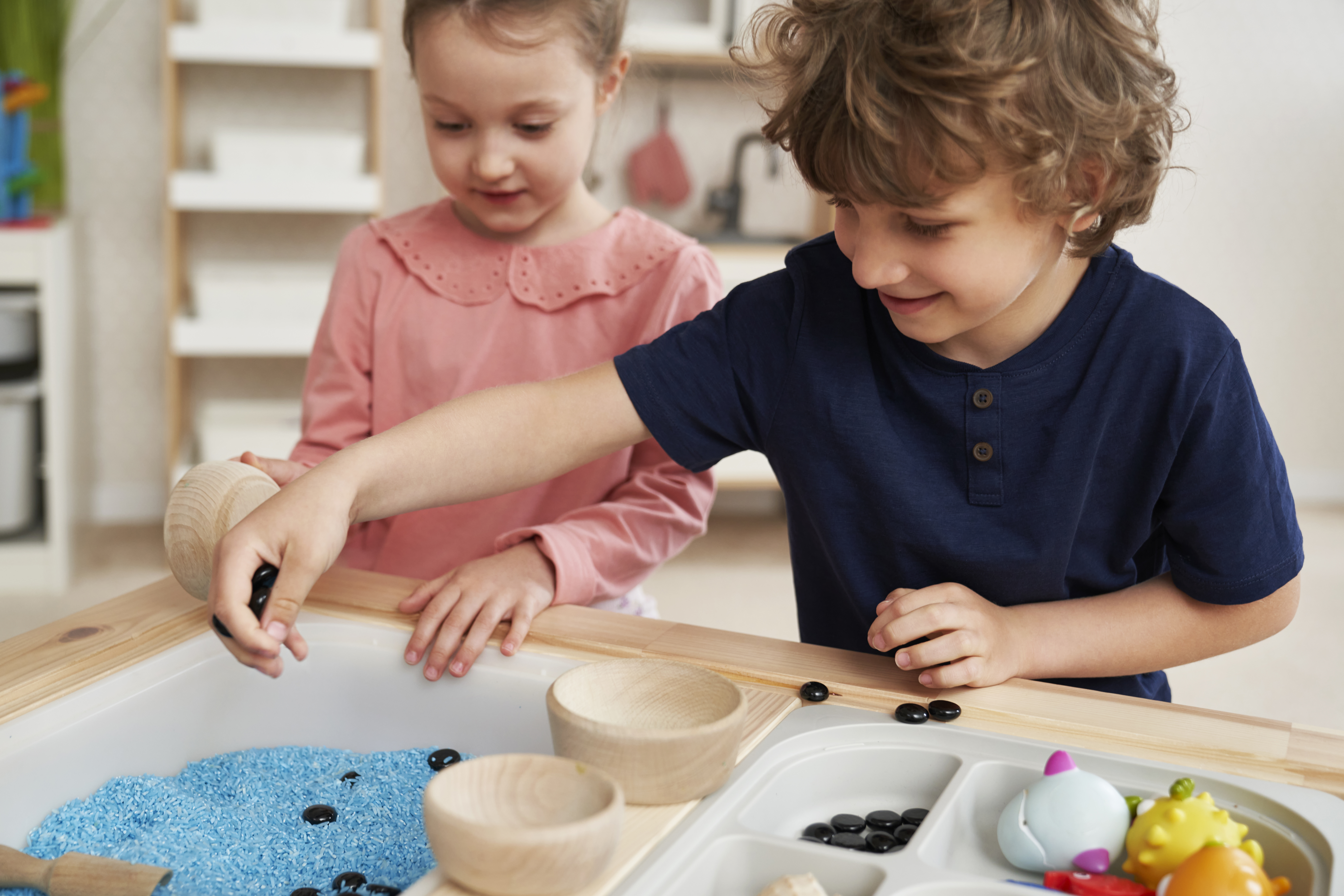
Playing with kinetic sand or play dough
-
Swinging
-
Pushing against a wall
-
Deep pressure activities (like a “sandwich hug” with pillows)
These aren’t just nice activities, they’re regulatory tools that help your child’s nervous system reset. Here are some of the products we use at home: https://lovingpiecesbooks.com/authors-picks/
The Headphones That Changed Everything
Can I share something vulnerable? I resisted getting my kids noise-canceling headphones for way too long because I worried about what other people would think. Would it make him stand out? Would people judge?
But you know what? The first time he wore them to his cousins play at her school he actually enjoyed the play instead of melting down, I realized my own discomfort was standing in the way of his comfort.
If noise is a trigger for your child, invest in good noise-canceling headphones. Let them wear them whenever they need to. This is accommodation, not avoidance. Here are some choices: https://lovingpiecesbooks.com/ear-defenders-ear-plugs/
Work With, Not Against
Here’s where I see parents (including myself, in my work) struggle: we try to “fix” sensory sensitivities instead of working with them.
Your child may never love loud environments. They may always prefer certain textures. And that’s okay.
Instead of forcing them to “get used to” things that cause genuine distress, we can:
-
Prepare them for sensory challenges ahead of time
-
Offer choices and control where possible
-
Respect their “no” about sensory inputs
-
Celebrate their courage when they try something challenging
Building a Village That Gets It
One of the loneliest parts of parenting an autistic child can be feeling like you’re constantly explaining, defending, or justifying your child’s needs.
Talk to the Teachers
I know it’s hard to be an advocate when you’re exhausted. But educators genuinely want to help, they just need to understand what your child needs.
Share specific information: For example: “Mia does better with flexible seating because sitting still at a hard desk is physically uncomfortable for her sensory system.” This is more helpful than “She can’t sit still.”
Ask about simple accommodations:
-
Can your child use a wobble cushion or standing desk?
-
Is there a quiet space they can use when overwhelmed?
-
Can they have a fidget toy during instruction time?
Many teachers are willing to make these adjustments, they just need to understand why they matter.
Educate Your Circle
I’ll be honest: some people won’t get it. They’ll think you’re “making excuses” or “being too soft.”
But many people like grandparents, friends, babysitters, genuinely want to understand and support your child. They just don’t have the language or knowledge.
Share articles (like this one!). Explain specific triggers. Give them concrete ways to help.
When my friend explained to her mother-in-law that her grandson’s refusal to hug wasn’t personal, it was sensory, their relationship transformed. Grandma started asking, “Would you like a high-five or a wave?” instead of forcing hugs. And you know what? Eventually, he started initiating hugs on his terms.
Empathy and Autism Parenting
What I Wish Someone Had Told Me
You don’t have to get this perfect. You’re going to have days where you forget the headphones, or you push too hard, or you’re so exhausted you can’t muster the patience you wish you had.
That doesn’t make you a bad parent. It makes you human.
What matters is that you’re here, reading this, trying to understand. That you’re committed to seeing your child’s sensory needs as real and valid. That you’re willing to make your home, your routines, and your expectations more flexible to accommodate their nervous system.
That’s love in action.
Small Steps, Big Impact
If you’re feeling overwhelmed right now, here’s what I want you to do:
Pick just one thing from this article. Maybe it’s creating a calm corner. Maybe it’s buying those noise-canceling headphones you’ve been considering. Maybe it’s just noticing your child’s sensory patterns this week without trying to fix anything.
Start there.
Because here’s the beautiful truth: when we make space for our children’s sensory needs, we’re not just reducing meltdowns (though that’s a nice side effect). We’re sending them a powerful message:
Your experience of the world is valid. Your needs matter. You don’t have to change who you are to deserve support.
Resources for Your Journey
Understanding sensory processing differences is just the beginning. If you’re looking for more support, I’ve gathered resources that have genuinely helped the families I learned with:
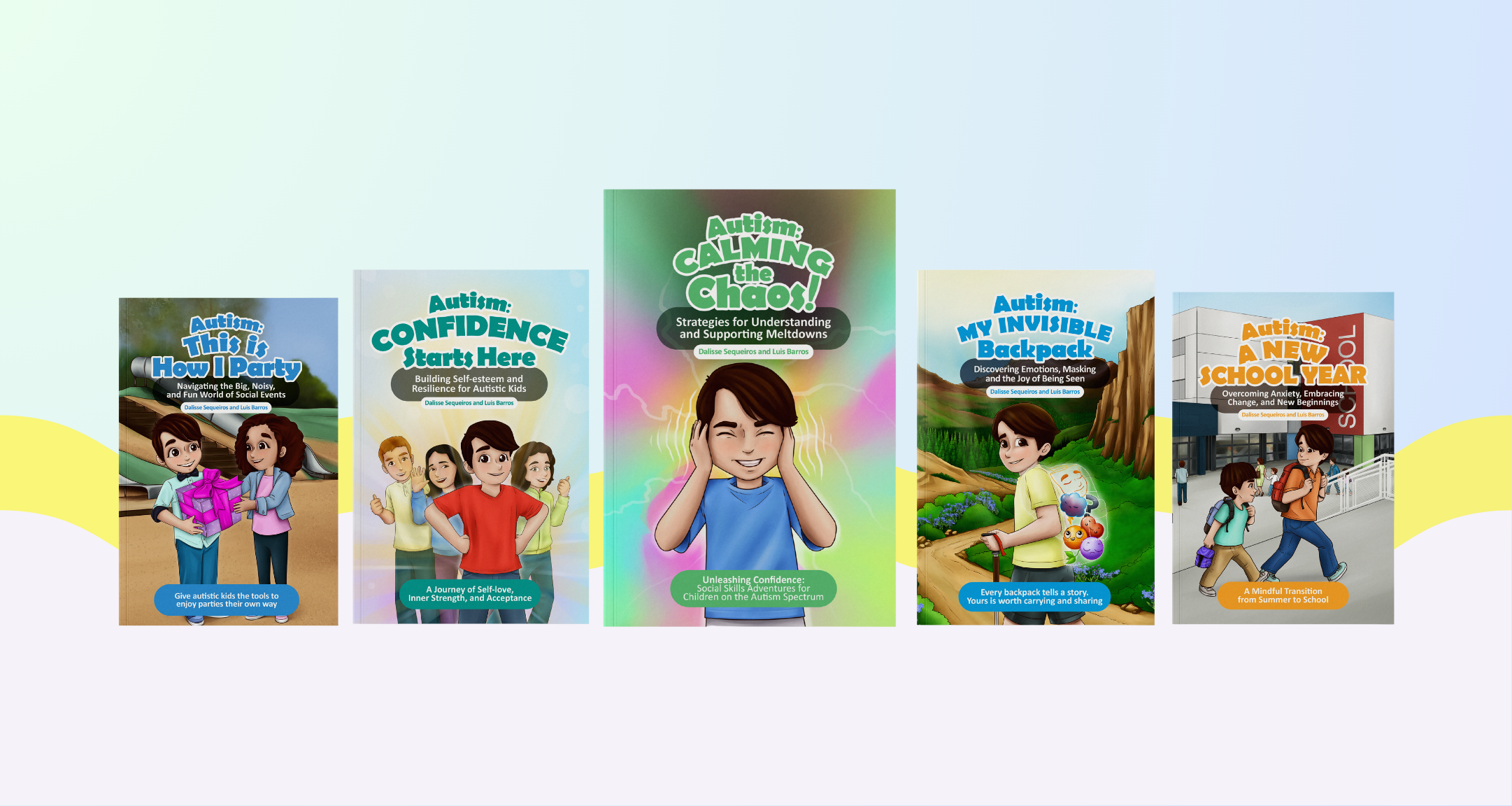
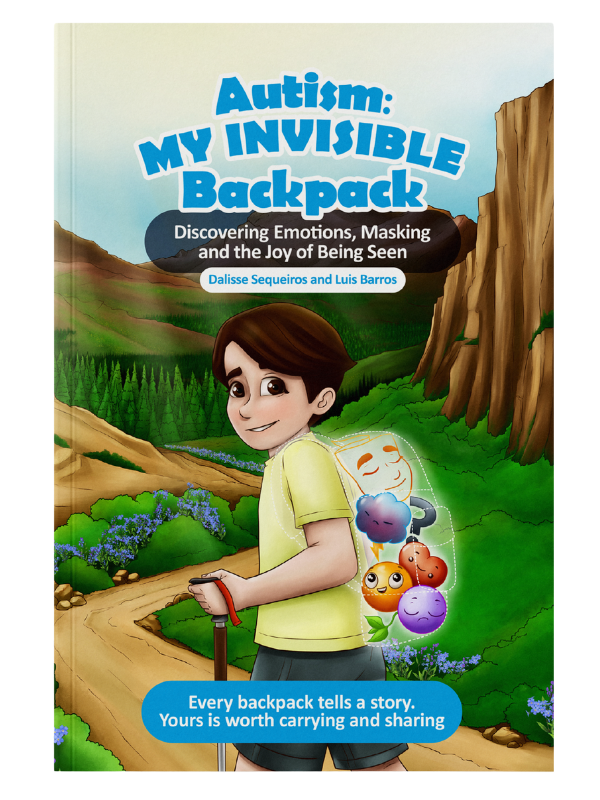
📚 Autism: Calming the Chaos by us Loving Pieces Books is the book that can open your eyes to sensory processing. It’s comprehensive yet accessible, perfect for kids to visually understand what sensory overload may look like and even though it’s a children’s book, parents can benefit from it specially if you are just starting to understand these differences.
And of course, I’ve created FREE sensory strategy guides and printables on Loving Pieces Books that you can download today, visual schedules, sensory break ideas, and accommodation request templates.
Your child’s sensory world may be different from yours, but it’s not wrong. It’s not something to fix or overcome. It’s simply how they experience life, and when we honor that, we create space for them to thrive as their authentic selves.
You’re doing an amazing job navigating this journey. Keep going. Keep learning. Keep advocating.
And remember: you’re not alone in this.
With hope and solidarity,
Dalisse
Loving Pieces Books
💙 What sensory strategy has been most helpful for your family? I’d love to hear your story, share in the comments below or connect with our community on Instagram @lovingpiecesbooks.
Check out our books and FREE Resources