
autistic children

  • Creating Inclusive Classrooms: Tools and Stories for Every Child

    I will be honest with you.

    I am not a teacher. I am a mom. I have navigated the overwhelm of therapies, the silence after a hard day at school, and the fierce hope that someone, somewhere in that classroom, truly sees my children for the brilliant, unique people they are.

    This comes from that place. The messy, loving, and sometimes lonely place of wanting your child to belong. It is built from my own desperate searches, heartbreaking setbacks, and the small, glorious victories that showed me what’s possible. So, from one parent to another, let us talk about real tools and stories that can help bridge that gap between hope and reality. You can read more about my heart behind this Blog.

    Tools That Actually Work in Real Life

    Creating a space where your child is understood means finding tools that speak their language and sharing them with the people in their world. This is not about fancy programs. It is about practical, tangible things that make daily life feel safer and more joyful.

    What You Can Share with Their Educators

    I remember walking into meetings feeling small, armed with a folder full of worries. What helped me find my voice was shifting from just explaining diagnoses to sharing what works for my kids at home, I have to say my kids teachers have really helped us.

    For Adrián, visual aids are everything. His anxiety melts when he knows what is coming next. I started making simple visual schedules for our home routines. I printed one out for his teacher, it was not a demand. It was an offering. “This helps him at home. Maybe it could help here, too?” That simple sheet of pictures became his anchor in the classroom chaos. And to my surprise they have been using them at school too! This is why it is so important to have an open communication with School.

    Then there are sensory tools. For Guille, it is a specific textured fidget. I bought an extra one, just for school. I told his aide, “This is not a toy. This is his steering wheel. It helps him navigate the day.” Framing it that way changed everything. It became a tool for success, not a distraction.

    My biggest piece of advice? Offer these not as criticism, but as collaboration. You are the expert on your child. You hold the missing pieces to the puzzle. You can be a super team with School Teachers and support staff.

    Resources for Your Own Toolkit (and Sanity)

    Parenting is relentless. You need resources that support you, not exhaust you.

    Start with story. I looked everywhere for books where my boys could see themselves. Not as a lesson, but as a hero. That search, and that gap, is why I eventually created Loving Pieces Books I needed stories that showed the world through their eyes, to give them that mirror and to give their peers and teachers a window.

    But you cannot pour from an empty cup. My most vital resource has been community. Finding other parents who get it, who do not need the backstory, who just say, “Yep, me too.” It is a lifeline. For tracking progress and making sense of it all, a simple app or even a dedicated notebook can help you see patterns and celebrate wins you might otherwise miss.

    Stories That Build Understanding, Not Just Awareness

    Concepts do not change hearts. Stories do. Here are a few from our own life that made a difference.

    A Small Victory That Changed Everything

    In first grade, Adrián was struggling during group reading time. The noise, the closeness, it was all too much. His wonderful teacher, Ms. Carmen, called me. Instead of listing problems, she asked, “What does he love? What makes him light up?” I told her about his obsession with space facts.

    The next week, she gave him a special job: to be the “Train Fact Captain.” During transitions, he could share one cool fact. It gave him a structured, celebrated way to participate. His peers did not see a kid struggling to cope. They saw an expert. They started asking him questions. It was a tiny shift that changed his entire social standing. It showed me that inclusion is not about forcing a square peg into a round hole. It is about reshaping the hole.

    What My Sons Have Taught Me

    Guille, my five year old, is largely nonverbal. For a long time, I equated his silence with not understanding. One day, he was upset, and I ran through my usual list of questions. “Hurt? Hungry? Tired?” Nothing. In my frustration, I just sat down on the floor next to him and sighed, “I just wish I knew what you needed, my love.”

    He stopped crying, crawled into my lap, and put his hand over my heart. Then he took my hand and put it over his own. He was not just telling me he loved me. He was telling me he felt my love, and he was giving his back. He taught me that communication is so much bigger than words. My job is not to make him talk. My job is to listen in every way he knows how to speak.

    Weaving Connection Into Everyday Life

    Social emotional learning is not a class. It is the fabric of how we connect. Here is how I try to weave it into our world.

    Fostering Empathy with Peers and Siblings

    This starts at home. With Adrián and Guille, we practice “feeling faces” in the mirror. We name emotions in movies. I explain Adrián’s need for quiet to his brother in simple terms: “Guille, Adrián’s ears are feeling too full right now. Let’s use our quiet voices.”

    For peers, stories are my number one tool. When I volunteer in class, I might read a book that features a character with sensory sensitivities. After, I simply ask, “Has anything ever felt too loud or too bright for you?” Kids always say yes. That shared moment of understanding builds a bridge. It makes my son’s experience relatable, not strange.

    Why I Wrote Books for This Very Moment

    This is the heart behind Loving Pieces Books I wrote the stories I needed but could not find. Stories where the autistic character is not a puzzle to be solved, but a friend to be made, a hero on a journey. I use them with my own boys, and I share them with their schools.

    They are conversation starters. They are peace offerings. They are a way to say to a teacher or a classmate, “This is his world. Let me show you how beautiful it can be.” The goal is to build a culture where differences are not just accepted, but embraced as part of the rich tapestry of the classroom.

    Remember, you are not just advocating for a seat at the table. You are showing them how your child makes the table better. Some days you will be a fierce warrior. Other days, you will be a tired human who just gets through. I have been both.

    If you are looking for a place to start, I invite you to explore our FREE Resources. It is a collection of simple tools and guides I made from our own journey, for the moments when you need a little backup. You are the best thing your child has. And you are not alone.

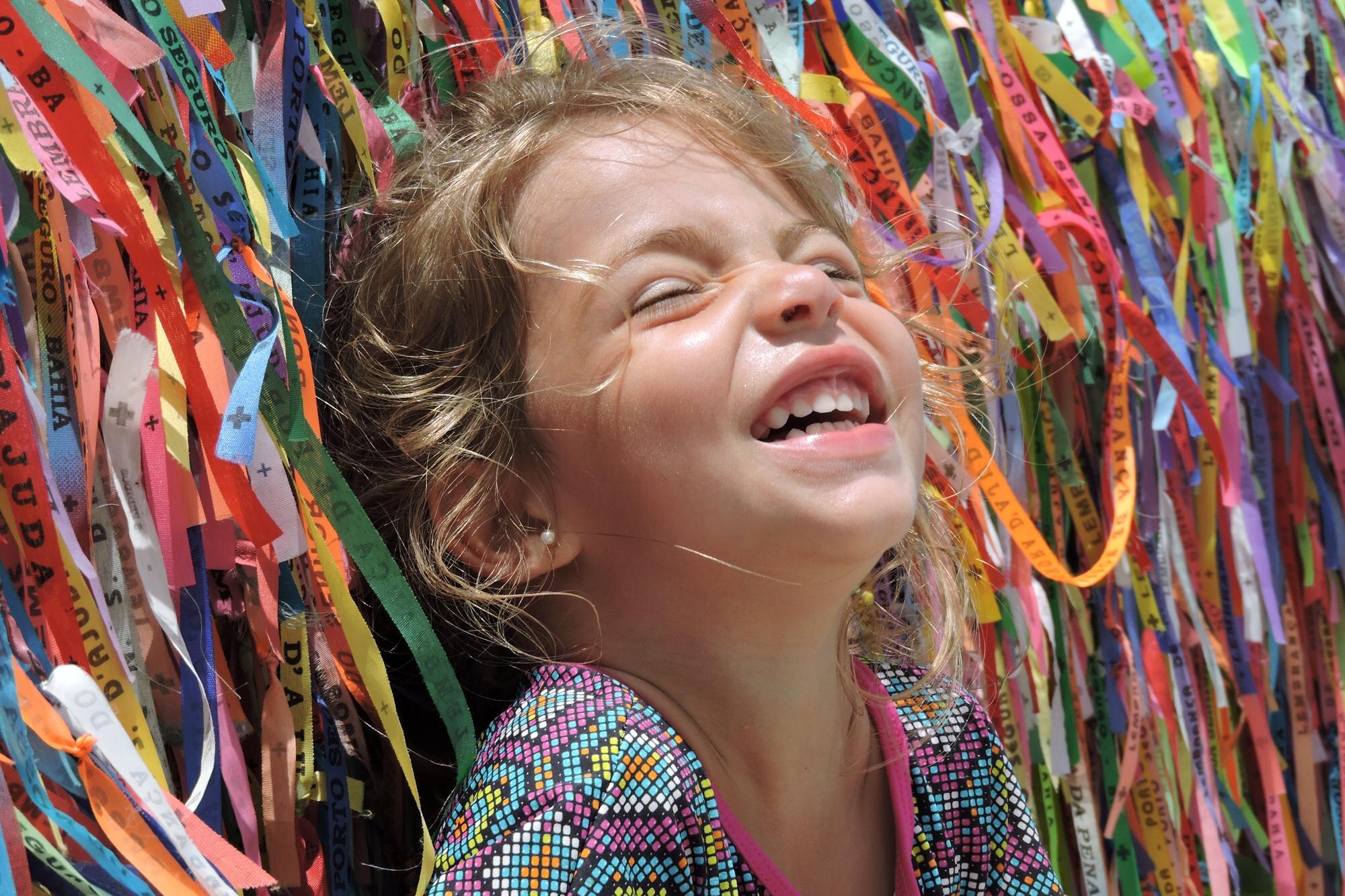
  • The Power of Storytelling: Building Confidence Through Real Autistic Experiences

    You have probably noticed it, too. How the shelves of children’s books are filled with stories that feel… distant. I remember sitting on the floor of the library with a young Adrián, my heart sinking as I flipped through book after book. There were stories about “being kind to everyone,” which is beautiful, but none where he could truly “see” himself. None where the character got overwhelmed by the hum of the lights, or communicated joy with their whole body, or saw the world in patterns as breathtaking and complex as he does.

    That relentless search, that ache for a story that felt like a reflection and not a lesson, is where this all began. Storytelling, the right kind of storytelling, isn’t just a bedtime routine in our house. It’s a lifeline. It’s how we build confidence from the inside out, by showing my boys that their experiences are valid, real, and worthy of being the center of a great adventure. You can read more about our mission behind this in our post.

    The Quiet Magic of Seeing Yourself in a Story

    Let’s be real. For our kids, the world can feel like a place that constantly asks them to adjust, to mask, to explain. A story that mirrors their inner world does the opposite. It *comes to them*. It speaks their silent language.

    The Gift of Validation

    Imagine Guille, my five-year-old, pointing to a picture in a book of a boy covering his ears at a birthday party. His eyes get wide, and he looks at me, then back at the book, and pats his own chest. “Yes, mi amor,” I say. “He hears it too. It’s loud.” In that moment, he isn’t “too sensitive.” He is understood. By a character, by a story, and by me.

    That is the first, most profound power of authentic storytelling: validation. It tells my children, “You are not alone in this feeling. Your experience is real, and it is part of a story.” For Adrián, reading about a character who infodumps about dinosaurs and then feels awkward about it didn’t make him feel awkward. It made him feel seen. It gave his own passionate way of loving things a name and a home in a narrative. That is a building block of confidence you cannot create with just praise. It has to be felt.

    Finding a Roadmap in the Pages

    Confidence isn’t just about feeling good. It’s about believing you can handle things. This is where relatable characters become gentle guides.

    I remember when Adrián was dreading a school field trip to a crowded museum. We read a story about a character who used a “secret mission” checklist (first floor, find the blue whale, then find the quiet corner for five minutes) to navigate a busy place. It was a story, just a fun tale. But the next week, he asked if he could make a checklist for the museum. The story didn’t lecture him about coping strategies. It showed him a hero using one. It gave him a roadmap, disguised as an adventure. He felt in control, not because I told him he would be okay, but because a character he trusted had shown him how.

    More Than a Book: A Tool for Connection

    In our house, the right book is less about literature and more about a toolkit for understanding, for my boys, for me, and for their world.

    Building the Language for Feelings

    Before stories, frustration was a tornado in our house. Guille would cry, Adrián would shut down, and I would be left guessing. Stories gave us a common language. We read about a character who felt like a “soda bottle shaken up.” Now, when Adrián feels that bubbling overwhelm, he can sometimes say, “I’m a soda bottle, Mom.” That is huge. That is self-awareness, born from a metaphor in a picture book. It turns a confusing internal storm into something we can name and, therefore, something we can begin to manage together. Even Social stories hand-drawn work!

    Creating Bridges to Their World

    This is perhaps the most hopeful part. These stories aren’t just for my kids. They are for their peers, their teachers, their extended family. When I share our Loving Pieces Books with Adrián’s class, I’m not asking the kids to be nice. I’m inviting them into a fascinating, different perspective. I’m showing them why Guille might need to jump to feel calm, or how Adrián’s detailed memory works like a super skill.

    It transforms “that weird thing he does” into “oh, that’s how he works.” It builds empathy not from obligation, but from understanding. It helps create a supportive community around them, one curious reader at a time.

    This Is Why I Do What I Do

    I am not a children’s author by trade. I am a mom and along with my husband got tired of not finding the stories our sons deserved. We wrote the books needed in those lonely library aisles. I personally wrote them for the moms and dads who are searching for that mirror. I wrote them for the teachers who want to connect but need a doorway in. Most of all, I wrote them for the Adrian’s and Guille’s, to whisper through the pages: You are the main character of this story. Your way of being is not a side plot. It is the magic itself.

    If this resonates with you, if you are also searching for that authentic reflection for your child, I invite you to explore our book series, It’s a collection of stories and guides born from our real, messy, beautiful life a place to start when you’re ready to see your child’s story celebrated.

    Remember, the most powerful story you will ever help write is the one your child believes about themselves. Let’s make it a good one.

  • Quick Calming Strategies for Sensory Overload: A Lifeline for Autistic Children

    Let me paint you a real picture, one I know you’ve probably lived. It’s the middle of a busy grocery store, and everything is fine until it’s not. The flickering fluorescent lights, the screech of a cart, the perfume sample from two aisles over, it all crashes in at once. And there is my son, Guille, his hands clamped over his ears, his body rigid, eyes wide with a panic that tells me he’s drowning in a sensory storm I can’t fully see. Oh how I dreaded running to the store with him, I was always in alert!

    In that moment, your heart splits in two. One half feels the stares (real or imagined), the pressure to “calm him down.” The other half is screaming inside, wanting to wrap him in a bubble of quiet and just make it stop. I’ve been there on that hard floor, literally and metaphorically, more times than I can count.

    This isn’t about perfect, clinical solutions. It’s about the lifelines, the quick, desperate, often messy strategies we pull from our pockets when the world becomes too much. These are the ones that have worked in the trenches for Adrián, now 11, and Guille, 5. Let’s talk about real tools for real moments. You can find more on this in our post.

    First, Just Breathe (Yes, You, Too)

    Before we help them, we have to ground ourselves. I know the guilt, the fear. Take a breath with me. Your calm is their anchor, even if it feels like you’re faking it.

    Learning Their Secret Language of Overload

    For a long time, I missed the signs until it was too late. I thought a meltdown was just “bad behavior.” Then I learned to read their unique dialects of distress.

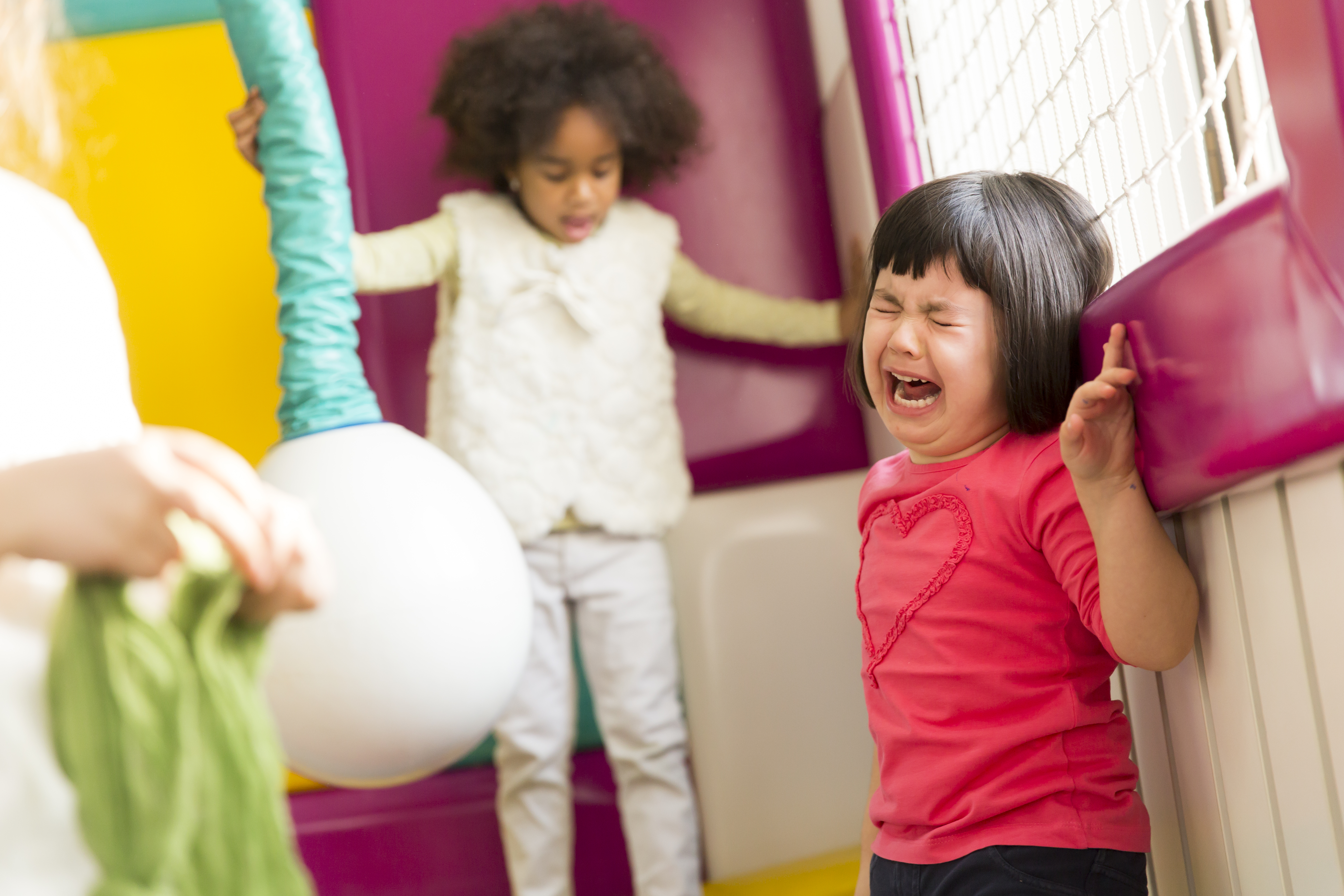
    For Adrián, it starts with a whisper. He goes quiet, his jokes stop. He might start rubbing the same spot on his arm. That’s his early warning system. Guille’s is different, a building hum, a restless pace, his hands starting to flap with more urgency, and then comes the full blow meltdown, hitting (himself and us), crying, trying to run…. Your child has had at least one meltdown too. It might look different than ours, could be just be covering their ears, seeking a tight corner, zoning out, or their skin becoming sensitive to touch. The first, most crucial strategy is becoming a detective of their calm. What does the “weather change” look like in their body before the storm hits? Catching it then is our golden window.

    Knowing the Triggers (So You Can Sometimes Dodge Them)

    We can’t avoid all triggers, life happens. But knowing them is half the battle. The usual suspects are there: loud, unpredictable noise (school cafeterias, I’m looking at you), harsh lighting, overwhelming smells, and too much tactile input, and for us was changes in routines.

    But then there are the secret ones. For Adrián, it’s the mix of smells in a bakery. For Guille, it’s the feeling of a seam in his sock. Keeping a simple mental (or actual) note of what leads to a hard moment helps us prepare. It’s not about building a bubble, but about giving them, and us, a heads-up.

    The In-The-Moment Toolkit: What Actually Works

    These are not grand interventions. They are small, portable acts of rescue. We mostly talk about them in our book Autism: Calming the Chaos

    The Power of a Co-Regulated Breath

    Telling a child in meltdown to “just breathe” is like telling someone on fire to relax. It has to be modeled, and it has to be physical. I get down on Guille’s level. I put my hand on my own chest and take a loud, exaggerated, slow breath in through my nose and out through my mouth. “Breathe with Mama,” I’ll say, my voice low and slow. Sometimes he ignores me. Sometimes, his little chest starts to mirror mine. We call it “dragon breaths” (exhaling hard) or “flower breaths” (smelling a flower, then blowing out a candle). We practiced this during calm times, so in crisis, his body sometimes remembers.

    The Instant Safe Space: Creating a Haven Anywhere

    We can’t always get to a quiet room. But we can create a micro-haven.

    • The Hoodie Hideout: Pulling up the hood of a soft hoodie can instantly dim the visual and auditory world.

    • The Lap Cave: If they allow touch, sitting on the floor and inviting them into your lap, with their back to your chest, can create deep pressure and block out visual chaos.

    • The Go-Bag Essentials: My purse always has noise-canceling headphones (the kid-sized ones are a game-changer), a favorite fidget (for us, it’s stretchy ropes), and a small, strong-smelling item like a vial of vanilla or a mint. A potent, familiar smell can anchor a brain that’s lost in sensory chaos.

    For more specific, curated tools that have been lifesavers for us, I’ve put together a list of our Sensory Recommended Curated Amazon Finds. These are the exact items that have earned a permanent place in our calming toolkit.

    Building Their Own Inner Regulation, One Brick at a Time

    The goal isn’t for us to always be the firefighter. It’s to hand them the hose, bit by bit.

    The Security of Predictability

    Routine is the scaffold that holds up my boys’ days. A visual schedule (pictures for Guille, words for Adrián) isn’t about rigidity; it’s about safety. Knowing what comes next lowers the background anxiety that makes sensory overload more likely. We even include “quiet time” and “sensory break” as non-negotiable blocks on the schedule. It legitimizes their need to recharge.

    Giving Feelings a Name and a Home

    After the storm passes, when we’re both soft and tired, we talk. We use the language from our Loving Pieces Books. “Remember when the character felt like a shaken soda bottle? Was it like that?” I give them the words: “Your senses were too full.” I validate: “That is so hard. Your brain was taking in too much information.” This does two things: it tells them their experience is real and understandable, and it begins to build a narrative around it. Over time, Adrián has started to say, “I’m getting too much input. I need my headphones.” That is empowerment. That is the goal.

    This journey is a series of small rescues and tiny victories. Some days, the strategy works. Some days, nothing does, and you just ride the wave with them, your presence the only anchor. That is enough. You are enough.

    For more tools and a deeper dive into creating a supportive world for your child, I invite you to explore our FREE Resources. It’s a collection born from our lived experience, for when you need a little hope and a practical idea.

    You are not managing a behavior. You are protecting a sensitive, brilliant nervous system. And you’re doing an incredible job.

  • Creating Mask-Free Zones: A Loving Approach to Authenticity at Home and School

    The Day They Told Me Adrián Was “Acting Normal” at School

    A good friend of Adrián told me at pick-up “Adrián, Is SO tired, but he was acting normal all day.”

    “What do you mean, ‘acting normal’?” I asked..

    “You know… making eye contact. Not stimming. Sitting still. Acting like other kids.”

    My heart broke. Because I realized: my son was masking. And he was exhausted from it.

    That conversation changed everything for our family. It’s why Luis and I became obsessed with creating mask-free zones, spaces where Adrián (and now Guille) never have to pretend to be anything other than exactly who they are.

    If your autistic child is exhausted, withdrawn, or having meltdowns after seemingly “good” days, masking might be why. And creating mask-free zones might be the answer.

    What IS Masking? (And Why It’s So Exhausting)

    Masking is when autistic people hide or suppress their natural autistic traits to fit in with neurotypical expectations.

    It looks like:

    • Forcing eye contact when it’s uncomfortable

    • Suppressing stims (no hand-flapping, no rocking, no vocal sounds)

    • Scripting conversations instead of speaking naturally

    • Pretending to understand social cues they actually don’t get

    • Hiding sensory sensitivities

    • Mirroring others’ body language and expressions

    • Acting interested in things they find boring.

    And here’s the cost: It’s exhausting!

    Imagine spending every moment of your day monitoring your body language, your facial expressions, your tone of voice. Imagine suppressing your natural movements and responses. Imagine translating every social interaction like you’re speaking a foreign language.

    That’s what masking feels like. And that’s what Adrián was doing all day, every day, at school.

    Why Kids Mask

    Adrián didn’t consciously decide one day to start masking. It happened gradually.

    He learned that:

    • Adults praised him when he made eye contact

    • Kids stopped staring when he stopped stimming

    • Adults thought he was “doing better” when he sat still

    • People were nicer to him when he “acted normal”

    So he learned to hide who he really was to make others more comfortable.

    And the heartbreaking part? He thought this was what he was supposed to do…

    The Signs Your Child Might Be Masking

    I didn’t recognize Adrián’s masking for years because at school, he seemed “fine.” His teachers said he was doing well. He wasn’t having meltdowns there…

    But at home? Different story.

    The After-School Collapse

    Within 20 minutes of getting home, specially in the early years Adrián would have a meltdown. Over tiny things, wrong snack, homework, his brother existing……

    I thought, “Why does he save all this for me?”

    Now I know: He was holding it together all day, and home was the only place safe enough to fall apart.

    The Weekend Shutdown

    Fridays through Sundays, Adrián would barely speak. He’d retreat to his room, avoid family activities, resist any plans.

    I worried he was depressed…

    But he was recovering from a week of masking. He needed that quiet, that solitude, that lack of demands.

    The Loss of Authentic Interests

    Adrián stopped talking about trains at school, his biggest passion, because other kids didn’t share that interest……

    He’d come home and talk about popular shows he didn’t even like, repeating things he’d heard other kids say……

    He was losing himself trying to fit in.……

    Physical Symptoms

    Headaches. Stomach aches. Trouble sleeping. These all increased during the school year and eased during breaks.

    Masking isn’t just emotionally exhausting, it’s physically draining.

    Creating Mask-Free Zones at Home

    Once I understood what was happening, Luis and I committed to making our home a place where masking was never necessary.

    Rule #1: Stimming Is Always Welcome

    Before: “Adrián, hands still.” “Stop making that sound.” “Sit properly.”……

    Now: Our home is a stim-friendly zone. Hand-flapping? Great. Vocal sounds? Go for it. Pacing while thinking? Perfect.

    We don’t just allow stimming, we celebrate it as part of who he is.

    Guille watches his brother stim freely and is learning that his own stims (spinning, jumping, echolalia) are perfectly okay too.

    Rule #2: No Forced Eye Contact

    In our home, you never have to look at someone to show you’re listening. ( I do this all the time as an Autistic Adult)

    Luis and I have learned to trust that Adrián is paying attention even when he’s looking away, building LEGO, or lying on the floor.

    Sometimes his best conversations happen while he’s doing something else with his hands.

    Rule #3: Honest Answers Are Valued

    “How was your day?”……

    Before, Adrián would say: “Fine.”…

    Now, he might say: “Loud and overwhelming. I’m glad to be home.”

    We don’t pressure him to be positive or polite. We want honesty. Even if that honesty is “I don’t want to talk about it right now.”

    Rule #4: Special Interests Are Treasured

    Adrián can talk about Roman history for an hour, and we listen. Not politely waiting for him to finish, but actually interested because his passion is beautiful.

    When he brings home a new fact about steam engines, we don’t redirect. We engage.

    His special interests aren’t annoying quirks to manage. They’re windows into what makes him amazing.

    Rule #5: “No” Is a Complete Sentence

    Family gathering? “Can I stay home?”…… Trying a new food? “No thanks.”…… Hug from a relative? “I’d rather not.”……

    In our home, Adrián doesn’t have to justify his boundaries. We trust that he knows what he needs.

    The Physical Space Matters Too

    Adrián’s room is his ultimate mask-free zone:

    • Dim lighting (he controls it)

    • His collections displayed proudly (trains, historical figures, maps)

    • Comfortable clothing only (tags cut out, soft fabrics)

    • Sensory tools within reach

    • No expectations for organization (his “mess” makes sense to him).

    This is HIS space. We don’t impose our neurotypical preferences on it.

    What About School? (Can We Create Mask-Free Zones There?)

    Here’s the harder truth: school is where masking happens most intensely.

    But Luis and I have worked with Adrián’s teachers to create moments of mask-free time, even in that environment, they are experienced and have given us peace of mind and working along with the therapists and us parents has been a life-saver:

    What We’ve Agreed together (Teacher-Therapist-Parents):

    ✓ Fidget tools during class – Adrián can use a fidget while listening. It helps him focus, not distract him……

    ✓ Movement breaks – Built into the schedule, not earned through “good behavior”……

    ✓ Alternative seating – Specially younger, Adrián uses a wobble cushion instead of sitting rigidly still……

    ✓ Reduced eye contact expectations – His teacher understands he’s listening even when not looking……

    ✓ A quiet lunch option – Instead of the overwhelming cafeteria, he can eat in the library with a small group……

    ✓ Special interest integration – When possible, assignments connect to his interests (he did a history project on trains and thrived)……

    ✓ Acceptance of stims – As long as he’s not disrupting others’ learning, his stims are welcomed……

    The Conversation With Teachers

    Luckily we never tiptoe around asking for accommodations, worried about being “that parent.”……

    We believe a honest and truthful conversation with teachers is the best way to go.

    “Adrián masks heavily at school to meet neurotypical expectations. It’s exhausting for him and leads to meltdowns at home. Can we work together to reduce the need for masking during the school day?”

    You might find that some teachers get it immediately. Others need ideas and tips. But starting the conversation has made a huge difference……

    For Educators: How to Create Mask-Free Moments

    If you’re a teacher reading this, here’s what would help autistic students in your classroom:……

    Start With Awareness

    Recognize that the “well-behaved” autistic student who never causes problems might be masking intensely, and paying a huge price for it.

    Build In Regulation Time

    Don’t make breaks something kids have to earn. Build them into the day for everyone.

    Adrián’s best teacher had a “sensory break” built into the schedule every 90 minutes. ALL students benefited, not just the autistic ones.

    Challenge Your Own Expectations

    Does a student really need to make eye contact to show respect? Do they really need to sit completely still to be learning?

    Often, we’re requiring masking without realizing it.

    Create Quiet Options

    Not every child thrives in group activities or loud environments. Having a quiet alternative isn’t “special treatment”, it’s meeting different needs.

    Celebrate Neurodiversity

    When you openly value different ways of thinking, moving, and being in your classroom, you send the message that masking isn’t required.

    Display neurodiversity-affirming posters. Read books with autistic characters. Talk about different learning styles as equally valid.

    This benefits all students, not just autistic ones.

    The Cost of Masking (Why This Matters So Much)

    I want to be clear about something: masking isn’t harmless.Research shows that prolonged masking is linked to:

    • Burnout and exhaustion

    • Anxiety and depression

    • Loss of identity and sense of self

    • Delayed recognition of one’s own needs

    • Increased risk of suicide in autistic adults..

    When Adrián tells me he is “tired of acting normal,” that was a warning sign……

    Creating mask-free zones isn’t just about comfort. It’s about mental health. It’s about allowing our kids to know and be themselves.

    What You Can Do Today: 5 Steps to Honor Your Child’s True Self

    These are the shifts I wish I had made sooner. They’re not about fixing your child, but about changing the environment to let their true self shine.

    1. Recognize the Masking
    Notice the pattern of “good days at school / meltdowns at home.” It’s not defiance, it’s often the exhausting cost of masking all day. That meltdown is the backpack of anxiety finally being unpacked.

    2. Declare Home a Mask-Free Zone
    Tell them, explicitly and often: “You never have to hide who you are in this house.” This verbal permission can be a profound relief.

    3. Model Your Own Authenticity
    After my own diagnosis, I stopped masking my own autistic traits at home. When he saw me stim, or need quiet, or be blunt about my feelings, it gave him silent, powerful permission to do the same.

    4. Advocate Boldly, Not Apologetically
    I was too worried about being a “difficult parent.” I wish I’d pushed harder, sooner, for the supports he needed. You are not being difficult; you are being necessary.

    5. Celebrate, Don’t Just Tolerate
    Move beyond allowing his traits to actively celebrating them. That intense focus? It’s passion. That need for routine? It’s brilliant foresight. Name the strength behind the behavior.

    Resources That Have Helped Us

    If you’re realizing your child has been masking and you want to create safer spaces for them, here’s what has genuinely helped our family:

    📚 Autism: My Invisible Backpack – This book explores masking from Adrián’s perspective and includes strategies for creating mask-free zones.

    And we’ve created FREE downloadable resources including:

    • Creating Mask-Free Zones guide

    • Accommodations request template for schools

    • Recognizing masking checklist

    • Building authentic confidence activities……

    Your child shouldn’t have to earn the right to be themselves. They should know it’s a given, at least in the spaces you control.

    With love and authenticity,
    Dalisse (& Luis)
    Loving Pieces Books

    💙 Does your child mask? How do you create safe spaces for authenticity? Share with our community, we’re all learning together. Find us on Instagram @lovingpiecesbooks or explore more resources at lovingpiecesbooks.com.

  • Unpacking Your Child’s Invisible Backpack: A Journey Toward Emotional Understanding

    When Your Child’s Invisible Backpack Gets Too Heavy to Carry

    Five o’clock pickup. Every day.

    I watch Adrián walk out of school, and I can see it, the weight he’s been carrying all day finally starting to show.

    His shoulders are tense. His face is tight. His usual animated energy? Gone!

    By the time we get to the car, he’s barely speaking. And by the time we get home? Full meltdown!

    For years, I thought I was doing something wrong. Why does he hold it together at school but fall apart at home? Why is he so exhausted after a “normal” day?

    We came up with a concept that changed everything: the invisible backpack

    Every autistic child carries one. And most of us… parents, teachers, even the kids themselves, don’t realize how heavy it gets.

    What IS the Invisible Backpack?

    Imagine starting your day with an empty backpack.

    But every sensory input… every fluorescent light buzz, every unexpected loud noise, every texture that feels wrong, every social interaction that requires masking+adds a stone to that backpack.

    By lunchtime, it’s getting heavy!

    By afternoon, it’s almost unbearable.

    By the time your child gets home, their safe place, that backpack is so full, so heavy, that it all comes tumbling out…

    That’s what I was seeing with Adrián.

    He wasn’t “fine all day and then acting out at home.” He was holding it together where he had to, then finally releasing the weight where he felt safe enough to let go.

    Understanding this changed how I saw those after-school meltdowns. They weren’t behavior problems. They were evidence of how hard he’d been working all day just to keep it together.

    The Signs I Wish I’d Recognized Sooner

    Looking back, Adrián was showing me his backpack was getting heavy. I just didn’t know what I was looking at.

    The Quiet Withdrawal

    SOme days when Adrián comes home from school, he used to immediately go to his room. No hello. No “how was your day?” Just… retreat……

    I thought he was being rude or antisocial. But he was seeking the quiet, the solitude, the sensory reduction he desperately needed after hours of holding it together.

    Now I understand: That withdrawal isn’t rejection. It’s self-preservation.

    The Delayed Meltdowns

    Adrián would have a great day at school, his teacher would tell me so. Then he’d come home and have a massive meltdown over something tiny, or something that happened ages ago.

    I couldn’t understand the disconnect. If school was good, why the meltdown?

    Because the backpack doesn’t empty instantly. Just because he made it through the day doesn’t mean the emotional and sensory load disappears. It needs to be unpacked, and sometimes that unpacking is messy.

    The Exhaustion

    On weekends, Adrián would sleep late, move slowly, resist any plans or outings.

    I worried he was depressed or lazy. But he was exhausted. Carrying that invisible backpack all week is genuinely, physically draining…

    Now I know: He needs that recovery time. It’s not optional…

    For Guillermo (My 5-Year-Old)

    Guille’s backpack signs look different:

    • Increased stimming – More hand-flapping, more spinning, more vocal sounds

    • Regression in skills – Losing words he had earlier, needing more help with things he usually does independently

    • Physical symptoms – Headaches, tummy aches, difficulty sleeping

    • Clinginess – Not wanting to separate from me or Luis, even for short periods…

    The backpack fills differently for every child. But it always fills.……

    What Goes IN the Invisible Backpack?

    Let me walk you through a typical school day for a child, and show you how the backpack could get filled up:

    7:00 AM – Morning routine
    Stones added: Rushing, loud noises from breakfast, bright bathroom lights, uncomfortable school clothes with tags. Nervousness of getting late to school because unexpected traffic or something else.

    8:30 AM – Arrival at school
    Stones added: Crowded hallway, multiple conversations at once, fluorescent lights, unexpected schedule change announced.

    9:00 AM – Classroom
    Stones added: Sitting still for long periods, maintaining “appropriate” body language, suppressing stims, making eye contact when called on…

    12:00 PM – Lunch
    Stones added: Loud cafeteria, overwhelming smells, navigating social interactions, someone sitting too close, unexpected fire drill…

    3:00 PM – End of day
    Stones added: Transition to dismissal, crowded hallway again, loud buses, holding everything in “just a little longer”…

    By the time he gets home? That backpack is FULL!!!!!

    And as parents we tend to add MORE by immediately asking questions, making demands, expecting him to transition right into homework or chores…

    No wonder this can escalate to a meltdown……This is why it´s so important to unpack with Care

    How We Help Adrián and Guillermo Unpack their Backpacks

    Once I understood what was heavy, Luis and I completely changed our after-school routine.

    Step 1: Quiet Arrival

    Before: “Hi! How was your day? What did you learn? Did you have fun? What’s for snack? When’s homework?”……

    Now: “Hi, love. We missed you all day.” Then… silence. Space. No demands……

    Car ride home in silence. Adrián goes straight to his room for 20-30 minutes. No questions asked… And Guillermo audits the house to make sure we did not change his toys.

    Step 2: Sensory Reset

    In his room, Adrián has:

    • Dim lighting (a Salt Lamp does the trick for him and Guillermo)

    • His favorite comfort items (currently TV with his favorite Youtube train channels)

    • Permission to stim freely, no one’s watching, no one’s judging…

    This isn’t avoidance. This is regulation...

    Step 3: Gradual Reentry

    After his alone time, Adrián emerges when he’s ready. Sometimes it’s 20 minutes. Sometimes it’s an hour. We follow his lead…

    When he does come out, we offer:

    • A preferred snack (he chooses)

    • Quiet activity options (Playing with his books, or train sets or just any game at the playroom)

    • Casual presence (we’re available if he wants to talk, but we don’t push), he usually leads the talks specially with his ecolalias and infodumping.

    Step 4: Delayed Conversations

    We used to have “the talk” about his day immediately. Now? We wait…

    After dinner, when he’s regulated and comfortable, we might ask gentle questions:

    • “Want to tell me about your day?”

    • “Anything you’re proud of from today?”

    • “Anything that was hard?”……

    He can say “not right now” and that’s okay. Sometimes we don’t process the day until the next morning…

    For Guillermo

    At 5, Guille can’t articulate his backpack yet. So we read his body:

    • If he’s clingy: Extra physical closeness, weighted lap pad while he watches his show

    • If he’s overstimulated: Dim lights, quiet environment, maybe a bath with gentle music

    • If he’s about to have a meltdown: Safe space to let it out, minimal talking, just presence…

    We’re teaching him language for his feelings, but right now, our job is mainly to recognize the signs and provide the support…

    Building Emotional Vocabulary (Without Adding Pressure)

    Here’s something that helped Adrián understand his own backpack: giving him language for what he was experiencing

    We use a “backpack check-in” now. It’s simple:

    “How full is your backpack right now?”

    • Empty

    • A little full

    • Medium full

    • Pretty full

    • Overflowing…

    Adrián can point to a visual chart or just say the words. This gives him a way to communicate his internal state without having to explain everything.

    We also practice naming emotions when he’s calm:

    • “Remember yesterday when you felt overwhelmed? Your backpack was pretty full.”

    • “Today you seemed more relaxed. Your backpack wasn’t as heavy.”

    This isn’t therapy homework. It’s just giving him tools to understand himself.

    What About School? (Creating Mask-Free Zones There Too)

    I’ve had honest conversations with Adrián’s teachers about the invisible backpack… our school has a lot of experience with special needs students so this has giving us more peace of mind.

    Some things that have helped Adrián and Guillermo that they practice at school:

    ✓ Sensory breaks built into the day – Not as a reward or punishment, just regular breaks where Adrián and Guillermo can regulate

    ✓ A quiet space option – A corner of the library or resource room where he can go if his backpack is getting too full. They have one in the classroom, all the kids use it.

    ✓ Reduced expectations for eye contact and “looking interested” – Letting him stim, letting him look away while listening, trusting that he’s still engaged

    ✓ Heads up about changes – Advance notice when possible about schedule changes, substitute teachers, fire drills

    ✓ Understanding after-school needs – His teacher doesn’t pile on homework or expect lengthy parent communications at pickup. She gets it…

    Not all teachers understand this immediately. But starting the conversation, explaining the invisible backpack metaphor, has opened doors to many parents……

    The Guilt I Had to Let Go Of

    For years, I felt guilty about those after-school meltdowns.

    What am I doing wrong? Why can’t I make coming home easier? Other kids don’t do this..

    But here’s what I finally understood: Adrián having a meltdown at home isn’t a sign of failure. It’s a sign of trust.

    He feels safe enough with us to let down his mask, to release the weight, to be vulnerable… same with Guillermo.

    That’s not something to fix. That’s something to honor.

    My job isn’t to prevent them from ever having a full backpack. My job is to help my sons unpack their own backpacks safely.

    For Guille’s Future

    At 5, Guille is just beginning to navigate the world with his invisible backpack.

    We’re starting early with:

    • Creating mask-free zones at home where he never has to hide who he is

    • Teaching him words for his feelings as they emerge

    • Modeling unpacking our own “backpacks” (yes, I have one too as an autistic adult)

    • Building in regulation time as part of the routine, not as a response to crisis……

    The goal isn’t to eliminate the backpack. The world will always add stones to it. That’s reality.

    The goal is teaching him to recognize when it’s getting heavy and giving him tools to unpack it before it overflows.

    Resources That Have Helped Us

    If you’re realizing your child has been carrying an invisible backpack and you want to support them better, here’s what has genuinely helped our family:

    📚 Autism: My Invisible Backpack – This is the book Luis and I wrote specifically about this concept. It explains masking, emotional overload, hyper-empathy, and the invisible load autistic kids carry, told through Adrián and Guillermo’s perspective……

    📚 Autism: Calming the Chaos – Helps kids and parents understand what happens when the backpack gets too full and overflows into a meltdown……

    And we’ve created FREE downloadable resources including:

    • Invisible Backpack visual chart

    • Emotion identification cards

    • After-school routine templates

    • Mask-free zone planning guide…

    That 5:00 PM pickup doesn’t scare me anymore……

    I no longer worry when Adrián walks out of school looking exhausted. I no longer panic when he immediately retreats to his room. I no longer feel guilty about the evening meltdowns.

    Because I understand what his invisible backpack is carrying. And I know how to help him unpack it.

    Your child is carrying weight you can’t see. But once you understand it’s there, everything changes.

    You stop seeing behavior problems and start seeing a child who needs support.

    You stop feeling like you’re failing and start feeling like you’re finally seeing clearly.

    And your child? They feel less alone carrying that weight.

    With understanding and solidarity,
    Dalisse (& Luis)
    Loving Pieces Books

    💙 Does your child carry an invisible backpack? What signs do you see? Share with our community, we’re all learning together. Find us on Instagram @lovingpiecesbooks or explore more resources at lovingpiecesbooks.com.

  • The Story Behind ‘Calming the Chaos’: A Personal Journey

    The Story Behind ‘Autism: Calming the Chaos’: A Personal Journey

    The first time Adrián had a public meltdown, I felt like the entire world was watching me fail as a mother.

    We were at a park, should have been joyful, playful. Instead, I was sitting on a bench with my 3-year-old son, both of us crying, while nobody could help us.

    I didn’t understand what was happening. I didn’t know how to help him. And I felt so utterly, completely alone.

    That park moment? That’s where “Autism: Calming the Chaos” was born……

    Not in that exact moment, obviously. But that feeling, of being lost in the chaos, desperate for understanding, needing someone to tell me “this is what’s happening and here’s how to help”, that’s what drove Luis and me to write this book……

    This week, as a thank you to our community, we’re offering the Kindle eBook version completely FREE (December 2-6). Because if even one family can skip that park moment I had, if even one parent can understand their child’s meltdowns sooner than I did… it’s worth it!

    Get your FREE copy here (available Dec 2-6 only)

    A Mother’s Love and Honest Struggles

    Let me be real with you about something: I love my boys more than anything in this world……

    Adrián, who’s 11 now, with his intense passion for history and trains. Guillermo, my 5-year-old, who sees the world through the most beautifully unique lens……

    But loving them fiercely doesn’t mean parenting them has been easy……

    There have been days when I’ve sat in my car after dropping Adrián at school, just crying. Days when the meltdowns felt relentless and I questioned everything I was doing. Days when I felt like I was failing them……

    The hardest part? Watching them struggle and not knowing how to help……

    Seeing Adrián cover his ears in pain at sounds I barely noticed……

    Watching Guillermo become completely overwhelmed by changes to his routine that seemed minor to me……

    Holding them through meltdowns, feeling helpless, wondering what I was doing wrong……

    That’s the love that propelled me to write this book……

    Not a sanitized, Instagram-perfect version of autism parenting. But the real, messy, beautiful, challenging truth of it……

    Because I wanted other parents to know: you’re not alone in those hard moments. You’re not failing. Your child isn’t broken. And there ARE things that can help……

    The Daily Moments That Became Our Guide

    “Autism: Calming the Chaos” isn’t based on research studies or clinical observations (though those informed it)……

    It’s based on our actual life……

    Like the time Adrián had a meltdown at the grocery store because the fluorescent lights were buzzing at a frequency I couldn’t even hear. I thought he was “overreacting.” But he was in genuine pain……

    Like the morning Guillermo melted down for 45 minutes because we took a different route to preschool. Not because he was being “difficult,” but because the unexpected change felt destabilizing to his entire nervous system……

    Like the birthday party where Adrián (in his own party) retreated to a quiet room for 30 minutes, and instead of forcing him to “participate,” we let him regulate, and he came back ready to engage on his terms……

    These real moments taught us what actually works……

    Not theories. Not “shoulds.” But practical strategies born from trial, error, tears, and eventual understanding……

    Every strategy in this book? We’ve lived it……

    The calm-down corner we describe? That’s in our house. Adrián and Guillermo uses it regularly……

    The sensory regulation tools? Those are in Guillermo’s backpack right now……

    The scripts for talking to kids about meltdowns? Those are the exact words we use with our boys……

    This book is our family’s lived experience, offered to yours 💙

    Understanding What’s Actually Happening

    Here’s what I wish someone had told me years ago: meltdowns are not behavior problems. They’re neurological responses to overwhelm……

    When Adrián has a meltdown, it’s not because he’s trying to manipulate me or get his way. It’s because his nervous system has hit overload and the thinking, rational part of his brain has gone offline……

    Understanding that changed everything for us……

    Recognizing the Signs (Before It’s Too Late)

    Over the years, Luis and I have learned to read the early warning signs:……

    For Adrián:

    • He gets quieter than usual

    • His stimming increases (hand-flapping, pacing)

    • He starts avoiding eye contact even more than usual

    • His responses become shorter, more clipped

    For Guillermo:

    • He starts covering his ears

    • His speech becomes more echolalic (repeating phrases)

    • He seeks out tight spaces

    • His movements become more frantic

    When we catch these signs early, we can often prevent a full meltdown by:

    • Moving to a quieter space

    • Reducing demands

    • Offering sensory tools

    • Just… giving them space and time……

    This is what we teach in the book—not just how to manage meltdowns once they happen, but how to recognize and respond to the signs before things escalate……

    The Self-Management Strategies We Actually Use

    Here’s the truth: you can’t stop all meltdowns. Sometimes the world is just too much, and that’s okay……

    But you CAN give your child tools to manage their nervous system……

    For Adrián, we’ve taught him:

    • To recognize when he’s getting overwhelmed (using a “feelings thermometer”)

    • To ask for breaks before he hits his limit

    • To use his calm-down corner when he needs it

    • To identify which sensory tools help him most (noise-canceling headphones, weighted blanket, dim lighting)

    For Guillermo, we’re working on:

    • Visual emotion cards to help him identify feelings

    • Simple phrases like “too loud” or “need quiet”

    • Using his comfort items when overwhelmed

    • Understanding that big feelings are okay

    The book walks through these strategies step-by-step, from Adrián’s perspective as a 10-year-old autistic boy, so kids can understand what’s happening in THEIR bodies and what they can do about it……

    Why Adrián’s Voice Matters

    One of the things that makes “Autism: Calming the Chaos” different is that it’s told from Adrián’s perspective……

    With the help of my perspective as a autistic parent myself observing from the outside……

    But mainly from a 10-year-old autistic boy explaining what a meltdown actually FEELS like from the inside……

    Why does this matter?

    Because when autistic kids read this book, they see themselves. They understand “Oh, that’s what’s happening to ME. I’m not weird. I’m not bad. This is just how my brain works.”……

    And when parents, teachers, siblings, and grandparents read it, they finally understand: “Oh, THIS is what my child/student/grandchild is experiencing. No wonder they respond this way.”……

    Adrián helped us write this book. His insights, his experiences, his voice (even for the time when he was non-verbal), it’s all woven throughout……

    That’s what makes it authentic……

    Building Understanding Through Our Story

    When we decided to write this book, we made a choice: we would be honest. Even about the messy, hard parts……

    We don’t sugarcoat meltdowns in this book. We don’t pretend they’re easy to navigate. We don’t offer miracle cures……

    What we DO offer: ✨ Real understanding of what meltdowns are (and aren’t) ✨ Practical strategies that have actually worked for our family ✨ Compassionate guidance for supporting your child before, during, and after overwhelm ✨ A perspective that treats autistic traits with respect, not as problems to fix ✨ Hope, because understanding changes everything……

    For the Kids Reading This Book

    When autistic children read “Autism: Calming the Chaos,” they learn:

    • What’s happening in their body during a meltdown

    • That meltdowns don’t make them “bad”

    • Practical strategies they can use themselves

    • That they’re not alone, other kids experience this too

    • That their feelings and experiences are valid……

    Several parents have told us their kids return to this book again and again, especially after a hard day. It validates them. It helps them understand themselves……

    For the Adults Reading This Book

    When parents, teachers, and caregivers read it, they learn:

    • The difference between meltdowns and tantrums (game-changer!)

    • Common triggers and how to identify YOUR child’s specific triggers

    • What to do (and what NOT to do) during a meltdown

    • How to support recovery after overwhelm

    • How to build prevention strategies into daily routines……

    Plus, there’s an entire section specifically for parents with guidance, tips, and strategies for supporting your child’s emotional regulation journey……

    This Week Only: Our Gift to You

    Luis and I believe every family deserves access to understanding……

    That’s why this week (December 2-6), we’re offering the Kindle eBook version of “Autism: Calming the Chaos” completely FREE……

    Download your free copy here – Available Dec 2-6 only

    (You don’t need a Kindle device, the free Kindle app works on any phone, tablet, or computer!)……

    This is our thank you to this incredible community that has supported us, shared our books, and trusted us with their stories……

    If cost has been a barrier, now’s your chance. Download it. Share it with your child’s teacher. Send it to grandparents. Pass it along to anyone who needs to understand meltdowns better……

    Let’s spread understanding together.

    Beyond This One Book: Our Complete Journey

    “Autism: Calming the Chaos” is just one part of our family’s story……

    We’ve written an entire series based on Adrián and Guillermo’s real experiences, each book addressing different challenges we’ve navigated:……

    📚 Autism: Calming the Chaos – Understanding and supporting meltdowns (FREE this week!)

    📚 Autism: Confidence Starts Here – Building self-esteem and celebrating differences

    📚 Autism: A New School Year – Managing transitions and back-to-school anxiety

    📚 Autism: My Invisible Backpack – Understanding masking and emotional overload

    📚 Party Time for Adrián – Navigating social events with confidence

    Each book includes: ✓ Stories based on our real family experiences ✓ Beautiful hand-drawn illustrations ✓ Practical strategies you can use immediately ✓ Bonus sections for parents and educators ✓ Downloadable resources and tools……

    FREE Resources for Your Family

    Beyond our books, we’ve created tons of FREE downloadable resources to support your family:……

    Access all our free resources here

    You’ll find:

    • Meltdown prevention checklists

    • Visual calm-down strategy cards

    • Emotion identification tools

    • Social stories templates

    • Sensory regulation guides

    • And so much more, all completely free……

    Because we believe support should be accessible to everyone……

    The Community That’s Walked This Journey With Us

    Writing “Autism: Calming the Chaos” wasn’t just about our family’s story……

    It was inspired by every parent who’s messaged us saying “I thought I was alone.”……

    Every teacher who’s asked “How do I help this student?”……

    Every grandparent who’s said “I want to understand my grandchild better.”……

    Every autistic adult who’s shared “I wish someone had explained this to me when I was young.”……

    You’ve all shaped this book.

    Your questions. Your struggles. Your victories. Your wisdom……

    This community of families, educators, therapists, and autistic individuals navigating this journey together, that’s what gives this book its heart……

    What Parents Are Saying

    “This book is super helpful to any parent with an autistic child… beautifully illustrated, makes it more interesting to read and absorb the information.” — Phil_AE

    “My daughter recognizes Adrian in the illustrations already! It has allowed me to not only use the techniques ourselves as a family during a meltdown but to also understand other kids when they have one.” — Andre Cassis

    “A lifesaver for understanding my grandson’s autism… The practical tips for handling emotional crises have given me the confidence to know what to do if a meltdown occurs at home, park, school everywhere.” — Gloria (Spain)

    “Well-written book, well-illustrated, easy to read, and as someone with a neuroscience degree, I appreciated their understanding that it’s not the fault of the kid… very empathetic.” — Yair Aizenman……

    These reviews mean everything to us because they tell us: this is helping families. And that’s why we do this work……

    From Our Family to Yours

    That park floor moment I told you about at the beginning? It doesn’t haunt me anymore……

    Because now I understand what was happening. Now I know how to help. Now I have tools, and so does Adrián and Guillermo……

    Writing “Autism: Calming the Chaos” was our way of making sure other families don’t have to feel as lost as we once did……

    Every strategy in this book is something we’ve lived. Every insight comes from real experience. Every word is written with love for our boys and hope for your family……

    This week, it’s free. Not because we’re running a promotion, but because we genuinely believe every family deserves access to understanding……

    Download your free copy here (Dec 2-6 only)

    Share it. Use it. Let it help you the way writing it helped us……

    And if it makes a difference for your family? That’s all the thanks we need 💙

    With love, understanding, and solidarity,
    Dalisse & Luis
    Loving Pieces Books

    📧 Stay Connected:

    💙 Have you read Calming the Chaos? What resonated most with your family? Share your story with our community, we’re all learning together.

  • The Moment I Finally Understood: Meltdowns Aren’t Tantrums

    I used to think I was failing as a parent.

    Every time Adrián had what I called a “tantrum” in public, I felt the weight of judgmental stares. The whispers. The head shakes. The well-meaning advice: “You just need to be firmer with him.”

    And honestly? Part of me believed them. Maybe I wasn’t being firm enough. Maybe I was “giving in” too easily. Maybe I was doing something wrong.

    Then one day, our therapist said something that changed everything:

    “Dalisse, that’s not a tantrum. That’s a meltdown. And the difference matters more than you realize.”

    I sat there in her office, tears streaming down my face, because suddenly, finally…things started to make sense.

    Understanding the difference between meltdowns and tantrums literally transformed how Luis and I parent. It changed how we respond, how we prepare, how we feel about ourselves as parents.

    If you’ve been confusing the two, if you’ve been treating meltdowns like behavior problems, I want you to know: you’re not alone. And understanding this difference? It changes everything.

    The Day It All Clicked

    Let me tell you about the grocery store incident that finally made it all make sense.

    Adrián was 5. We were shopping for dinner, just a quick trip we did not plan and he had a long at school. Within minutes, he was on the floor, hands over his ears, screaming. People stared. Someone muttered “something something” An older woman actually came up to me and said, “Pick him up.”

    I picked him up, abandoned our cart, and carried him…still screaming to the car.

    I drove home feeling like the worst mother in the world. Why can’t I control my own child? What am I doing wrong?

    But here’s what I didn’t understand then: Adrián wasn’t trying to do anything. He wasn’t manipulating. He wasn’t being difficult. He wasn’t throwing a tantrum to get his way.

    His nervous system had hit complete overload.

    The fluorescent lights buzzing. The refrigerators humming. Five different food smells competing. A baby crying three aisles over. Shopping cart wheels squeaking. Strangers’ conversations bouncing off tile floors. I will never forget this how I felt, how I imagined my son felt … ufff 

    For his autistic brain, it all added up until there was nowhere for the sensory input to go except OUT, in the form of what looked like a “tantrum” but was actually a meltdown.

    What’s the Actual Difference? (And Why It Matters So Much)

    We explain this visually to Adri and Guille nos with our book Autism: Calming the Chaos it’s even easier. 

    Okay, let’s break this down in a way that finally made sense to me.

    Tantrums: Goal-Oriented

    What they are: A child’s strategy to get something they want or … avoid something they don’t want.

    What they look like:

    • Crying, whining, arguing
    • Stopping when they get what they want (or realize they won’t)
    • Awareness of their surroundings (watching to see if it’s “working”)
    • Some level of control over their behavior

    Example: Guillermo sees a toy at the store. I say no. He cries, begs, throws himself on the ground. When I stay firm and we walk away, he eventually stops and moves on.

    That’s a tantrum. He had a goal (get the toy), used a strategy (crying/begging), and when it didn’t work, he regulated and moved on.

    Meltdowns: Nervous System Overload

    What they are: An involuntary response to complete overwhelm, sensory, emotional, or cognitive.

    What they look like:

    • Total loss of control
    • Continuing even after getting what they “wanted”
    • No awareness of surroundings (they’re in survival mode)
    • Can’t stop even if they want to

    Example: Adrián at that grocery store. Even after we left (removing him from the situation), he couldn’t stop. In the car, he was still crying, still covering his ears, still completely overwhelmed. It took 20 minutes in a quiet, dark space for him to even begin to regulate.

    That was a meltdown. His nervous system hit overload. The thinking, rational part of his brain went offline. He wasn’t choosing anything, he was drowning.

    Why I Was Getting It So Wrong

    Here’s what was happening before I understood the difference:

    When Adrián had a meltdown, I would:

    • Try to reason with him (“Calm down, we’re leaving!”)
    • Feel frustrated that “nothing worked”
    • Worry I was being “too soft” by not punishing him
    • Feel embarrassed by the public spectacle
    • Question my parenting constantly

    All of that made everything worse.

    Because you can’t reason with someone in a meltdown. Their brain literally cannot process language when they’re in that state.

    You can’t punish someone out of a meltdown. That’s like punishing someone for having a panic attack, it doesn’t work and it’s not fair.

    And the embarrassment? That was coming from a fundamental misunderstanding of what was happening.

    What Changed When I Finally Got It

    Once Luis and I understood that meltdowns were neurological, not behavioral, everything shifted.

    We Stopped Trying to “Fix” the Behavior

    Before: “Adrián, you need to calm down right now. This is not acceptable.”

    After: “You’re safe. I’m here. Take your time.”

    We Started Preventing Instead of Punishing

    Before: Consequences after meltdowns, hoping it would “teach” him.

    After: Identifying triggers, avoiding overload when possible, building in breaks before meltdowns happened.

    We Changed Our Own Emotional Response

    Before: Frustration, embarrassment, feeling like failures.

    After: Compassion, understanding, knowing we were supporting our son through something really hard.

    The Triggers I Wish I’d Recognized Sooner

    Looking back, Adrián’s meltdowns almost always had clear triggers. I just didn’t know what to look for.

    Sensory Overload (The Big One)

    This was behind probably 70% of his meltdowns:

    • Loud or unpredictable noises
    • Bright or flickering lights
    • Strong smells
    • Crowds and chaos
    • Certain textures (tags in clothing, sticky hands)
    • Too much visual input

    The grocery store? Sensory overload central.

    Changes in Routine

    Autistic kids often thrive on predictability. When routines change unexpectedly—even small changes, it can trigger anxiety that builds into a meltdown.

    Taking a different route home. A substitute teacher. Dad leaving for work at a different time. Plans changing last minute.

    For Adrián, these felt destabilizing in a way I didn’t initially understand.

    Communication Frustration

    Imagine knowing exactly what you need but being unable to express it. Or expressing it repeatedly and no one understanding you.

    That frustration builds. And builds. And eventually explodes into a meltdown.

    Emotional Overwhelm

    Sometimes the emotion itself is the overwhelm, even positive emotions like excitement.

    Adrián has had meltdowns on Christmas morning. At birthday parties. During celebrations. Not because he was unhappy, but because the emotion was too BIG for his system to process.

    The “Accumulation Effect”

    This one took me forever to understand: sometimes the meltdown happens after the overwhelming thing.

    Adrián would hold it together all day at school, managing all the sensory input, social demands, and schedule changes. Then he’d come home and completely fall apart.

    I used to think, “Why is home the place he loses it?” But a therapist explained: home is his SAFE place. He held it together where he had to, then released it where he felt secure enough to let go.

    That’s not a problem. That’s actually healthy.

    What Actually Helps During a Meltdown

    Okay, this is the practical part. What do you actually DO when your child is in a meltdown?

    Priority #1: Safety

    Make sure they can’t hurt themselves or others. That’s it. That’s the first job.

    Move sharp objects. Block stairs. Stay close enough to intervene if needed. But don’t crowd them unless they want physical comfort.

    Lower the Sensory Input

    If you can:

    • Move to a quieter space
    • Dim the lights
    • Reduce noise
    • Remove crowds
    • Offer headphones or a weighted blanket

    Even if you can’t change the environment, removing your child from it can help.

    Minimize Talking

    I know your instinct is to explain, reassure, problem-solve. Mine too.

    But during a meltdown, their brain can’t process language. Too many words = more overwhelm.

    Keep it simple:

    • “You’re safe.”
    • “I’m here.”
    • “Take your time.”

    That’s it.

    Give Space (But Stay Present)

    Some kids need physical comfort during meltdowns, Luis can hug Guillermo and it helps him calm.

    But Adrián needs space. If we touch him during a meltdown, it makes it worse.

    Learn what YOUR child needs. And respect it, even if it’s not what you want to give.

    Remember: This Will Pass

    In the moment, meltdowns feel endless. But they do end. Your job isn’t to stop it, your job is to keep them safe while their nervous system resets.

    What Comes After: The Recovery Phase

    Once the meltdown is over, your child will be exhausted. Think about it, they just had the neurological equivalent of running a marathon.

    What helps:

    • Quiet time with no demands
    • Comfort (if they want it)
    • Maybe a preferred activity
    • Definitely no lectures or “talks about what happened”

    There’s a time for reflection and learning, but it’s NOT immediately after a meltdown.

    Luis and I wait until Adrián is fully regulated, usually hours later, sometimes the next day, before we gently discuss what happened and what might help next time.

    The Guilt I Had to Let Go Of

    Here’s something nobody talks about: the guilt.

    I felt guilty every time Adrián had a meltdown. Like I should have prevented it. Like I should have known better. Like I was failing him.

    But here’s what I’ve learned: you can’t prevent all meltdowns.

    Even with the best preparation, best strategies, best understanding, sometimes the world is just too much. And that’s not your fault. It’s not your child’s fault. It’s just… reality.

    What you CAN do:

    • Recognize triggers and minimize them when possible
    • Build in preventive breaks
    • Create safe spaces for regulation
    • Respond with compassion instead of punishment
    • Learn and adjust as you go

    That’s not failing. That’s parenting an autistic child with love and wisdom.

    For the Tantrums (Yes, Autistic Kids Have Those Too)

    Let me be clear: autistic kids can have tantrums AND meltdowns. They’re not immune to typical childhood behavior.

    Guillermo absolutely throws tantrums when he doesn’t get his way. And we handle those differently than meltdowns.

    For tantrums:

    • Stay calm but firm
    • Set clear boundaries
    • Don’t give in to the behavior
    • Offer choices when appropriate
    • Follow through with consequences if needed

    The key: During a tantrum, they’re still in control. They’re testing boundaries, expressing frustration, trying to influence the outcome.

    During a meltdown, they’re NOT in control. They’re drowning.

    Different situations require different responses.

    What I Wish Every Parent Knew

    If you take nothing else from this post, please hear this:

    Meltdowns are not bad behavior. They’re communication.

    They’re your child’s nervous system saying, “I’ve hit my limit. I need help.”

    When you respond with understanding instead of punishment, with compassion instead of frustration, everything changes.

    Not just for them, for you too.

    Because parenting from a place of understanding feels so different than parenting from a place of shame and confusion.

    Resources That Actually Helped Us

    If you’re looking for more support in understanding meltdowns and how to respond, here’s what genuinely helped our family:

    📚 Autism: Calming the Chaos – This is the book Luis and I wrote specifically about meltdowns. It’s told from Adrián’s perspective and includes strategies that have actually worked for our family.

    And we’ve created FREE downloadable resources including:

    • Meltdown vs. Tantrum comparison chart
    • Trigger identification worksheet
    • Early warning signs checklist
    • Calm-down strategies cards

    That grocery store meltdown I told you about? It doesn’t haunt me anymore.

    Because now I understand what was really happening. Now I know Adrián wasn’t being difficult… he was struggling. And now I know how to help.

    You can get there too. Understanding is the first step. Compassion is the second. And practical strategies? Those come with time and practice.

    You’re not failing. You’re learning. And that’s exactly what your child needs you to do.

    With understanding and solidarity,
    Dalisse (& Luis)
    Loving Pieces Books

    💙 Have you had a moment when understanding meltdowns vs. tantrums changed how you parent? What was your “aha” moment? Share with our community—we’re all learning together. Find us on Instagram @lovingpiecesbooks or explore more resources at lovingpiecesbooks.com.


  • Your Pre-Thanksgiving Pep Talk: Managing Your Anxiety to Help Your Child

    The Night Before our family gathering When I Couldn’t Sleep

    It’s 2 AM the night before our family gathering, and I’m lying awake running through worst-case scenarios in my head.

    What if Adrián or Guillermo has a meltdown in front of everyone?
    What if someone makes another comment about our parenting?
    What if I can’t keep it together and end up crying in the bathroom like last year?
    What if Guillermo refuses to eat anything?

    My chest feels tight. My mind is racing. And I know … I know… that if I show up, already frazzled and anxious, my boys will absorb that energy like sponges.

    Sound familiar?

    Here’s what I’ve learned the hard way: I cannot pour from an empty cup. And I definitely cannot create calm for my kids when I’m drowning in my own anxiety.

    This isn’t another blog post telling you to “just relax” or “enjoy the holidays!” (As if we hadn’t thought of that.) This is your permission slip to acknowledge that any family gathering …Thanksgiving, Christmas, Easter… is legitimately hard when you’re parenting autistic kids here is a practical guide to managing your anxiety so you can actually show up for them.

    Because here’s the truth: your nervous system regulation is the foundation for theirs.

    Why Thanksgiving Anxiety Hits Different for Autism Parents

    Thanksgiving is around the corner so let’s talk about this family gathering.

    Let’s talk about what we’re actually dealing with.

    It’s not just “holiday stress.” It’s:

    The hypervigilance. You’re constantly scanning the environment, anticipating triggers, watching for early signs of overwhelm in your child. It’s exhausting.

    The judgment. Real or perceived, you feel eyes on you every time your child does something “different.” You brace for comments, questions, unsolicited advice.

    The guilt. You feel guilty for dreading a holiday. Guilty for not being able to give your child a “normal” Thanksgiving. Guilty for feeling relieved when it’s over.

    The isolation. Even surrounded by family and friends, you can feel completely alone because nobody seems to truly get what you’re managing.

    The weight of responsibility. You’re not just attending Thanksgiving, or a family gathering you’re orchestrating an entire support system to make it possible for your child to participate.

    Past years, I spent so much energy trying to make everything work that I didn’t actually enjoy a single moment of our gatherings. I was a tightly wound ball of anxiety from the moment we woke up until we finally got home and I could collapse.

    And you know who noticed? Luis, my husband. He later told me, “You seemed really stressed. That made me more stressed.”

    Ouch. But also, that’s when I realized something had to change.

    The Connection Between Your Anxiety and Theirs

    Here’s what I wish I’d understood sooner: autistic children are often highly attuned to other people’s emotions.

    Adrián and Guillermo can sense when I’m anxious, even when I think I’m hiding it well. My tension becomes their tension. My worry becomes their worry.

    It’s not their fault. Many autistic people experience hyper-empathy, they absorb the emotions around them like emotional sponges. (We actually wrote about this in our book Autism: My Invisible Backpack.)

    So when I’m anxious about Thanksgiving, Adrián and Guillermo picks up on that anxiety, even if they weren’t anxious to begin with. It compounds their own nervous system stress.

    This isn’t about being a perfect, never-stressed parent. (That doesn’t exist.)

    It’s about recognizing that managing my own regulation isn’t selfish… it’s one of the most important things I can do to support my kids.

    What My Anxiety Actually Looks Like (And Maybe Yours Too)

    Let me get vulnerable for a second, because I think we need to normalize what parental anxiety actually looks like during the holidays:

    Physical symptoms:

    • Tightness in my chest

    • Trouble sleeping the nights leading up to gatherings

    • Stomach issues (stress does a number on my digestion)

    • Tension headaches

    • Feeling jittery or on edge

    Mental patterns:

    • Catastrophizing (imagining every possible thing that could go wrong)

    • Replaying past difficult Thanksgivings on a loop

    • Obsessively planning and re-planning to try to control outcomes

    • Difficulty being present because I’m always three steps ahead

    Behavioral signs:

    • Snapping at Luis or the kids over small things

    • Over-explaining or over-justifying our kids’ needs to family

    • Avoiding making eye contact because I might cry

    • Wanting to cancel everything and stay home (even though that’s not always possible)

    If you’re reading this list thinking “Yes, that’s me” … you’re not alone. And you’re not failing. You’re a parent managing a genuinely challenging situation.

    The Strategies That Actually Help Me Regulate

    I’m not going to tell you to take a bubble bath or do yoga (though if those work for you, great!). These are the practical strategies that have actually helped me manage my anxiety during the holidays:

    1. The “20-Minute Morning Reset”

    Let’s take for example the gathering: Thanksgiving. That morning, before anyone else wakes up, I give myself 20 minutes.

    Sometimes it’s sitting with coffee in silence. Sometimes it’s journaling. Sometimes it’s literally just sitting on the bathroom floor doing deep breathing because that’s the only place I have privacy.

    The breathing technique that works for me:

    • Breathe in for 4 counts

    • Hold for 4 counts

    • Breathe out for 6 counts

    • Repeat 5 times

    That exhale being longer than the inhale tells your nervous system it’s safe to calm down.

    Those 20 minutes set the tone for my entire day. It’s the difference between starting from a place of depletion versus starting with at least some reserves. If 20 min sounds too long take what you can and feels right for you.

    2. The “Worst-Case Scenario” Reality Check

    When my anxiety spirals, Luis does this exercise with me:

    Him: “What’s the worst that could happen?”
    Me: “Adrián has a massive meltdown in front of everyone.”
    Him: “Okay. And if that happens, what will we do?”
    Me: “We’ll use our exit strategy. We’ll leave.”
    Him: “And then what?”
    Me: “We’ll go home. Adrián will regulate. We’ll eat leftovers. Everyone will survive.”
    Him: “Exactly. It’ll be uncomfortable, but manageable. You’ve handled worse.”

    Just walking through the actual worst-case scenario, not the catastrophized version in my head, but the real one, helps me see that even the worst outcome is survivable.

    3. The “Control What You Can” List

    Anxiety loves uncertainty. So I make a list of what I can control:

    Things I CAN control:

    ✓ What time we arrive
    ✓ What we bring for the boys to eat
    ✓ Our sensory survival kit
    ✓ How long we stay
    ✓ Having an exit strategy
    ✓ My responses to comments
    ✓ Whether I take breaks when I need them

    Things I CANNOT control:

    ✗ How relatives react
    ✗ Whether Adrián or Guillermo has a great day or a hard day
    ✗ What other people think
    ✗ The noise level or chaos
    ✗ Whether people “get it”

    Seeing it written out helps me redirect my mental energy to the things that are actually within my power.

    4. The “Permission Slip Practice”

    I literally write myself permission slips. It sounds silly, but it works.

    “I give myself permission to leave early if needed.”
    “I give myself permission to not explain or defend my parenting choices.”
    “I give myself permission to feel however I feel about this day.”
    “I give myself permission to prioritize my kids’ well-being over others’ expectations.”

    Reading these before we leave helps me remember that I’m allowed to set boundaries, even on holidays.

    5. The “Co-Regulation Buddy System”

    Luis and I have a system. If one of us is getting overwhelmed, we have code words:

    “I need a minute” = I’m reaching my limit, can you take over for a bit?
    “Temperature check?” = How are we all doing? Should we think about wrapping up?
    “I need backup” = Someone’s making comments and I need you to intervene

    Just knowing I’m not handling this alone makes such a difference.

    Because guess what?! I´m Autistic too so I’m like the sum of my own sensory things and also parenting! – Luckily Luis helps us in so many ways!

    Creating a Calm Environment (For You AND Your Kids)

    Here’s what I’ve learned about creating calm: it starts with me being calm. Or at least, calmer.

    Lower Your Expectations

    This was the hardest thing for me to accept: Thanksgiving doesn’t have to be perfect, magical, or even particularly fun.

    The goal is: everyone gets through the day without complete overwhelm.

    That’s it. That’s the bar.

    If we manage that? Success.

    If someone actually enjoys parts of it? Bonus.

    Simplify Everything

    We used to try to do it all: multiple gatherings, elaborate dishes, staying for hours.

    Now? We do less. Way less.

    • We attend one gathering

    • We bring simple foods we know work

    • We arrive late and leave early

    • We skip traditions that don’t serve our family

    And you know what? The holidays got so much better when we stopped trying to do them the “right” way.

    Build in Breaks (For Everyone)

    Every hour, we check in as a family. Sometimes just Luis and I step outside for three minutes of fresh air. Sometimes Adrián retreats to the quiet room. Sometimes Guille needs to run around outside. Sometimes me and the boys go and just sit together, (I have to “check” the kids)

    These breaks aren’t failures, they’re maintenance. They’re how we make it through.

    What to Do When Relatives Don’t Understand

    Chatting with my fellow Autism Moms I realized, that I am lucky that our closest family members and Friends are very interested in learning about Autism but for many families this is not the case. And this is the part that can trigger so much of my anxiety: dealing with family members who don’t get it.

    The Comments That Sting

    “He seems fine to me. Are you sure he’s really autistic?”
    “You just need to be more firm with him.”
    “Back in my day, we didn’t have all these labels.”
    “Maybe if you didn’t cater to him so much…”

    Some of these has been said to me. And every single one made me want to scream, cry, or leave immediately.

    The Responses That Work

    I used to over-explain, trying to educate everyone. Now I keep it simple:

    “We’ve got this handled, thanks.”
    “His doctors and therapists are really happy with his progress.”
    “We appreciate your concern, but we’re following professional guidance.”
    “This isn’t up for discussion.”

    Said warmly but firmly. Then change the subject or walk away.

    You don’t owe anyone an explanation. You don’t have to justify your parenting. You don’t have to convince them.

    When to Use Your Exit Strategy

    If someone is repeatedly:

    • Criticizing your parenting

    • Making your child uncomfortable

    • Ignoring boundaries you’ve set

    • Creating more stress than the visit is worth

    Leave. You have permission to leave.

    Protecting your family’s wellbeing is more important than avoiding awkwardness.

    Taking Care of Yourself After Thanksgiving

    Here’s something nobody talks about: the aftermath.

    Even if Thanksgiving goes okay, you’re probably exhausted. Depleted. Running on fumes.

    What helps me recover:

    The day after, we have NOTHING scheduled. Nothing. We stay in pajamas, eat leftovers, watch movies. It’s sacred recovery time.

    I check in with Luis. “How are you doing? What do you need?” Because he’s usually depleted too.

    I don’t process everything immediately. There’s time later to debrief what worked and what didn’t. Right after? I just rest.

    I’m gentle with myself. If I didn’t handle something perfectly, if I got snappy or emotional—that’s okay. I’m human. I was doing my best in a hard situation.

    A Pep Talk for Right Now

    If you’re reading this in the lead-up to Thanksgiving, feeling that familiar dread building:

    You are not overreacting. This is genuinely hard. Anyone who says otherwise hasn’t walked in your shoes.

    You are doing an incredible job. The fact that you’re here, reading this, trying to prepare—that shows how much you care.

    Your anxiety is understandable. You’re not broken. You’re responding normally to a challenging situation.

    Your kids are lucky to have you. Someone who advocates for them, prepares for their needs, and manages their own regulation so they can show up.

    It’s okay if it’s not perfect. Actually, it’s okay if it’s kind of a mess. What matters is that you tried, you cared, and you kept your family safe.

    You can do hard things. You’ve done them before. You’ll do them again. And you don’t have to do them alone.

    Resources for Your Journey

    If you’re looking for more support managing holiday stress and anxiety, here’s what has genuinely helped our family:

    📚 Autism: My Invisible Backpack – This book explores emotional overload and hyper-empathy, understanding how our kids absorb our emotions helped me see why managing my anxiety matters so much.

    📚 Autism: Calming the Chaos – The regulation strategies in this book work for kids AND adults. Many parents have told us they use these techniques themselves.

    And we’ve created FREE downloadable resources.

    Take care of yourself. Not because you’re selfish, but because your wellbeing matters, both for you and for the people you love.

    You’ve got this. And on the days when you don’t feel like you’ve got this? That’s okay too. We’re all just doing our best.

    With solidarity and understanding,
    Dalisse (& Luis)
    Loving Pieces Books

    💙 How do you manage your own anxiety during the holidays? What helps you stay regulated when things get overwhelming? Share with our community—we’re all learning together. Find us on Instagram @lovingpiecesbooks or explore more resources at lovingpiecesbooks.com.

    With anxiety under control, you can now focus on practical ways to make your family gatherings more enjoyable and supportive.

  • Beyond the Sales: Investing in Resources That Truly Support Your Family

    The Black Friday Buys That Actually Made a Difference (And the Ones That Just Collected Dust)

    Three years ago, I went absolutely wild on Black Friday.

    Weighted blanket? Added to cart. Sensory swing? Click. Fidget spinner set made with lights and sounds? Sure! Light-up sensory ball that bounces on its own? Why not! By the time I finished, I’d spent over $300 on “autism tools” that promised to help Adrián and Guillermo.

    You know how many of those purchases we actually still use regularly?

    Ten. Out of maybe twenty items.

    The rest? They’re collecting dust in a closet, unused and forgotten. Some never even made it out of the packaging because my boys had zero interest in them.

    That was an expensive lesson about the difference between impulse buying during a sale and investing in tools that actually support your family.

    So this Black Friday, I want to save you from my mistakes. Let’s talk about what’s actually worth buying, the tools, toys, and resources that have genuinely made our lives easier and our boys more comfortable.

    Because yes, Black Friday can be an amazing opportunity to stock up on autism-supportive tools at lower prices. But only if you’re strategic about it.

    Why I’m Finally Okay With “Impulse” Black Friday Shopping (Sort Of)

    Here’s the thing: I used to feel guilty about Black Friday shopping. It felt consumerist, unnecessary, indulgent.

    But then I realized sensory tools, communication aids, and regulation resources add up FAST. When you’re spending $30 on noise-canceling headphones that might get lost or broken, or $45 on a weighted blanket for a kid who’s still growing, those costs multiply quickly.

    So if I can get quality tools at 30-40% off during Black Friday? That’s not frivolous, that’s smart budgeting for ongoing needs.

    The key is knowing what to buy and what to skip.

    What We Actually Use (And Will Stock Up On This Year)

    Let me walk you through the categories of items that have genuinely supported our boys, keep in mind all kids are different and their interests and needs vary. I will share our experience and you take what you need. This Black-friday I’ll be watching for deals on:

    Sensory Regulation Tools (The Non-Negotiables)

    Noise-Canceling Headphones

    This is hands-down our most-used tool. Adrián does not wear this so much but Guillermo does, he wears his to school assemblies, plays, crowded-places, family gatherings, anywhere that might be loud.

    We’ve gone through three pairs in two years (kids lose things, headphones break). So when I see deals on quality noise-canceling headphones, I buy backups. Amazon link to the one in the image: https://amzn.to/49JFr5D

    What to look for:

    • Over-ear design (more comfortable for extended wear)

    • Adjustable headband (they’re growing!)

    • Good padding (cheaper ones can hurt after a while)

    • Wired option for younger kids (batteries die at the worst times)

    Our recommendation: Look for brands with good reviews specifically mentioning autism/sensory needs. Check our curated sensory products list for specific recommendations.

    Weighted Blankets

    Guille, at 4 years old, loves his weighted blanket for bedtime. It helps him settle and sleep better, and helps when going thru a meltdown

    But here’s what I learned the hard way: get the right weight. General rule is 10% of body weight. Too heavy is uncomfortable; too light doesn’t provide the deep pressure they need.

    Black Friday tip: If you see a good deal on a weighted blanket, consider buying the next size up too. Your child will grow into it, and these things are expensive at full price. Here are some weighted blankets we love.

    Fidget Tools

    Not all fidget toys are created equal. The cheap multi-packs often break within days.

    What actually works for us:

    We keep fidget tools in multiple locations: school, backpack, car, quiet room at home. So buying multiples during sales makes sense.

    Visual Supports and Communication Tools

    Visual Timers

    Game. Changer.

    Adrián and Guillermo both struggle with time perception. “Five more minutes” means nothing to him. But a visual timer he can actually see counting down? That works.

    We use them for:

    • Transitions (“In 10 minutes, we’re leaving for school”)

    • Activity time limits (“You can have 15 minutes of screen time”)

    • Waiting (“The cookies will be done in 12 minutes”)

    • Potty Training – Sand ones where the best for Guillermo

    Tip: Look for timers with both visual AND auditory options, so you can adjust based on the situation.

    Here are the ones we love the most.

    Dry Erase Boards and Markers

    We use these constantly for:

    • Quick visual schedules

    • Drawing out social scenarios

    • Letting the boys communicate when words are hard

    • Making lists and plans together

    The magnetic ones are great because you can add pictures or written cards.

    Black Friday strategy: Stock up on dry erase markers. We go through these like crazy, and they’re often on sale. These Expo ones are very good quality.

    Learning and Development Tools

    Building Toys (LEGO, Magna-Tiles, etc.)

    Both our boys LOVE building. It’s how they play, how they process, how they calm down.

    These toys are expensive, but they last forever and grow with your child. Black Friday is when we stock up on sets.

    Why they’re worth it:

    • Fine motor development

    • Problem-solving skills

    • Independent play (giving you a break!)

    • Parallel play opportunities with peers

    Look for: Sets that align with your child’s interests. Adrián loves historical buildings; Guille is all about construction vehicles.

    Sensory Play Materials

    • Kinetic sand (less messy than regular sand, oddly satisfying)

    • Play-Doh (we go through SO much of this) Keep inside bottle after use they dry up with air.

    • Water beads (under supervision, I repeat Under Supervision only, these are amazing)

    • Sensory bins supplies (rice, beans, small toys)

    Black Friday tip: These consumables go on sale often. Buy in bulk and store them for future sensory activities.

    Books That Actually Get Read

    Okay, I’m obviously biased here, but: books are some of the best investments you can make for autistic kids.

    Not just any books, books that help them understand themselves, navigate challenges, and feel seen.

    Our boys return to certain books over and over:

    These aren’t books we read once and shelve. They’re tools we use again and again.

    Black Friday book strategy:

    • Buy books your child will reference repeatedly (not just read once)

    • Consider getting multiples of favorites (one for home, one for grandparents, one for school)

    • Look for books written by actually autistic authors or autism families, they’re more authentic

    Check our complete Loving Pieces Books series if you’re looking for autism-affirming stories that actually resonate with kids.

    What I’m NOT Buying This Year (Lessons Learned)

    Let me save you some money by sharing what didn’t work for us:

    ❌ The “Latest Trend” Sensory Toys

    Every year there’s a new “miracle” sensory toy that goes viral. Most of them are gimmicks.

    What didn’t work for us:

    • Pop-its (fun for 2 days, then forgotten)

    • Light-up spinning toys (overstimulating, not calming)

    • Complicated sensory bottles (looked pretty, never used them)

    • Slime kits (fun to make once, then… meh)

    The lesson: Just because something is trending doesn’t mean YOUR child will use it.

    ❌ Tools That Don’t Fit Your Child’s Actual Sensory Profile

    I bought a sensory swing because I read it was “essential” for autistic kids.

    Guillermo hated it. The movement made him anxious, not calm. But we got lucky because Adrián Loves it!

    If Adrián wouldnt saved the day it would have been money wasted because I bought based on general advice, not HIS (Guillermo) specific needs.

    The lesson: Know whether your child is sensory-seeking or sensory-avoiding in different areas. A sensory-seeking kid might love a swing; a sensory-avoiding kid might hate it.

    ❌ Cheap Versions of Things That Need to Be Quality

    I learned this the hard way with headphones. I bought a $10 pair during Black Friday because “it’s such a good deal!”

    They broke in three weeks. I ended up buying better ones at full price anyway.

    The lesson: Some things are worth spending more on. Quality noise-canceling headphones, weighted blankets, and sturdy building toys fall into this category.

    ❌ Things I Think They Should Like vs. What They Actually Use

    I bought Adrián a whole set of social skills card games because I thought they’d be helpful.

    He never wanted to play them. They felt like work, not fun.

    The lesson: If your child doesn’t naturally gravitate toward something, it probably won’t get used, no matter how educational it is.

    The Smart Black Friday Shopping Strategy

    Okay, so how do you actually approach Black Friday shopping for autism tools without overspending or buying things that’ll collect dust?

    1. Start With an Actual Needs Assessment

    Before you browse sales, sit down and honestly assess:

    What does my child actually use regularly?
    (These are the things to stock up on)

    What are we running low on or about to outgrow?
    (Weighted blankets they’re growing out of, fidgets that are wearing out)

    What challenges are we facing that we don’t have tools for yet?
    (New sensory needs, upcoming transitions, communication gaps)

    Make a list. Be specific.

    2. Set a Budget (And Stick to It)

    It’s SO easy to go overboard when everything is “on sale.”

    Luis and I set a Black Friday autism-tools budget: $200 this year.

    That’s it. When we hit that number, we stop.

    3. Prioritize Consumables and Backups

    Consumables (things you’ll need to replace anyway):

    • Fidget tools that wear out

    • Sensory play materials

    • Art supplies

    • Books (yes, books are consumables, you’ll want more!)

    Backups (things that might get lost or broken):

    • Extra noise-canceling headphones

    • Backup fidgets for school/car/home

    • Duplicate comfort items if possible

    These are the smartest Black Friday purchases because you’ll need them eventually anyway.

    4. Watch for Quality, Not Just Discounts

    A 50% discount on something cheap and poorly made is still a waste of money.

    Questions to ask:

    • Do other autism families recommend this brand?

    • Are there reviews specifically from parents of autistic kids?

    • Will this last, or is it designed to break?

    I’d rather pay $40 for quality headphones on sale than $15 for junk that breaks.

    5. Consider Next Year Too

    If you see an amazing deal on something your child will need in 6-12 months (like a larger weighted blanket, or books for an upcoming milestone), it might be worth buying now.

    We bought Adrián’s school backpack during last year’s Black Friday. We saved 40%.

    The Investments That Go Beyond “Stuff”

    Here’s what I’ve learned after years of trying to support my boys: the best investments aren’t always physical products.

    Invest in Understanding

    Books that help YOU understand autism better are just as important as books for your kids.

    Resources that explain sensory processing, emotional regulation, and neurodiversity have changed how we parent, and that’s priceless.

    Invest in Connection

    Tools that facilitate connection, building toys for parallel play, books you can read together, games that work for your child’s needs, these create opportunities for bonding.

    That’s worth more than any fidget spinner.

    Invest in Self-Advocacy

    Books and tools that help your child understand themselves and communicate their needs? Those are investments in their future independence.

    When Adrián can explain “I need a sensory break” or “This is too loud for me,” he’s learning to advocate for himself. That’s the real goal.

    For more ideas on supportive toys, visit our curated picks

    My Actual Black Friday Cart This Year

    Want to know what I’m actually planning to buy? Here’s my list:

    Definite purchases:

    • Backup noise-canceling headphones (we need spares)

    • More building sets (both boys are obsessed)

    • Kinetic sand (we’re almost out)

    • Therapy putty (goes through this fast)

    Considering:

    • Visual timer for Guille’s room (he’s getting old enough)

    • Books about emotions and feelings (he’s working on this in therapy)

    • Sensory-friendly clothing (if I find good deals)

    Not buying:

    • Trendy toys I saw on Instagram

    • Complicated systems I won’t actually implement

    • Anything that doesn’t solve a specific, current need

    Total estimated cost: about $180 (under our $200 budget!)

    Your Action Plan for This Week

    If you’re planning to shop Black Friday for autism tools, here’s your game plan:

    Before Black Friday:

    1. Make your needs assessment list (15 minutes)

    2. Set your budget

    3. Research quality brands for your must-haves

    4. Sign up for email alerts from stores you trust

    During Black Friday:

    1. Shop your list first, THEN browse

    2. Check reviews before adding to cart

    3. Ask yourself: “Will we actually use this in the next 3 months?”

    4. Stop when you hit your budget

    After Black Friday:

    1. Put everything away properly (don’t just let it pile up)

    2. Show your kids new tools and how to use them

    3. Return anything that doesn’t work (no shame in that!)

    So yes, shop Black Friday. Take advantage of deals. Stock up on tools that genuinely support your family.

    But don’t fall into the trap of thinking more stuff equals better support.

    The best investment you can make? Understanding your child’s unique needs and choosing tools that actually fit them.

    Happy (strategic) shopping!

    With love and hard-won wisdom,
    Dalisse (& Luis)
    Loving Pieces Books

    💙 What autism tools have been game-changers for your family? What purchases did you regret? Share your wisdom with our community, we’re all learning together. Find us on Instagram @lovingpiecesbooks or explore more resources at lovingpiecesbooks.com.

  • Creating a Sensory Safe Zone at Your Thanksgiving Gathering

    I want to tell you something that took me years to admit out loud.
    Most of the meltdowns my kids had at family gatherings were not random. They weren’t “behavior.” They weren’t disrespect. They were a nervous system screaming, “I can’t handle this anymore.”

    And I didn’t know how to help them.
    Or honestly, how to help myself.

    If you’ve ever sat in someone else’s living room during a holiday dinner, feeling your child unravel, I just want you to know this.

    You are not the only one.
    You are not imagining the overwhelm.
    And you are not failing.

    There is something you can do that actually helps.
    It is simple.
    It is powerful.
    And it changes the entire day.

    It is creating a sensory safe zone wherever you celebrate Thanksgiving.

    Let me walk you through exactly how to do it, step by step, so you are not figuring it out in real time while a turkey timer goes off and ten people try to hug your child at once.

    What a Sensory Safe Zone Actually Is

    Think of it as a tiny island of predictability inside a loud, unpredictable day.

    A little space where your child can breathe without being watched, judged, or overstimulated.

    For my family, it has become essential.
    It keeps the day steady.
    It keeps us regulated.
    And honestly, it lets us enjoy the holiday instead of surviving it.

    Try to Choose the Quietest Possible Spot

    At your own home, you probably know the best place already.
    At a relative’s house, you might need to get creative.

    Here are the places that usually work:

    • A guest bedroom
    • An office
    • A playroom with the door partly closed
    • Even a large walk-in closet if that is truly the calmest space

    When we go to my In-laws house, the quietest place is the bedroom where we stay at.
    It has a bed, our toys we brought from home, wifi works perfect and its cozy.

    But it is away from clanging dishes and endless conversation, and that makes all the difference.

    If you are not staying there like we do and if you are comfortable, tell your host:
    “Hey, can we use one room as a quiet space just in case the kids need a break?”
    Most people say yes immediately because it is such a small request.

    My friend Monica is the best in this she always reminds us about our quiet place even before asking her (Luv u).

    This is non-negotiable … Pack a “Sensory Kit” You Can Grab Quickly

    I used to overthink this.
    Now I keep it simple.
    I put everything in one tote bag that lives by the front door during the holidays.

    Here is what I bring:

    Noise cancelling headphones (you never know when you might need them!)
    A small weighted lap pad or a favorite blanket
    Chewy Aids
    A small fidget bag
    • A familiar book or activity
    • A tablet with downloaded shows and a rechargeable phone battery
    • Calming lotion or a scented (lavender) hand wipe
    A water bottle (spill-free)

    If you do nothing else, bring headphones and something familiar to touch.
    Those two items alone have saved so many gatherings for us.

    Set Up the Space Before the Chaos Starts

    Do this the moment you arrive.
    Not after you notice the signs of overwhelm.
    By then, it is too late.

    I walk straight to the room we’re using and do this:

    • I dim the lights or turn on a lamp instead of overhead lighting
    • I put the weighted blanket on a chair or bed
    • I place the headphones where my kids can see them
    • I set out one or two familiar items
    • I keep the bag accessible but not spread out everywhere

    This takes less than five minutes, but it tells my kids, “This space is ready for you whenever you need it.”

    You are giving them permission to take a break without asking you in front of everyone.

    That is dignity.
    That is safety.
    That is regulation.

    Explain the Space in Simple, Clear Language

    I usually kneel down to my kids and say something like:

    “If you need a quiet break today, this room is for you. You can come here any time. You do not have to ask. I’ll check on you, and you can stay until your body feels calm again.”

    This is important.
    Kids need to know what their options are before they become overwhelmed.

    When we skip this step, we’re basically asking them to navigate a sensory storm without a map.

    Use the Safe Zone as Many Times as Needed

    Let me be honest.
    There were years when we used it once or twice.
    And there were years when we used it every thirty minutes.

    Both are okay.

    This is not about toughness.
    This is not about making your child adapt to a noisy holiday.
    This is about helping their nervous system cycle back down so they can handle the next part of the day.

    Every break is actually a regulation tool.
    Every quiet moment prevents a meltdown later.

    And if your child ends up spending most of Thanksgiving in the quiet room, please hear this:
    That still counts as being part of the holiday.
    Your child showed up.
    Your child tried.
    Your child protected their peace.

    And you did too.

    Create a Signal for Check-ins

    We use very simple phrases like:

    “Do you want company or quiet?”
    “Do you want to stay or go back out?”

    This prevents guessing and keeps the space from becoming another source of stress.

    Some kids want you nearby.
    Some want to be alone.
    Some need a few minutes to decompress without talking.

    All of these are normal.

    Before You Go

    If Thanksgiving makes you anxious because you never know how the day will unfold, please know this.

    You can do this.
    You can create a safe, calm space anywhere you go.
    You can protect your child’s nervous system and make the holiday easier for both of you.

    And you do not have to apologize for doing what your family needs.

    With so much care,
    Dalisse