



Story First, Confidence Follows: Building Resilience in Autistic Children with SEL
Most advice for building confidence in autistic children misses the mark—they often feel like quick fixes without real connection. I’ve been there, watching my own son struggle to find his footing while feeling invisible in stories and classrooms. That’s why story-based social emotional learning matters so much: it offers relatable moments that help your child recognize their strengths and build resilience in ways that truly stick. Let me share how this approach gently grows real confidence, starting today.
Storytelling as a Path to Confidence

Building confidence in autistic children isn’t just about quick fixes; it’s a journey that begins with stories. Stories provide a mirror for children to see their own experiences reflected back at them, validating their feelings and experiences.
Our Family’s Story-Driven Journey
Growing up, my son Adrián often felt out of place, struggling to fit into a world that seemed to overlook his unique perspective. One day, as we read a story about an autistic character navigating school life, I saw a spark in his eyes—a spark of recognition and understanding. This was the turning point. Stories like these helped him see that he wasn’t alone. They became a bridge, connecting his internal world with the external one.
In our family, storytelling isn’t just a bedtime ritual; it’s a tool for empowerment. When Adrián reads about characters facing challenges similar to his own, he learns that those challenges can be overcome. It’s not just about reading; it’s about experiencing. These moments are invaluable, providing both a safe space and a guide for navigating his emotions.
Why Stories Matter for SEL
Social Emotional Learning (SEL) is more than just an educational buzzword. For autistic children, it can be the key to unlocking confidence and resilience. Stories are a gentle way to introduce SEL concepts, helping children understand emotions and develop empathy in a non-threatening context.
Take, for instance, a tale about a child who learns to manage sensory overload through breathing exercises. Such stories provide practical insights that children can emulate in real life. They offer a safe space to explore feelings, fostering emotional intelligence in a way that lectures or instructions might not. This approach aligns with the core principles of SEL, transforming abstract concepts into relatable, actionable steps.
Practical Steps for Building Resilience
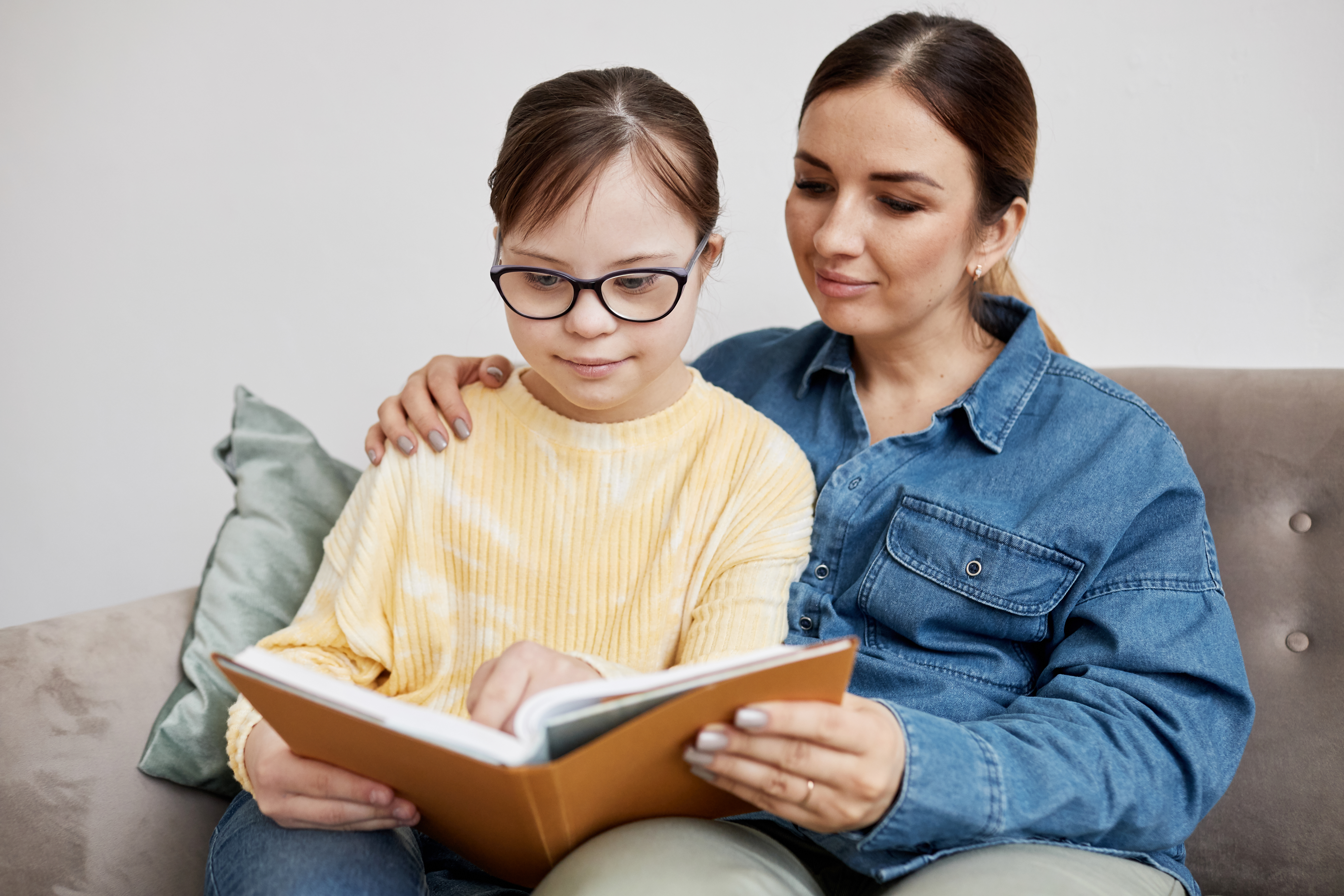
Now that we’ve explored the foundational role of stories, let’s dive into some practical strategies. Building resilience isn’t about leaping tall obstacles in a single bound; it’s about taking small, manageable steps every day.
Simple Practices You Can Try Today
-
Create a Visual Schedule: Visual schedules help autistic children anticipate daily activities. By knowing what to expect, they feel more in control and less anxious.
-
Co-Regulation Techniques: Practice breathing exercises together. When stress levels rise, these techniques can help both parents and children find calm.
-
Story Time with Purpose: Choose books that explore emotions and social situations. Discuss the characters’ choices and feelings to develop empathy and understanding.
Each of these practices offers a mini-payoff. For example, a visual schedule can reduce anxiety by up to 80% in classroom settings, providing a sense of security and routine.
Turning Insights into Daily Habits
Consistency is key. Turning these insights into daily habits involves integrating them into regular routines. Start small—perhaps with a morning check-in where you discuss the day’s schedule and any potential challenges.
Encourage your child to express their feelings about the day ahead. This not only builds emotional awareness but also fosters a habit of open communication. The longer you wait to establish these routines, the more challenging it becomes to break old habits.
Creating an Inclusive Community
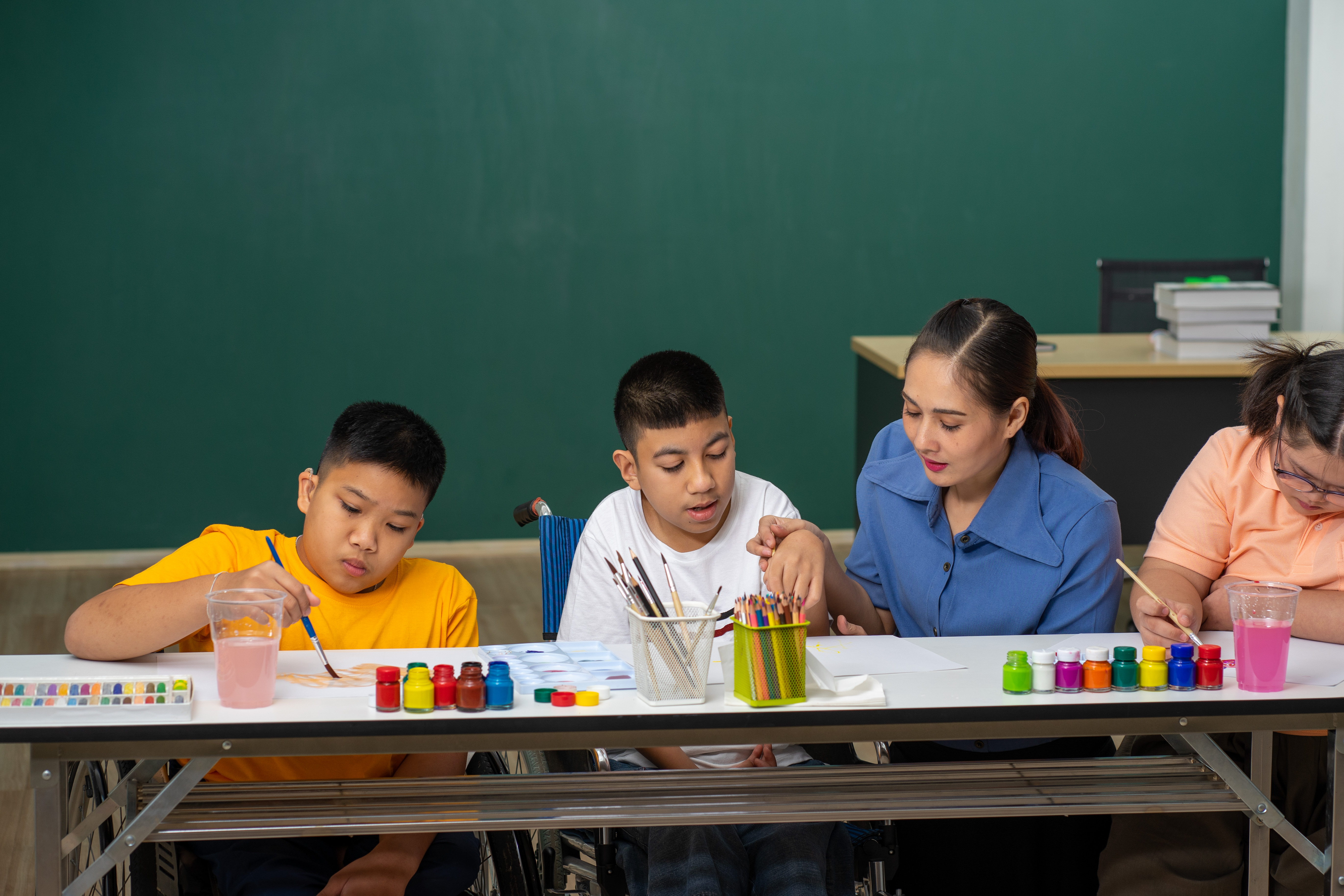
A community that embraces neurodiversity is a place where every child feels seen and valued. Let’s explore how we can foster such an environment.
Tools for Teachers and Therapists
Teachers and therapists play a crucial role in creating inclusive spaces. Simple tools like sensory-friendly classrooms and personalized learning plans can make all the difference.
-
Classroom Inclusion Strategies: Use sensory corners and quiet zones to support children who need a break from overstimulation.
-
Teacher Resources for Autism: Provide educators with story-based SEL resources that offer practical strategies for classroom inclusion.
By equipping professionals with these tools, we empower them to support autistic children more effectively. This creates a ripple effect, fostering an inclusive culture across the school community.
Encouraging Self-Advocacy and Inclusion
Beyond the classroom, it’s vital to encourage self-advocacy. Teach your child to express their needs and preferences. This can begin with simple choices, like selecting their own clothes or deciding on extracurricular activities.
Self-advocacy builds confidence and resilience, equipping children with the skills to navigate a world that may not always accommodate their needs. Remember, fostering inclusion isn’t just about accommodating differences—it’s about celebrating them.
As we continue this journey, let’s hold onto the belief that every story, every strategy, and every effort counts. Together, we can create a world where autistic children not only thrive but shine in their unique, incredible ways. 🌟📚🧩