



Inside the Invisible Backpack: What Autistic Children Carry That Others Don’t See
Most people don’t see the weight autistic children carry every single day—the invisible backpack filled with masking, sensory overwhelm, and big feelings. I’ve watched my own boys come home drained, carrying so much more than their backpacks show. In this post, I’ll share what that invisible load really looks like and offer simple, heart-centered strategies you can use right now to lighten the load at home and school.
Unpacking the Invisible Backpack
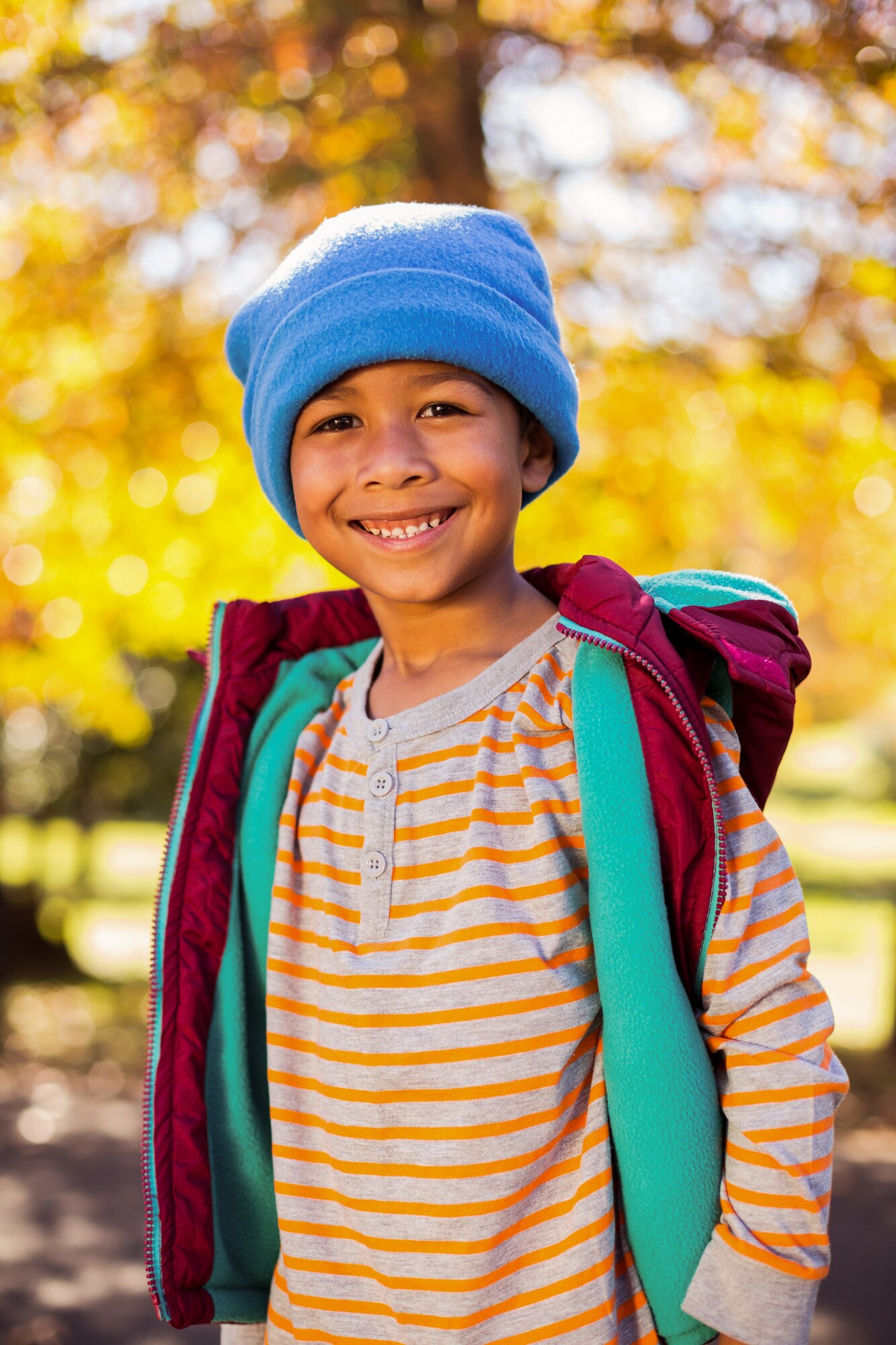
The concept of the “invisible backpack” resonates deeply because it captures the unseen struggles autistic children face. Each day, they carry emotional and sensory weight that isn’t visible to those around them.
Understanding Masking in Autism
Masking is like wearing a costume every day. Many autistic children hide their true selves to fit in, an exhausting process that drains their energy. I’ve seen my son, Adrián, come home after a day of school, where he felt like he was performing instead of being himself.
Masking can be an unconscious habit, a survival tool. Children might suppress natural behaviors like hand-flapping or speaking less to avoid standing out. Yet, this can lead to burnout, where the emotional toll becomes too heavy. Most people think autistic children should just “act normal,” but this expectation overlooks the stress masking creates.
Here’s the key insight: Allowing autistic kids to feel safe enough to unmask helps them thrive. Creating “mask-free zones” at home or in the classroom can be a game-changer. Encourage your child to express themselves freely, and see the relief it brings.
Navigating Sensory Overload
Sensory overload is like a blaring alarm that won’t stop. For autistic children, sounds, lights, and even textures can be overwhelming. When my younger son, Guillermo, was at a birthday party, the loud music and chatter made him freeze, unable to enjoy the fun.
Sensory overload isn’t just annoyance; it’s genuine pain. The world becomes too loud, too bright, and too much. To cope, kids might retreat or have meltdowns. Imagine carrying a backpack that gets heavier with every new noise or sensation. That’s their reality.
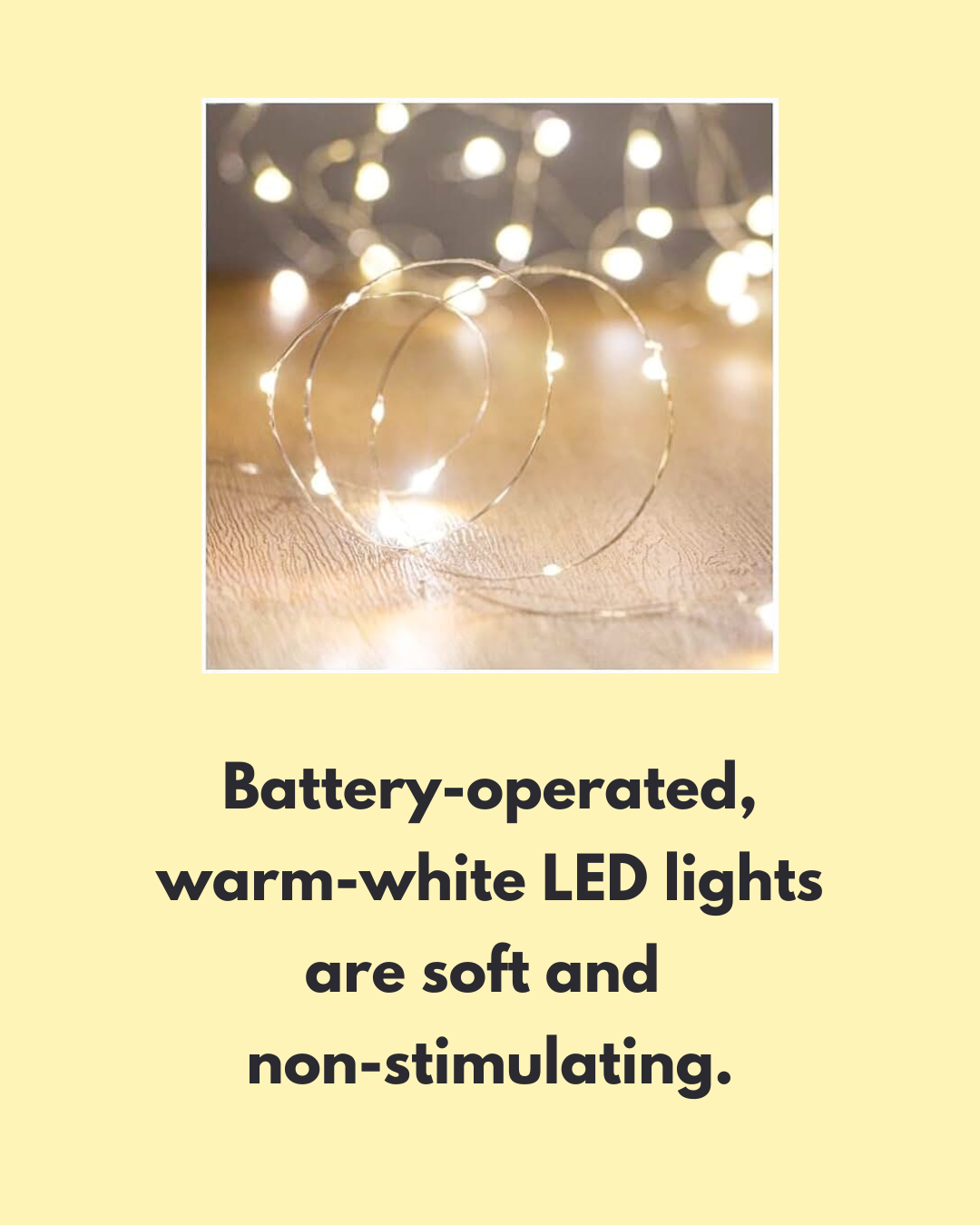
To help, create a sensory-friendly space where they can recharge. This might mean dimming lights or offering noise-canceling headphones. By acknowledging their sensory needs, you’re saying, “I see you, and I’m here to help.”
Tools for Emotional Regulation
Emotional regulation is vital for autistic children, who often feel emotions intensely. Let’s explore simple strategies that parents and educators can implement.
Co-Regulation Strategies for Parents
Co-regulation is a shared process. It starts with being present and calm yourself. When Adrián feels overwhelmed, I remind myself to breathe slowly. He mirrors my calmness, and we navigate the storm together.
-
Breathe Together: Sit with your child and practice deep breathing. Encourage them to follow your lead. It’s a simple yet effective way to ease anxiety.
-
Use a Soothing Voice: Speak gently, using a tone that reassures. Your voice can be an anchor in their emotional storm.
-
Name the Emotion: Help your child label what they’re feeling. “I see you’re upset. Let’s figure out why together.” This validation helps them feel understood.
Through co-regulation, you’re teaching them to manage emotions without feeling alone. It’s not about having all the answers, but about being there through the messiness.
Visual Schedules for School Transitions
Transitions can be tricky for autistic children. Visual schedules break down the day into manageable parts, reducing anxiety about what’s next.
Think of visual schedules as a roadmap. They guide children through their day, offering predictability. For Guillermo, seeing his day mapped out in pictures means fewer surprises and more peace.
-
Create a Picture Schedule: Use images to represent daily activities. Place them in order so your child knows what to expect.
-
Include Breaks: Insert icons for rest times. This shows that downtime is part of their routine, not a disruption.
-
Review Together: Talk through the schedule each morning. It builds confidence and prepares them mentally.
Visual schedules are a powerful tool, offering clarity and reducing stress. They empower children to move through their day with assurance.
Building a Supportive Environment
Creating an affirming space at home and in school is crucial. It starts with education and empathy.
Neurodiversity Affirming Books for Children
Books are mirrors and windows. They reflect autistic children’s experiences and open a window to others. Reading stories where characters share their challenges and triumphs can be life-changing.
-
Choose Authentic Stories: Look for books written from lived experience. They offer genuine insights and empathy.
-
Discuss Themes: Talk about the characters’ feelings and actions. It fosters understanding and connection.
-
Encourage Diverse Reading: Introduce books that celebrate differences and teach empathy. They help build a kinder world.
Books are more than stories; they’re bridges to understanding. By reading together, you foster a sense of belonging and acceptance.
Classroom Supports for Autistic Children
Classrooms should be safe havens, not battlefields. Simple supports can make a big difference for autistic children.
-
Flexible Seating: Allow children to choose where they’re most comfortable. Sometimes a quiet corner is all they need.
-
Sensory Tools: Provide fidgets or weighted blankets. They can help children focus and feel grounded.
-
Teacher Training: Educate staff on autism’s nuances. Understanding leads to better support.
Classrooms that embrace neurodiversity create a space where all children can flourish. It’s about meeting each child where they are and celebrating their unique gifts.
In conclusion, lightening the “invisible backpack” requires empathy, understanding, and action. By implementing these strategies, you’re not just supporting autistic children; you’re helping them thrive. Remember, you’re not alone on this journey. Together, we can create a world where every child feels seen and supported.
Check out our books and FREE Resources