



From Story to Self‑Regulation: How Authentic Autistic Stories Help Kids Find Their Calm
When your child’s world feels overwhelming, finding calm can seem impossible. I’ve watched my own boys struggle with sensory overload and big feelings, wishing for stories that truly reflect their experience. Authentic autistic storytelling in children’s books offers more than just words—it hands kids tools to recognize their emotions and navigate the chaos. Let me share how these real voices build emotional regulation and practical ways you can bring that calm home.
The Power of Autistic Storytelling
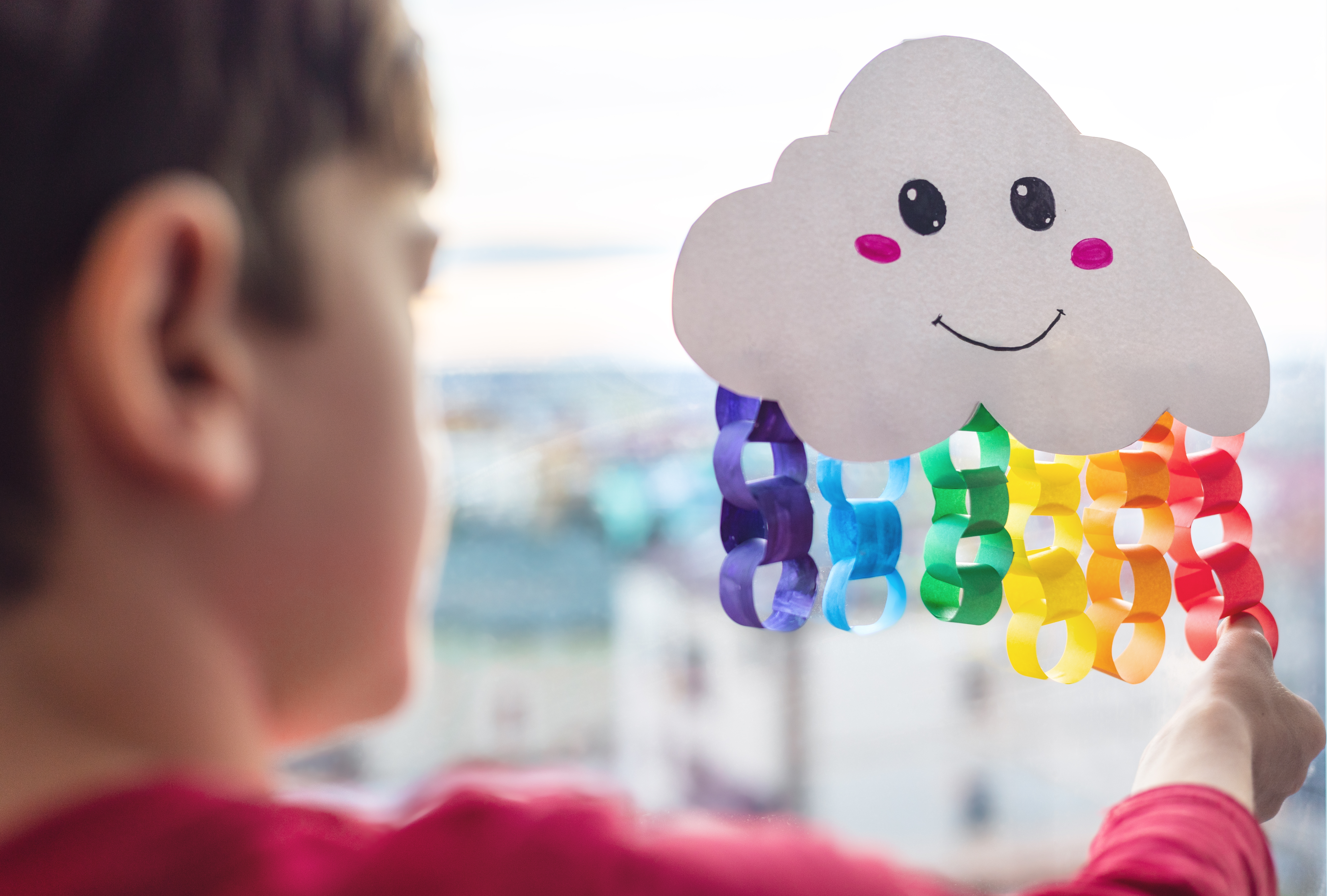
Stories can be a mirror, reflecting a child’s inner world. They can also be a guide, offering new paths to understanding. When stories are told from authentic autistic perspectives, they offer both.
Emotional Regulation Through Stories
Imagine a story that doesn’t just entertain but also helps your child calm down. That’s the power of authentic autistic storytelling. These tales show kids how to recognize their feelings and practice self-regulation. My boys, Adrián and Guillermo, often struggle with sensory overload. I wish I had these kinds of stories when they were younger. These books teach healthy ways to manage big emotions. They can be like a friend who understands.
Through stories, children learn to identify emotions like frustration or anxiety. They see characters dealing with similar feelings, which makes their own experiences feel valid. It’s not just about the story; it’s about how the story relates to their world. When kids see characters use calming techniques, they can try them too. It’s a gentle way to introduce self-regulation skills.
Lived Experiences in Children’s Books
There is something special about stories rooted in lived experiences. They offer authenticity that resonates deeply with children who feel different. When I read stories to my boys that reflect their lives, I see their eyes light up. They feel seen. Authentic stories explain complex feelings in simple terms, which is comforting.
These books provide examples of daily life, which can be incredibly helpful. They show how other children navigate school, friendships, and family. They offer a roadmap for managing similar situations. Kids learn best when they can relate to what’s happening. By seeing themselves in stories, they gain tools to handle their emotions better.
Connecting Stories to Real Life
Authentic storytelling isn’t just about reading. It’s about connecting those stories to everyday life. How can you bring these lessons into your home?
Practical Tools for Families
Bringing stories into daily routine can be a game changer. Start by picking a story that mirrors your child’s experiences. Read it together and talk about the characters. What did they feel? How did they handle it? Use this as a jumping-off point for discussions about feelings and solutions.
You can also create a calm corner at home inspired by the stories. Fill it with items that help your child relax, like a favorite book or a soft blanket. When your child feels overwhelmed, suggest they spend some time there, just like the characters in their books might do. This gives them a practical tool for managing stress.
Stories as Social Emotional Learning Resources
These stories can be more than just bedtime reading. They are powerful social emotional learning resources. They teach empathy, understanding, and respect. Through them, children learn that everyone has emotions, and that’s okay.
Discuss the stories with your child. Ask them how the characters might feel in different situations. Encourage them to think about what they would do. This helps build their emotional vocabulary and problem-solving skills. It’s about more than just reading; it’s about learning and growing together.
Supporting Classroom Inclusion
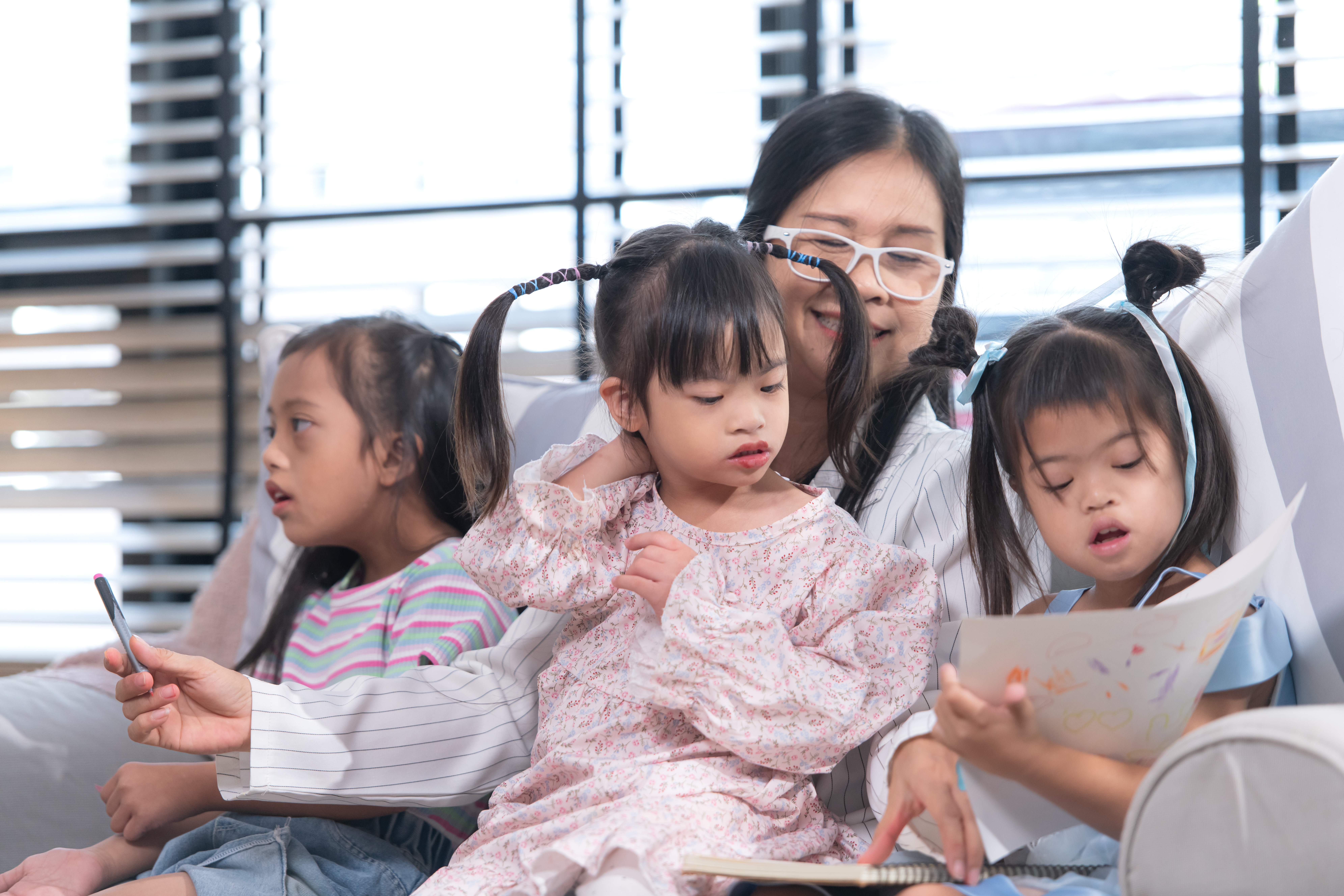
Reading these stories at home is just the beginning. They can also help create more inclusive classrooms.
Neurodiversity-Affirming Books
Books that affirm neurodiversity celebrate differences. They teach that every brain is unique and valuable. These stories can help classmates understand and appreciate each other. When teachers include these books in their curriculum, they foster an environment of acceptance.
By highlighting stories that feature diverse characters, teachers can show students that there’s no one “right” way to think or feel. This can make a big difference for children who feel different. It encourages all students to embrace their unique qualities.
Strategies for Teachers and Therapists
Teachers and therapists can use these stories as tools. They can create lesson plans around them, encouraging students to explore emotions and relationships. Storytime can be an interactive experience where students share their thoughts and feelings.
Therapists can incorporate these stories into sessions to help children express themselves. They can use characters to explore emotions in a safe, relatable way. It’s about providing a supportive space where children feel comfortable being themselves.
In conclusion, authentic autistic storytelling is more than just words on a page. It’s a powerful tool for emotional regulation and social learning. These stories help children see themselves and others with empathy and understanding. By incorporating them into daily life and educational settings, we can build a more inclusive and supportive community for all children.
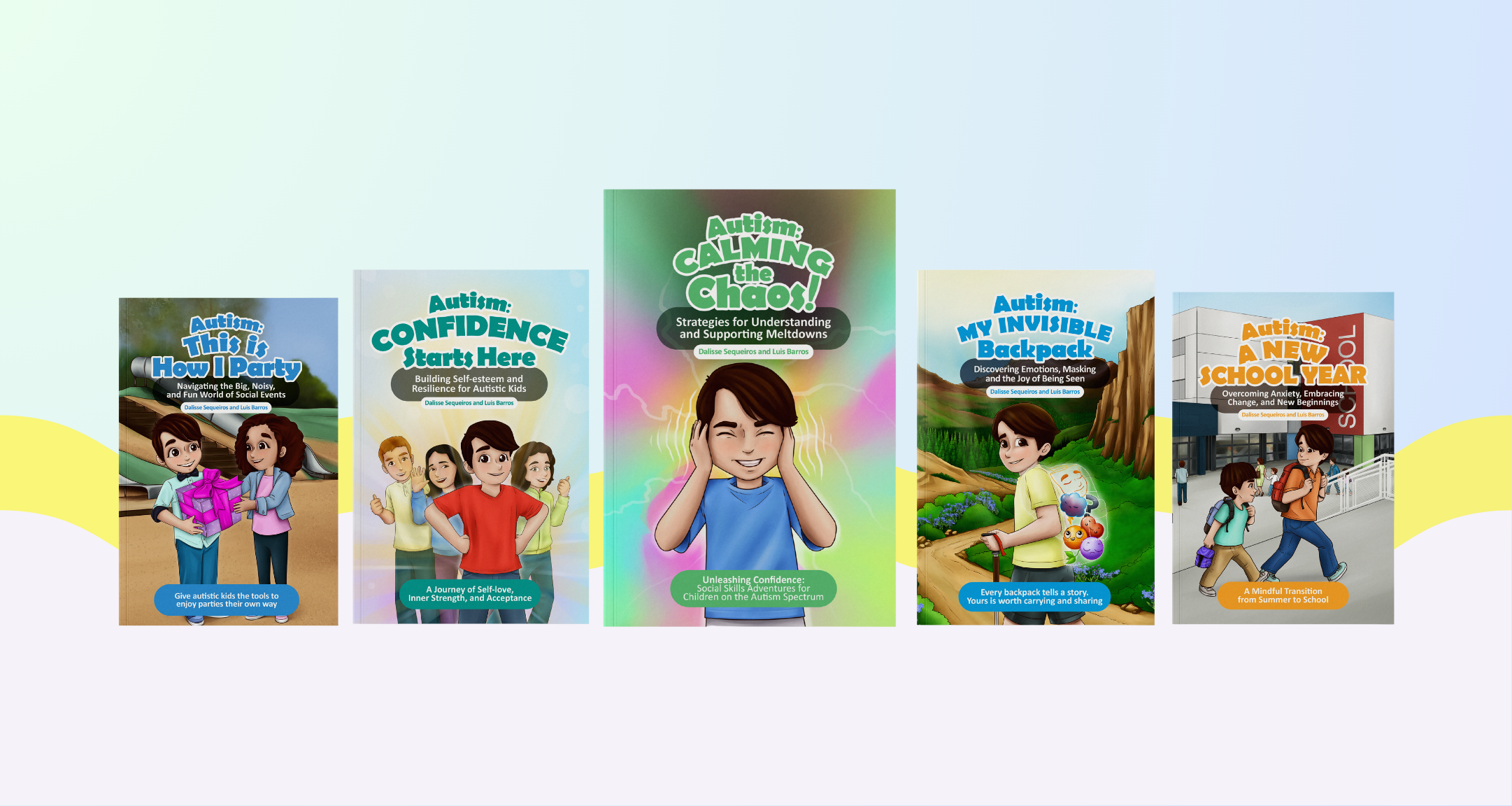
Check out our books and FREE Resources