



From Seating Charts to Safe Spaces: Practical Ways to Build Inclusive Classrooms for Autistic Students
Too many classrooms still treat autistic students like puzzles to solve, not kids who deserve to feel safe and seen. I’ve been there—watching my own boys struggle to fit in, while teachers scrambled to find “the right seat” or “quiet corner.” But building an inclusive classroom isn’t about perfect plans; it’s about creating spaces where every child belongs, with real, everyday strategies that honor neurodiversity. Let me share what’s worked for us and many educators who’ve walked this path before you.
Creating Safe Spaces
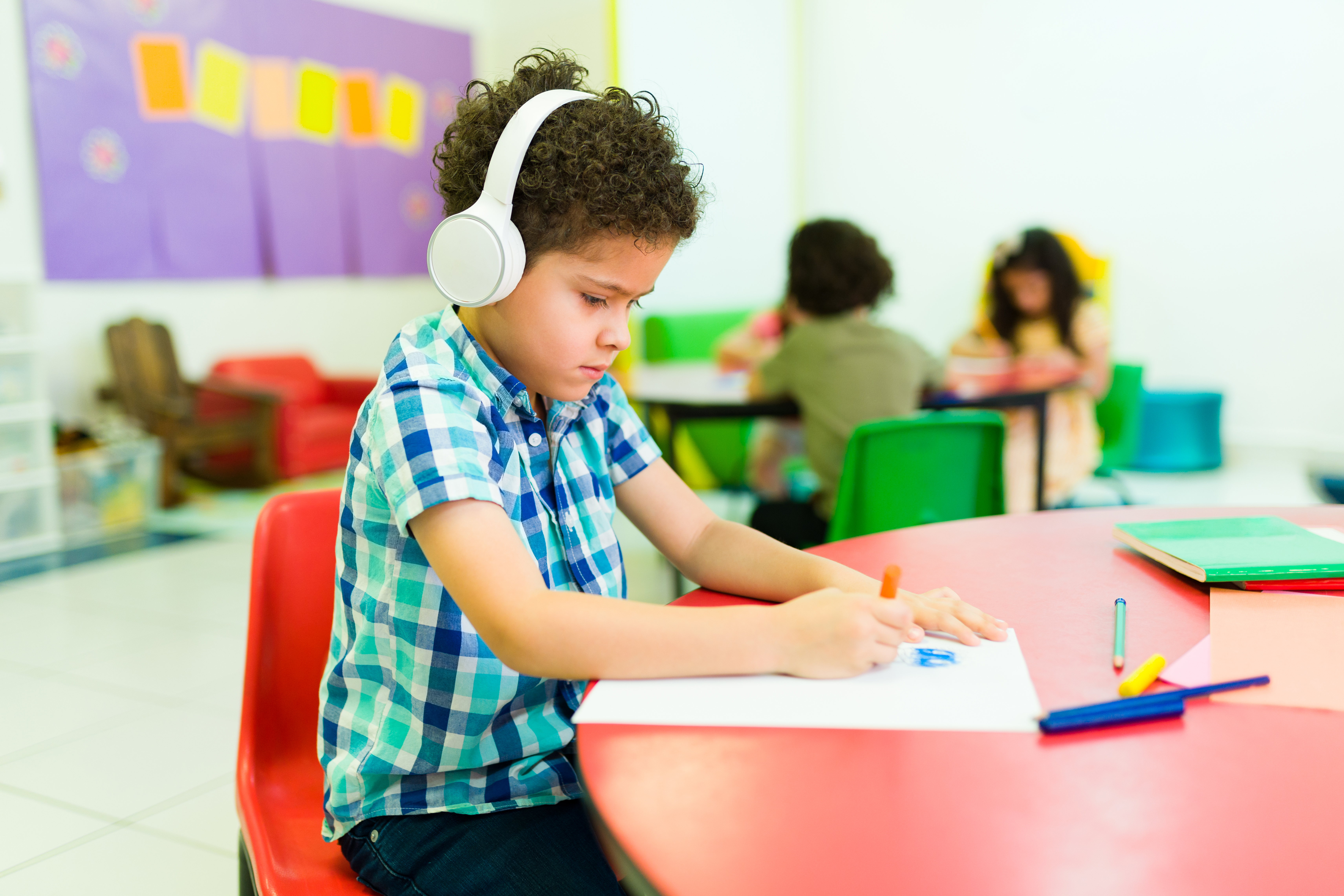
Inclusive classrooms are not just about where a child sits. They’re about fostering an environment where every student feels safe, valued, and understood. Let’s explore how understanding autism can transform your classroom into a haven for learning and growth.
Understanding Autism in the Classroom
When my son Adrián started school, I remember the confusion on his teacher’s face as she tried to understand his needs. It wasn’t about creating a perfect environment, but about understanding his world. Autism is a spectrum, meaning no two children will experience it the same way. Some may have sensory sensitivities, others might communicate differently. One in 54 children is diagnosed with autism, highlighting the importance of awareness in educational settings.
To truly support autistic students, it’s vital to recognize their strengths. Some may excel with logic puzzles, while others might display incredible creativity. Encouraging these strengths can lead to a more engaging learning experience. It’s not about fitting them into a mold, but about celebrating who they are. By understanding each child’s unique needs, you lay the groundwork for a supportive classroom.
Implementing SEL Strategies
Social Emotional Learning (SEL) is a powerful tool for all students, especially for those who are autistic. When Adrián struggled with transitions, introducing SEL strategies helped him immensely. SEL programs can improve students’ skills by 11 percentile points, a testament to their effectiveness.
Start small. Introduce simple breathing exercises or mindfulness activities to help students manage emotions. Create a “calm corner” in your classroom where students can retreat when overwhelmed. These strategies not only help autistic students regulate emotions but also foster a sense of belonging. Through SEL, you nurture empathy and understanding among peers, building a community where everyone feels valued.
Building Inclusive Classroom Communities
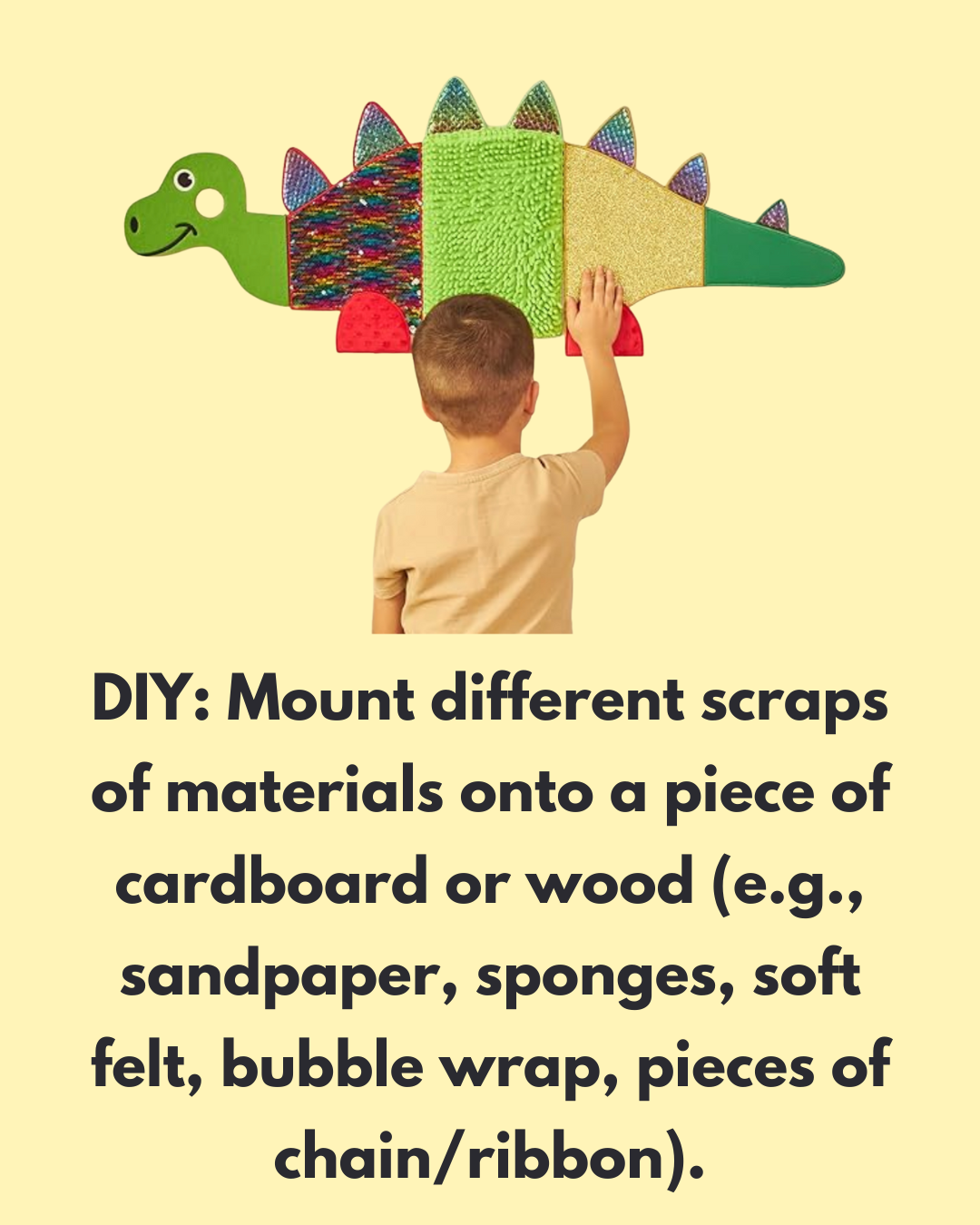
Creating a community within the classroom is about more than just lessons—it’s about fostering connections. By encouraging peer education and belonging, you’ll see your students thrive.
Encouraging Peer Education
When Guillermo, my youngest, shared his love for dinosaurs, it became a classroom hit. Encouraging students to teach each other not only builds confidence but also fosters understanding. Many children learn best from peers, and this can be especially true for autistic students.
Create opportunities for students to share their interests or skills. This could be a “show and tell” session or a group project where each child has a role tailored to their strengths. By promoting peer education, you’re not just teaching facts; you’re teaching empathy and respect. This approach helps demystify autism for neurotypical peers, promoting a classroom culture of acceptance and support.
Fostering Classroom Belonging
Belonging is a core human need. For autistic students, feeling like they are part of the classroom community can be transformative. Reflecting on Adrián’s journey, I saw firsthand how inclusion can impact a child’s self-esteem. Students who feel they belong are twice as likely to engage in learning and achieve success.
To foster belonging, involve students in setting classroom norms and values. Encourage open discussions about differences and similarities. Use stories and books that reflect diverse experiences, including those of autistic individuals, to foster understanding. This helps create a mask-free zone where students can be authentically themselves.
Practical Tools for Teachers
Having the right tools in your toolbox can make a world of difference. With practical strategies, teachers can create an environment that supports all learners, especially those who are autistic.
Using Visual Schedules and Routines
Visual schedules can be a game-changer. When Adrián started using one, his anxiety about the school day decreased significantly. Visual aids help autistic students understand what to expect, reducing stress and uncertainty. Research shows that visual supports can improve task completion by up to 80%.
Consider using a daily schedule with pictures or icons that represent different activities. This helps students navigate the day with confidence. Regular routines, paired with visual cues, provide a sense of security and predictability, crucial for many autistic students. You’ll find that other students benefit from these routines too, creating a calmer classroom environment.
Supporting Communication and Co-Regulation
Communication is key, yet it’s an area where many autistic students face challenges. Implementing communication supports, such as picture exchange systems, can open up new avenues for expression. For Guillermo, introducing these supports made a huge difference in how he interacted with peers.
Co-regulation is another vital tool. By modeling calm and providing consistent emotional support, you help students learn to self-regulate. Encourage students to express their feelings and use tools like emotion cards to aid communication. Co-regulation strategies can reduce the frequency of emotional outbursts by up to 50%, fostering a more harmonious classroom.
Creating inclusive classrooms is a journey, filled with small wins and learning moments. Remember, it’s not about perfection but about progress and understanding. By implementing these strategies, you’re not just teaching; you’re building a community where every child feels they belong. Let’s continue this journey together, one classroom at a time.
Check out our books and FREE Resources