



The Question That Broke My Heart (And Opened a Door)
“Why does Adrián get to stay home from Grandma’s party, but I have to go?”
My neurotypical 3-year-old niece asked me this during a family gathering. And honestly? I didn’t have a good answer ready.
Because how do you explain to a child that their autistic cousin isn’t “getting away with” something, he’s protecting his nervous system from complete overwhelm?
How do you help cousins or even siblings understand autism in a way that builds empathy instead of resentment?
Both my son’s are autistic, but it makes me wonder. How do you make sure neurotypical siblings don’t feel invisible while you’re managing meltdowns, therapies, and endless accommodations?.
These questions kept me up at night when Adrián was first diagnosed. And now, watching Guillermo (5) and Adrián (11) navigate their relationship as two autistic brothers with different needs, I’m still figuring it out.
But I’ve learned some things along the way. And I want to share them with you, not as an expert, but as someone in the messy middle of this journey.
Why This Conversation Matters So Much
Here’s something I didn’t expect: how I talked about autism with Adrián’s cousins, friends, and eventually with Guillermo, shaped how Adrián felt about himself.
When I used euphemisms or avoided the topic, Adrián heard: “There’s something wrong with you that we don’t talk about.”.
When I spoke about autism matter-of-factly, with honesty and respect, he heard: “This is part of who you are, and it’s nothing to hide.”.
The way we explain autism sets the tone for the entire family dynamic.
What I Got Wrong at First
Let me be honest about my early mistakes…
Mistake #1: Using the “Superpower” Language
“Autism is Adrián’s superpower!”……
I said this with the best intentions. I wanted his cousins to see autism as positive.
But here’s the problem: autism isn’t a superpower. It’s a neurotype.
It comes with genuine strengths: Adrián’s incredible memory, his ability to focus intensely on topics he loves, his pattern recognition.
But it also comes with genuine challenges: sensory overwhelm, social communication differences, anxiety about changes.
Calling it a superpower set up unrealistic expectations. When Adrián had a meltdown or needed accommodations, his cousins were confused. “I thought autism was a superpower? Why does he need special help?”.
Mistake #2: Only Talking About the “Special Needs”
For a while, the only time I mentioned autism was when explaining why Adrián needed something different.
“He needs headphones because of his autism.”…… “We’re leaving early because of his autism.”…… “He can’t handle that because of his autism.”……
All my family heard this: Autism = limitations, problems, things that make family events harder.
Mistake #3: Making It Too Clinical
“Adrián’s brain is wired differently. His neurons fire in unique patterns that affect how he processes sensory input and social communication.”.
I said this to a 6-year-old……
His eyes glazed over. He had no idea what I was talking about.
Kids need simple, honest, relatable explanations, not clinical jargon.
Encouraging Conversations About Autism
Encourage your kids to ask questions. It’s okay not to have all the answers. In fact, admitting “I’m not sure, let’s find out together” can be powerful. It shows your children that learning is a shared journey. Open dialogue helps them feel more comfortable expressing their thoughts and concerns.
When his friends asked, “Why does Adrián flap his hands?” I used it as a teaching moment. I explained it’s one way he shows excitement or calms himself. “Just like when you sing your favorite song to feel happy,” I added. By relating it to their own experiences, it became less mysterious and more relatable to his friends.
What Actually Works: The Conversations That Build Understanding
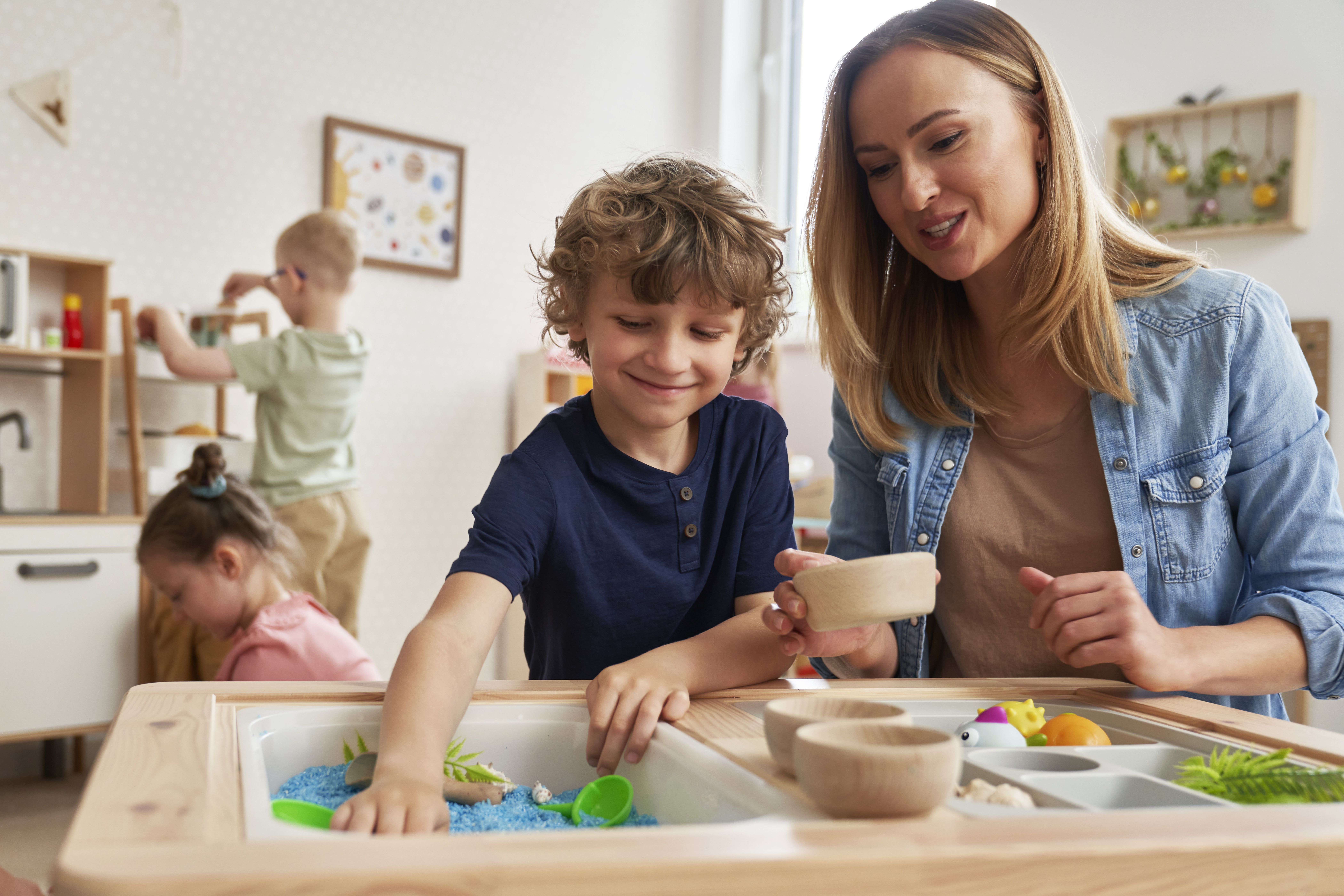
After years of trial and error, here’s what I’ve learned about explaining autism to friends, cousins and even applied to siblings and other children in a way that actually helps.
Start With “Different, Not Less”
What I say now: “You know how everyone’s brain works a little differently? Some people are really good at math, some at art, some at sports. Adrián’s brain works differently too. It’s called autism. It means some things that are easy for you might be harder for him, and some things that are hard for you might be easier for him.”.
Why this works: It normalizes differences without making autism sound like a tragedy OR a superpower. It’s just… a different way of being.
Use Specific, Relatable Examples
Instead of: “Adrián has sensory sensitivities.”.
I say: “You know how when you eat a food you really hate, it makes you want to gag? For Adrián, certain sounds or lights feel that bad to him. So he uses headphones to make it more comfortable, just like you might close your eyes if a light is too bright.”.
Why this works: Kids can relate to sensory experiences they don’t like. It helps them understand that Adrián isn’t being difficult, he’s managing something genuinely uncomfortable.
Acknowledge the Hard Parts (For Everyone)
What I say to my niece: “I know sometimes it’s frustrating when we have to leave places early because Adrián is overwhelmed. That’s hard for you, you want to stay and have fun. It’s hard for Adrián too, he wishes he could handle it but his body just can’t. And it’s hard for me because I want everyone to be happy. It’s okay that it’s hard.”.
Why this works: Validating neurotypical feelings doesn’t mean you’re criticizing the autistic child. Both things can be true: This is hard AND we’re still going to do what’s needed.
Celebrate the Unique Perspectives
What I say: “Did you notice how Adrián remembered every single Roman emperor in order? His autism brain is really good at remembering details and patterns. That’s pretty cool, right?”.
Or: “I love how Adrián tells you EXACTLY what he thinks. He doesn’t do fake compliments or say things just to be polite. When he says he likes your drawing, you know he really means it.”.
Why this works: It helps see autism traits as neutral or positive, not just as problems to manage.
The Book That Helped Us Have This Conversation
When Adrián started asking questions about why he and Guillermo are “different kinds of different” (his words!), I realized I needed better tools.
That’s why Luis and I wrote Autism: My Invisible Backpack.
This book uses the metaphor of an invisible backpack that everyone carries, filled with emotions, experiences, and the weight of masking or managing challenges.
Why it works for other kids like close friends, cousins or siblings:
-
It explains autism concepts (masking, sensory overload, literal thinking) in kid-friendly language
-
It shows that EVERYONE carries emotional weight, not just autistic people
-
It validates both the autistic experience AND the sibling experience
-
It opens conversations without feeling like a lecture.
We’ve read it with both boys, and it’s helped Adri understand why Guille and himself sometimes needs breaks, why they get exhausted after school, why they do things differently.
The Ongoing Conversations (Not Just One Talk)
Here’s what I wish I’d known: you don’t have one conversation about autism and then you’re done.
It’s an ongoing dialogue that evolves as children grow and their understanding deepens.
Ages 3-5: Very Simple, Concrete
“Adrián’s ears are more sensitive than yours. Loud sounds hurt him, so he wears special headphones.”.
That’s it. Don’t overcomplicate.
Ages 6-8: More Detail, Still Simple
“Adrián has autism, which means his brain works differently. Some things are easier for him, like remembering facts. Some things are harder, like knowing when someone is joking. That’s why he sometimes takes things literally.”.
Ages 9-12: Deeper Understanding
“Autism means Adrián experiences the world differently. Sensory things like sounds and lights can be overwhelming. Social situations take more energy because he has to think about things that come naturally to you. That’s why he needs breaks and accommodations sometimes.”.
Teens: Nuanced Conversations
At this age, you can discuss masking, identity, the social model of disability, neurodiversity as part of human diversity.
The conversations grow with the child. Start simple, add complexity as they can handle it.
What About When close cousins or siblings Feel Jealous or Resentful?
Let’s be real: sometimes neurotypical siblings DO feel jealous or resentful. My boys don’t have siblings but they do have very close cousins.
“Adrián gets to stay home. I want to stay home too!”…… “Why does everything have to be about HIS needs?”…… “I never get this much attention.”……
These feelings are valid. And they need to be acknowledged. Even sometimes Adrián even gets resentful for Guille there is a big age gap between them.
What NOT to Say:
❌ “Don’t be selfish. Your brother has autism.”…… ❌ “You should be grateful you don’t have his challenges.”…… ❌ “Stop complaining.”……
These responses shut down communication and breed resentment.
What TO Say:
✓ “I hear you. It IS frustrating when we have to leave early. Your feelings matter too.”.
✓ “You’re right that Adrián gets a lot of my attention, especially when he’s struggling. That doesn’t mean I love you less. Let’s find some special time just for us.”.
✓ “Sometimes it feels unfair that Adrián gets different rules. The truth is, everyone in our family gets what they need, and those needs are different. You need different things than he does, and that’s okay too.”.
Validation doesn’t mean you change the accommodations. It just means you acknowledge that this is hard for everyone.
Building Empathy Without Parentifying Siblings
Here’s a trap I almost fell into: making my neurotypical nephew feel responsible for understanding, helping, and accommodating Adrián.
“You need to be patient with your cousin.”…… “Can you help Adrián with this?”…… “You’re such a good helper!”……
While building empathy is important, siblings shouldn’t become mini-therapists or mini-parents.
The Balance:
YES to: “It’s kind when you’re patient with Adrián.”. NO to: “You HAVE to be patient with Adrián. He can’t help it.”.
YES to: “Thanks for thinking of Adrián’s needs.”. NO to: “You’re responsible for making sure Adrián is okay.”.
Empathy is a gift, not an obligation. Siblings can choose to be understanding, but it shouldn’t be forced or expected at the expense of their own needs.
Creating Family Rituals That Include Everyone
One thing that’s really helped our family: creating traditions and rituals that honor both boys’ needs.
Our “Everyone Picks” System
Every Friday, each family member picks one thing we do together. It rotates.
-
Adrián might pick: Watch a documentary about trains
-
Guille might pick: Dance party in the living room
-
I might pick: Family walk
-
Luis might pick: Game night.
Everyone’s interests are valued equally. No one’s needs dominate.
Celebrating Different Wins
When Adrián reaches a milestone (like getting through a school assembly without leaving), we celebrate.
But we ALSO celebrate when Guillermo reaches HIS milestones (like trying a new food).
Every child deserves to have their growth acknowledged.
With love and understanding,
Dalisse (& Luis)
Loving Pieces Books
💙 How have you explained autism to siblings in your family? What’s worked? What’s been hard? Share with our community—we’re all learning together. Find us on Instagram @lovingpiecesbooks or explore more resources at lovingpiecesbooks.com.