



Empowering Our Autistic Kids: Nurturing Self-Advocacy from a Young Age
Self-advocacy isn’t something kids just magically know how to do—it’s a skill we have to gently teach and practice, especially with autistic children. I’ve stumbled through this myself, watching my boys find their voices in a world that often misunderstands them. If you’re looking for parenting tips and practical ways to support your child’s confidence and self-expression, you’re in the right place. Let’s walk this path together, learning how to nurture self-advocacy from the very start.
Cultivating Self-Advocacy Skills
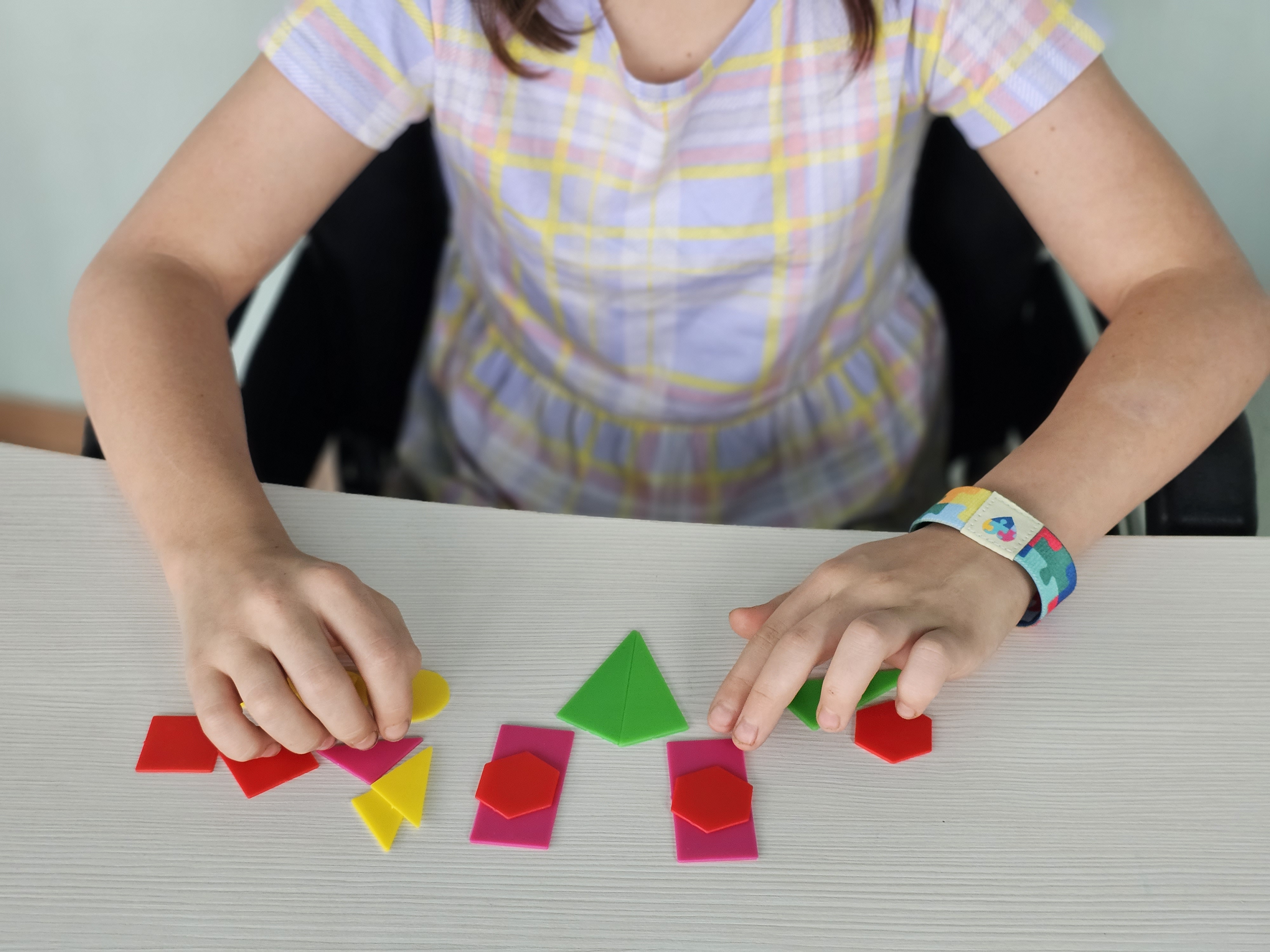
Helping our children find their voices is a rewarding journey. It’s about more than just teaching them to speak up; it’s about building confidence and understanding their unique perspectives.
Starting Conversations Early
The best time to start teaching self-advocacy is when your child is young. Begin by encouraging them to express their thoughts and preferences. You might start simply by asking them what they want for a snack or which activity they’d prefer to do. These small choices empower them.
Try to create opportunities for your child to make decisions. It could be as simple as choosing their clothes or deciding which book to read before bed. By doing so, you’re showing them that their opinions matter. It’s a way of saying, “Your voice counts.” When children feel heard, they are more likely to speak up in other areas of their lives.
Building Confidence Through Stories
Stories can play a powerful role in helping autistic children build self-confidence. When they see characters who share similar experiences, it can be incredibly validating. Imagine reading a story together where the main character successfully navigates a situation your child faces. This can be a great conversation starter.
You can ask questions like, “How do you think they felt?” or “What would you do in their place?” These discussions can help your child reflect on their own experiences and develop a deeper understanding of themselves. Plus, it opens the door for them to share their thoughts and feelings, reinforcing their ability to advocate for themselves.
Creating Inclusive Environments

Building a world where our children feel included starts with their immediate surroundings. Schools, homes, and communities should all reflect acceptance and understanding.
Empowering Through Education
Education is a key factor in creating a supportive environment for autistic children. It starts with helping teachers and classmates understand autism. Simple explanations about what it means to be autistic can go a long way. You might work with teachers to present a short lesson or share a book with the class that explains autism in an accessible way.
When children understand the diversity in their classroom, they learn empathy. They’re more likely to include and support each other. For parents, it’s important to engage with educators to ensure that your child’s needs are met. Ask questions, share insights about your child, and collaborate to create a nurturing educational environment.
Encouraging Expression and Choice
Encouraging kids to express themselves and make choices helps them feel more in control. At home, create spaces where your child can relax and be themselves. This might mean having a quiet corner with sensory toys or a cozy reading nook.
Invite your child to participate in creating these spaces. Ask them what makes them feel comfortable and safe. By giving them a say in their environment, you’re reinforcing their ability to make choices and express their needs. This practice at home can boost their confidence in other settings.
Fostering a Supportive Community
Communities thrive when everyone feels valued and supported. Let’s focus on building connections that uplift our autistic children.
Sharing Parenting Tips and Insights
Connecting with other parents can provide valuable insights. Share your experiences and hear theirs. Maybe you’ve developed a morning routine that works wonders, or perhaps another parent has a strategy for handling transitions that you haven’t tried yet.
Consider joining local support groups or online communities. These spaces can be invaluable for sharing resources and encouragement. They remind us that we’re not alone in this journey.
Celebrating Neurodiversity Together
Embracing neurodiversity is about celebrating every child’s unique abilities. Encourage your community to host events that highlight these strengths. Whether it’s an art show, a talent night, or a simple gathering, these events can foster understanding and appreciation.
When we create spaces that celebrate differences, we’re teaching our children that they belong and are valued. It’s these positive experiences that build a child’s self-esteem and reinforce their ability to advocate for themselves.
🌟
In nurturing self-advocacy, we’re not just teaching our children to speak up; we’re giving them the tools to thrive in a world that doesn’t always understand them. Together, we can create a supportive community where every child feels seen and heard.
Check out our books and FREE Resources