



Creating Mask-Free Zones: A Sanctuary for Your Child’s Authentic Self
When my son comes home after a long day, I can see the weight of pretending in his tired eyes. Creating mask-free zones at home isn’t just a nice idea—it’s become a lifeline for his emotional wellbeing. In these spaces, autistic children can drop the act and simply be their authentic self. I want to share how you can build these safe havens too, with parenting strategies that honor who your child really is.
Importance of Mask-Free Zones
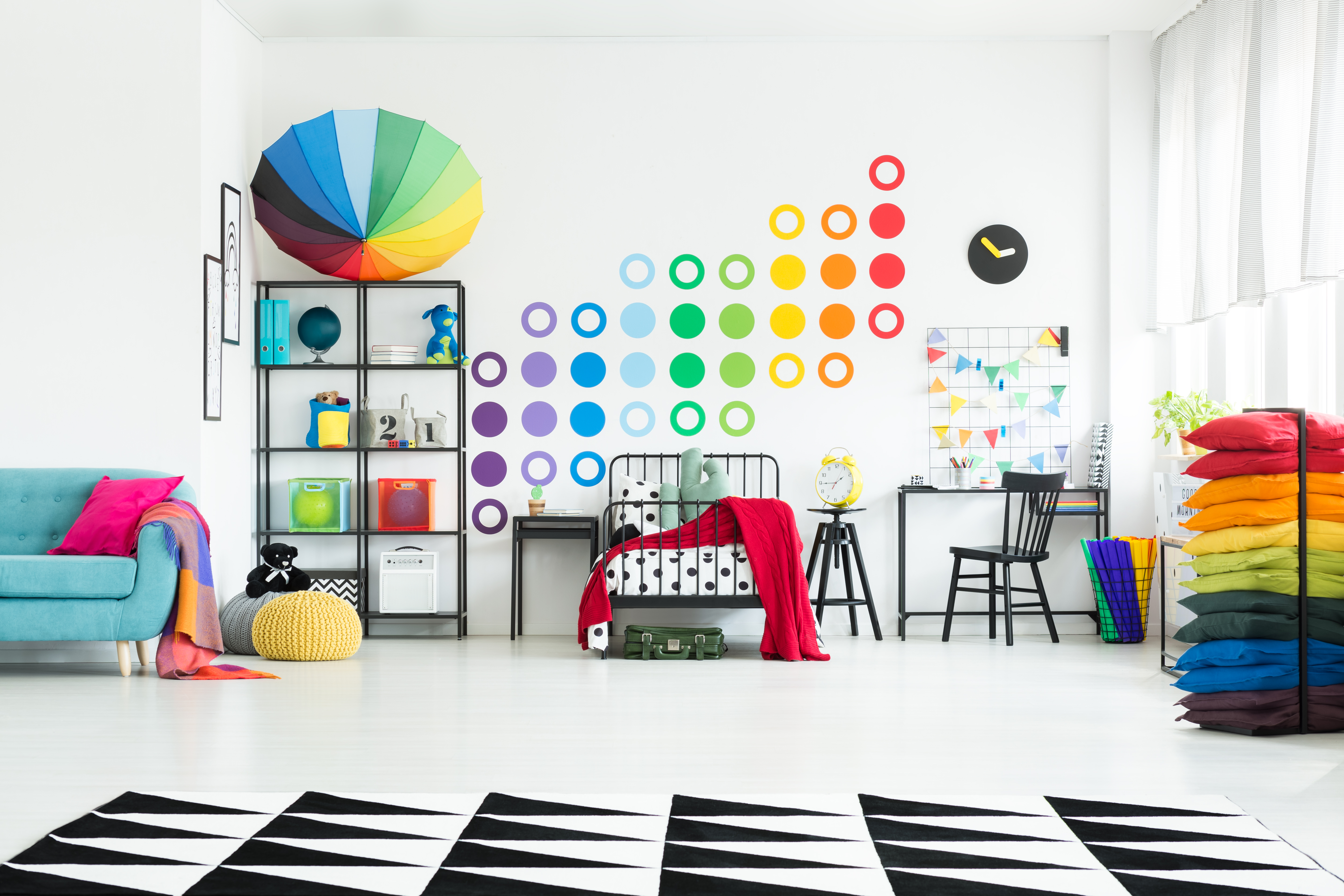
Creating mask-free zones at home offers your autistic child a sanctuary where they can truly be themselves. This space is crucial for their emotional health and sense of authenticity.
Understanding the Masking Phenomenon
Have you ever noticed your child acting differently in public compared to at home? That’s masking. Children often hide their true selves to fit in, but it can be exhausting. Studies show that 80% of autistic children mask their behaviors at some point. Imagine carrying that weight daily. Your home can be a place where they don’t have to pretend.
Masking can seem like a survival skill, but it comes at a cost. When a child feels they must hide who they are, their stress levels rise. Over time, this can impact their mental health. Creating a space where they don’t have to mask can reduce this stress significantly, allowing them to recharge.
The longer your child spends masking, the more they might struggle with understanding their own identity. At home, however, they can explore who they really are. This exploration is vital for building self-confidence and a strong sense of self. It helps them feel more secure in their own skin.
Emotional Wellbeing of Autistic Children
The emotional wellbeing of your child is like a garden that needs care and attention. Mask-free zones provide fertile ground for this. When your child feels safe to express themselves, they can experience genuine joy and relaxation.
Imagine a place where your child knows they are accepted, quirks and all. At home, you can create this environment. These safe havens promote emotional security, allowing your child to thrive. They won’t have to worry about “acting normal” and can instead focus on being happy.
Building these zones at home is more than just providing physical comfort. It’s about showing your child unconditional love and acceptance. In such an environment, they learn to manage emotions better, leading to improved relationships with family and friends.
Practical Steps for Creating Sanctuary
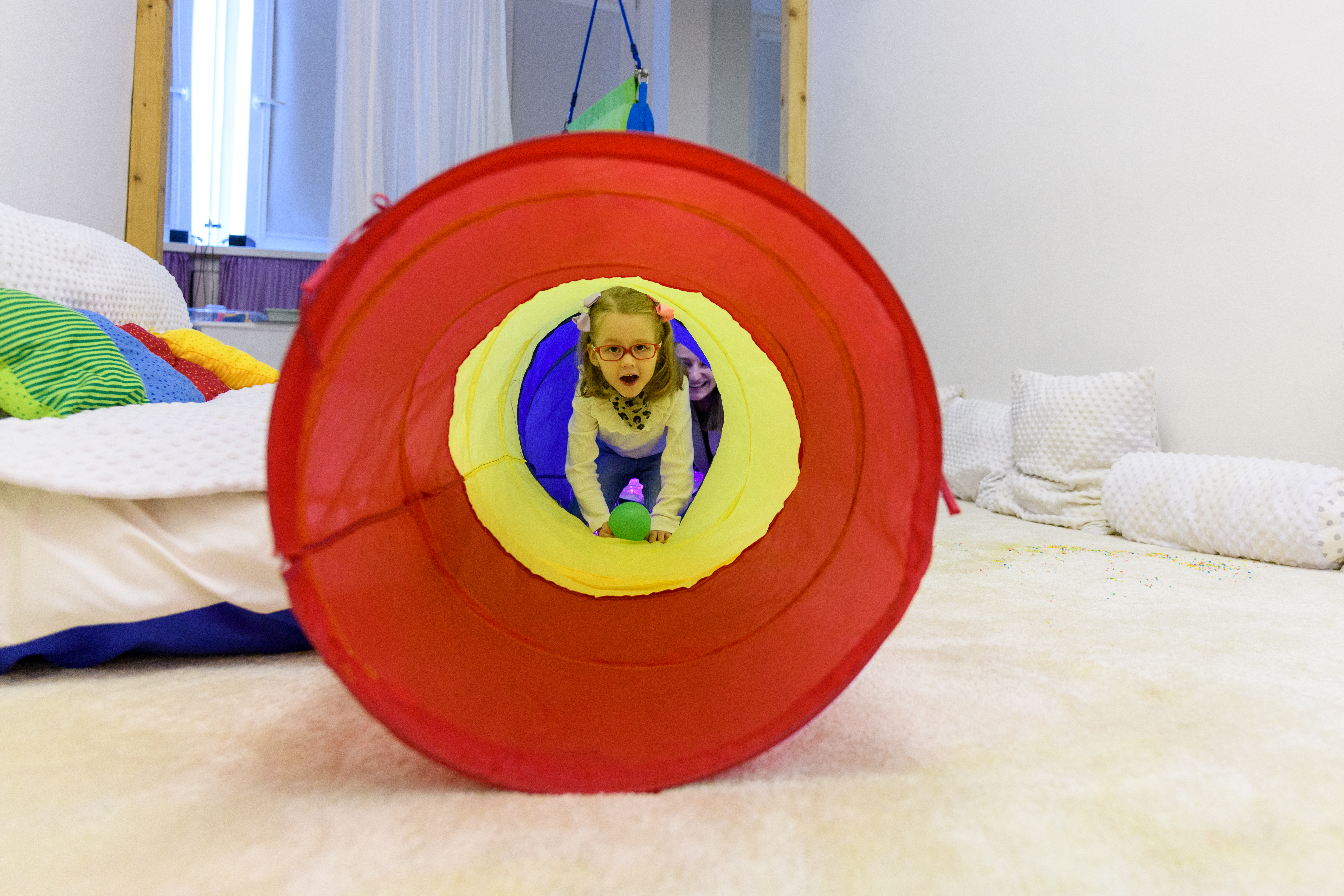
Transforming your home into a sanctuary involves thoughtful changes and strategies. Let’s explore practical steps that offer immediate benefits.
Designing a Safe Home Environment
Designing your home for comfort can start with simple adjustments. Think about the lighting, sounds, and textures that your child finds soothing. Maybe they prefer softer lights or quiet spaces. Tailor their room or play area to meet these needs.
-
Create a Calming Space: Set up a corner with soft cushions, blankets, or their favorite toys. This can serve as a retreat when they feel overwhelmed.
-
Adjust Sensory Inputs: If your child is sensitive to sound, consider noise-canceling curtains or soft music. For light sensitivity, adjustable lighting can help.
These changes create an environment where your child feels secure. They’re small steps, but they can make a significant difference in your child’s comfort and willingness to unwind.
Parenting Strategies for Autism Support
Your approach as a parent plays a pivotal role. Start by observing what makes your child most comfortable or anxious. Use these insights to create a routine that supports their needs.
-
Encourage Breaks: Allow your child time to decompress after social activities. This helps them process experiences at their own pace.
-
Incorporate Interests: Use your child’s interests as a bridge to connect with them. Whether it’s dinosaurs or trains, integrating these into daily life can make communication easier.
Your role is about being a guide, not just a parent. By tuning into what your child truly needs, you create an atmosphere where they feel understood and valued.
Encouraging Authentic Self-Expression
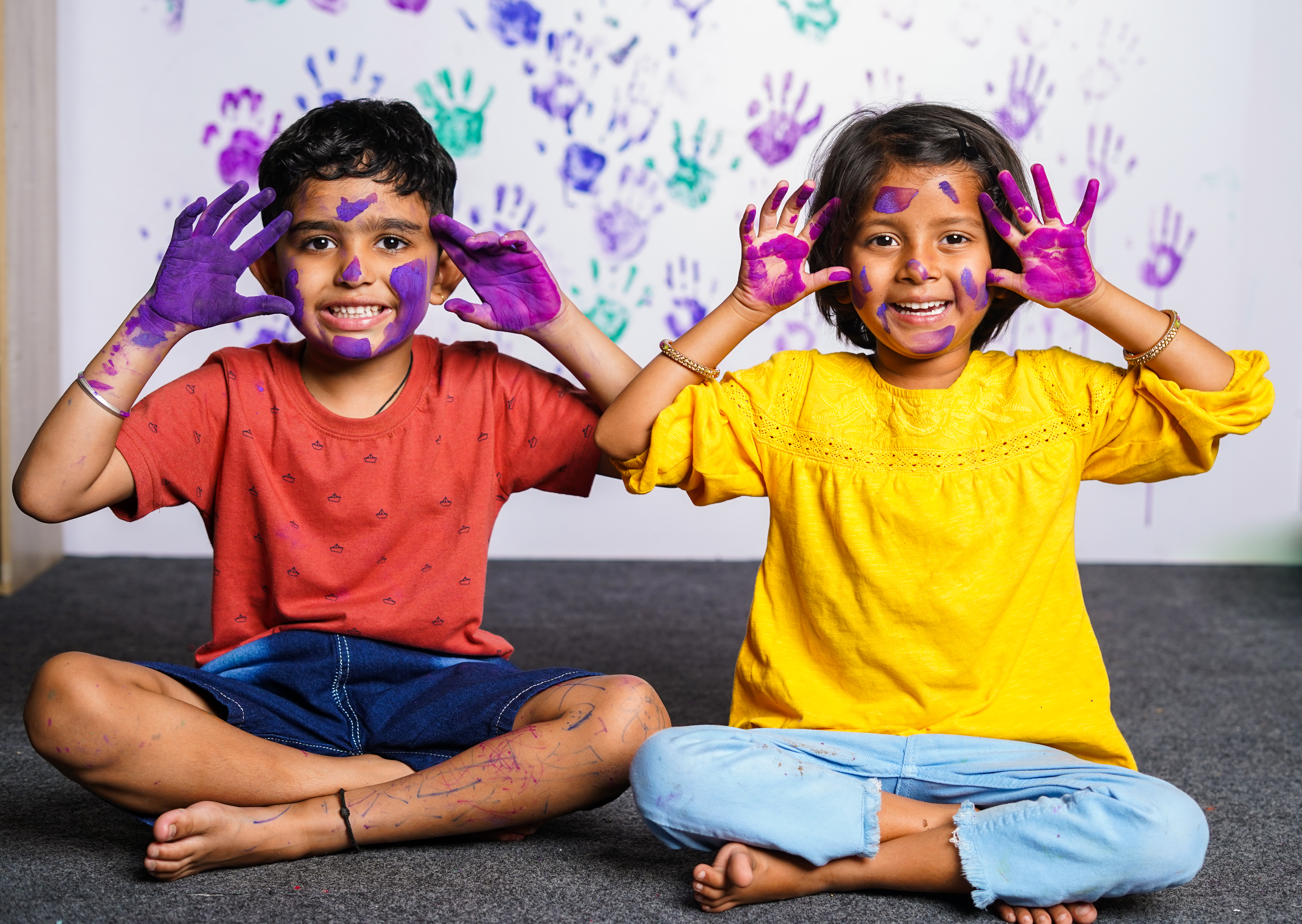
Allowing your child to express themselves freely is essential for their growth. Here’s how you can encourage authenticity at home.
Fostering Open Communication
Open communication begins with listening. Encourage your child to share their thoughts and feelings without fear of judgment. Ask open-ended questions like, “What was your favorite part of today?” to get them talking.
Being open about your own feelings helps too. Share your day-to-day experiences, including challenges. This builds trust and shows your child that everyone faces difficulties, and it’s okay to talk about them.
Creating an environment where your child feels heard will strengthen your bond. It sends a clear message: their thoughts and feelings matter. This boosts their confidence and emotional intelligence.
Building a Supportive Community 💬
Beyond the home, building a community is vital. Connect with other parents, educators, and therapists who understand and support your journey. This network can offer fresh perspectives and practical advice.
-
Join Local Groups: Look for local support groups for families with autistic children. Sharing experiences with others can be incredibly reassuring.
-
Engage with Schools: Work closely with your child’s school to ensure they have the support they need. Advocate for mask-free zones at school too.
The community you build acts as a safety net. It’s a place where your child, and you, can find acceptance and understanding. This collective support empowers you and your child to face challenges together with resilience.
Remember, creating a mask-free zone is not just about making physical changes; it’s about nurturing a space where your child feels truly at home, both physically and emotionally. With these strategies, you’re not only supporting their present wellbeing but also paving the way for a future where they can confidently be themselves.
Check out our books and FREE Resources