



Finding Calm in Chaos: A Parent’s Guide to Navigating Autism Meltdowns
Meltdowns don’t come with a manual, and some days it feels like chaos is the only constant. I’ve been there—watching my autistic child struggle with overwhelming emotions and sensory overload, feeling helpless and unsure where to turn next. That’s why Autism: Calming the Chaos became a lifeline for us—a gentle guide full of calming strategies that helped my child learn emotional regulation in moments that once felt impossible. Let me share how this book can bring you the same hope and practical tools.
Understanding Autism Meltdowns
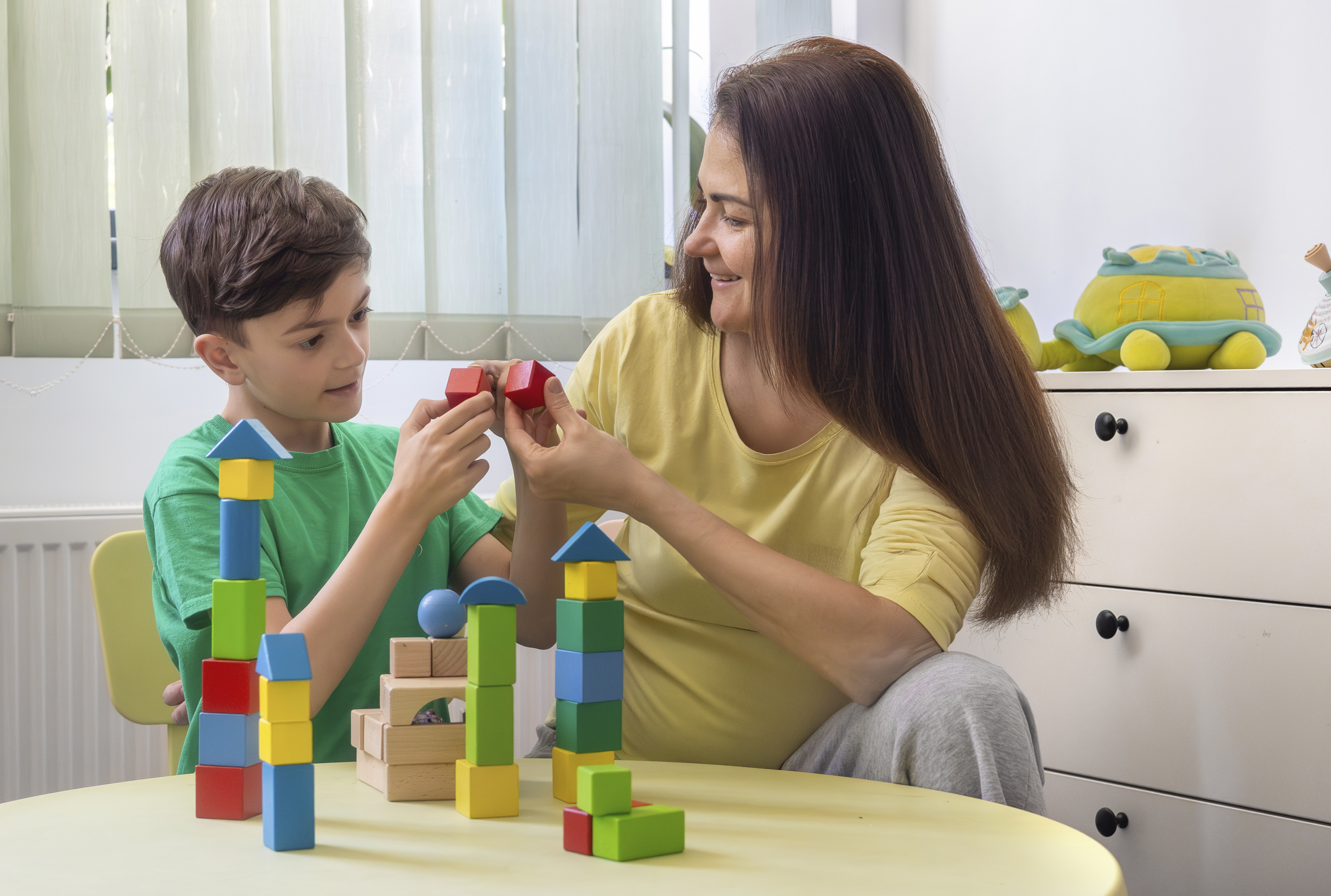
Navigating the world of autism meltdowns can feel overwhelming, but understanding them is the first step to managing them.
Recognizing Triggers and Signs
Have you ever noticed your child getting upset over what seems like small things? Often, meltdowns are not about the immediate situation but a build-up of stress. Think about the last time your child had a meltdown. Was it after a long day at school or a change in routine? These are common triggers. It’s like a cup filling up with water until it overflows. Recognizing these early signs—like pacing, hand-flapping, or sudden quietness—can help you intervene before the “overflow.”
Many parents think a meltdown happens without warning, but by becoming a detective in your child’s life, you can identify patterns. For example, does your child become irritable after too much noise or when their routine changes? Keeping a log of these moments can be a game-changer. Write down what happened before, during, and after each meltdown. It may reveal triggers you hadn’t considered.
Navigating Sensory Overload
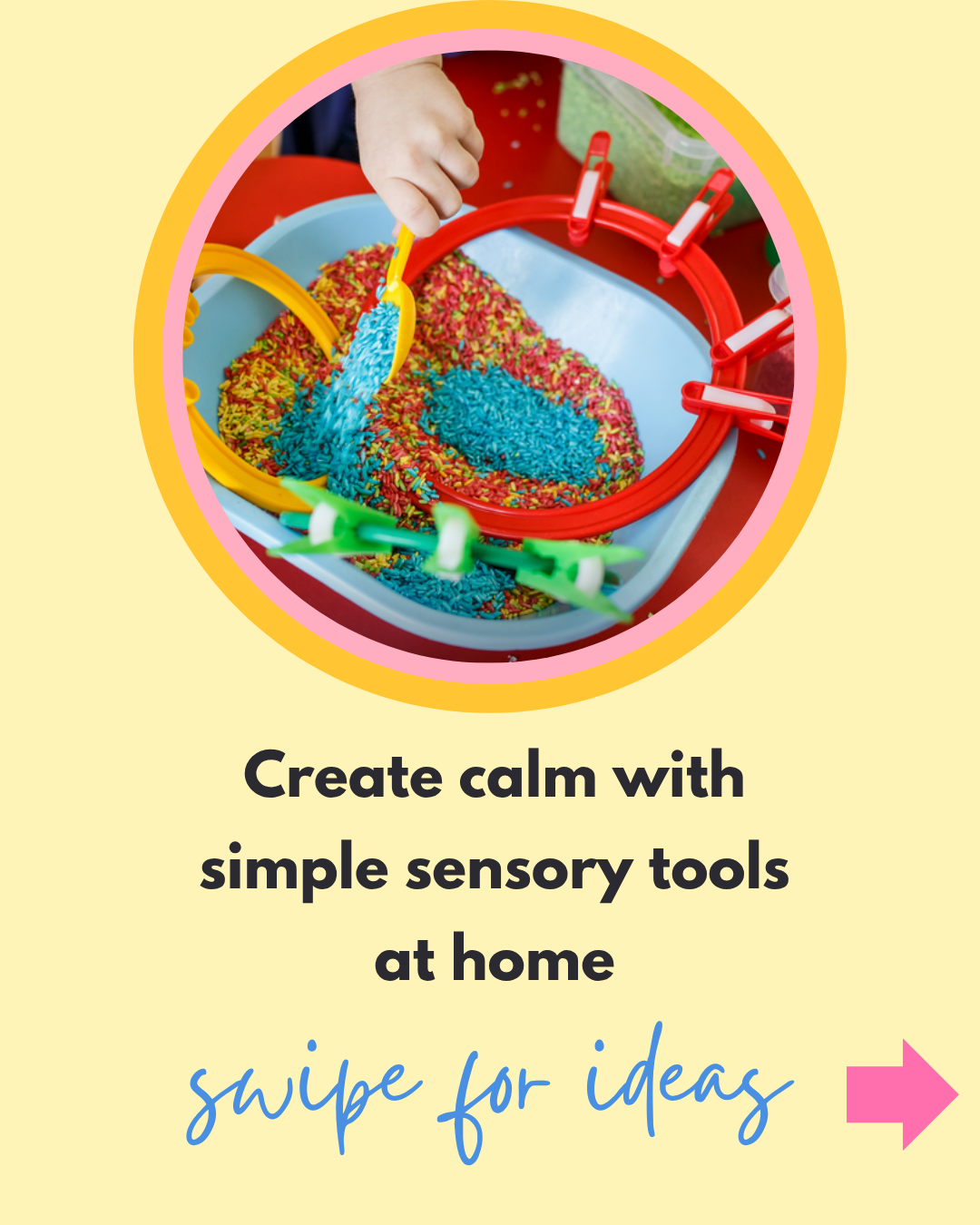
Imagine being at a concert where every sound, light, and movement is magnified. For many autistic children, everyday environments can feel like this. Sensory overload occurs when too much information from the world around them becomes overwhelming. Have you ever tried wearing sunglasses in a bright room? This is similar to how sensory tools can help manage overload.
One approach is to create a sensory-friendly environment. This might mean dimming the lights or reducing noise. Have a “calm corner” at home with items like noise-canceling headphones or weighted blankets. These tools can become your child’s best friends, helping them find calm amid chaos. Remember, each child is different. Some might need quiet, while others benefit from a gentle hum of music. Finding what works can take time, but it’s a crucial step in supporting your child.
Emotional Regulation Strategies
Once you understand the triggers and sensory challenges, the next step is building emotional regulation skills. This not only helps your child but can also create a more peaceful environment at home.
Building Self-Regulation Skills
Picture a toolbox filled with all sorts of gadgets. That’s what self-regulation skills are for your child. They are tools to help manage emotions. Start by introducing simple breathing exercises. For instance, take a deep breath in for four counts, hold, then exhale for another four counts. This can help your child regain control when feelings become overwhelming.
Storytelling can also be a powerful tool. Share stories of characters facing similar challenges and the strategies they use. This not only makes the concept relatable but also gives your child a sense of belonging. You can even create social stories that illustrate specific scenarios your child struggles with, like going to a crowded place or starting a new routine. By practicing these stories, your child can feel more prepared and less anxious.
Calming Strategies for Parents
Being a parent during a meltdown is tough. It’s vital to have your own calming strategies. Have you ever tried taking a break to gather your thoughts? Sometimes stepping out for a moment can provide the clarity needed to help your child. Deep breathing isn’t just for kids—it can be your go-to tool too.
Consider joining a support group. Connecting with other parents who understand your journey can be incredibly validating. Sharing experiences and strategies can offer new perspectives and solutions you might not have considered. Remember, you’re not alone, and seeking support is a sign of strength, not weakness.
The Role of ‘Autism: Calming the Chaos’

Books can be more than just stories—they can be guides and companions in your parenting journey.
How the Book Supports Parenting
Autism: Calming the Chaos is a treasure chest of strategies. This book offers practical advice, not just for children but for parents too. Think of it as having a coach in your corner, offering insights and encouragement. It’s filled with relatable scenarios and step-by-step strategies that help both you and your child navigate challenging moments.
The book doesn’t just tell you what to do; it shows you how to do it through real-life examples. Whether it’s managing a meltdown in a public place or finding calming techniques, the book provides clear, actionable advice. You’ll find it easier to anticipate and manage situations that once felt daunting. Plus, the illustrations and stories make it engaging for your child, turning learning into an enjoyable activity.
Exploring the Free Toolkit 📚
Did you know there’s a free toolkit that comes with the book? It’s like an extension of the book, offering hands-on activities and printable resources. This toolkit includes visual aids that can help your child understand and express their emotions. Imagine having a set of flashcards that teach emotions or calming techniques—tools you can use daily to reinforce emotional learning.
This toolkit is a valuable resource for both parents and educators. It provides practical strategies that can be integrated into daily routines or classroom settings. For parents, it’s a way to continue the learning and support at home. For educators, it’s a tool to help create an inclusive environment that meets the needs of autistic students. By using these resources, you’ll be able to support your child’s journey towards self-regulation and emotional understanding, fostering a sense of calm and confidence.
Remember, the journey through autism meltdowns is not one you have to travel alone. With understanding, patience, and the right tools, you and your child can find peace amid the chaos.
Check out our books and FREE Resources